For Homes
We find leaks in houses, condos, and apartments. We work around your schedule and keep the mess contained.
- High water bill
- Warm floor spot
- Running water sound
Water Leak Detection in mission viejo is how you stop a hidden leak before it wrecks your foundation, floors, or water bill. We use acoustic listening gear, thermal imaging cameras, and pressure testing kits to pinpoint slab leaks, pool leaks, and underground pipe leaks without tearing your home apart. If your water bill spiked or you hear water running when everything is off, call us. We find it, fix it, and prove the repair held.
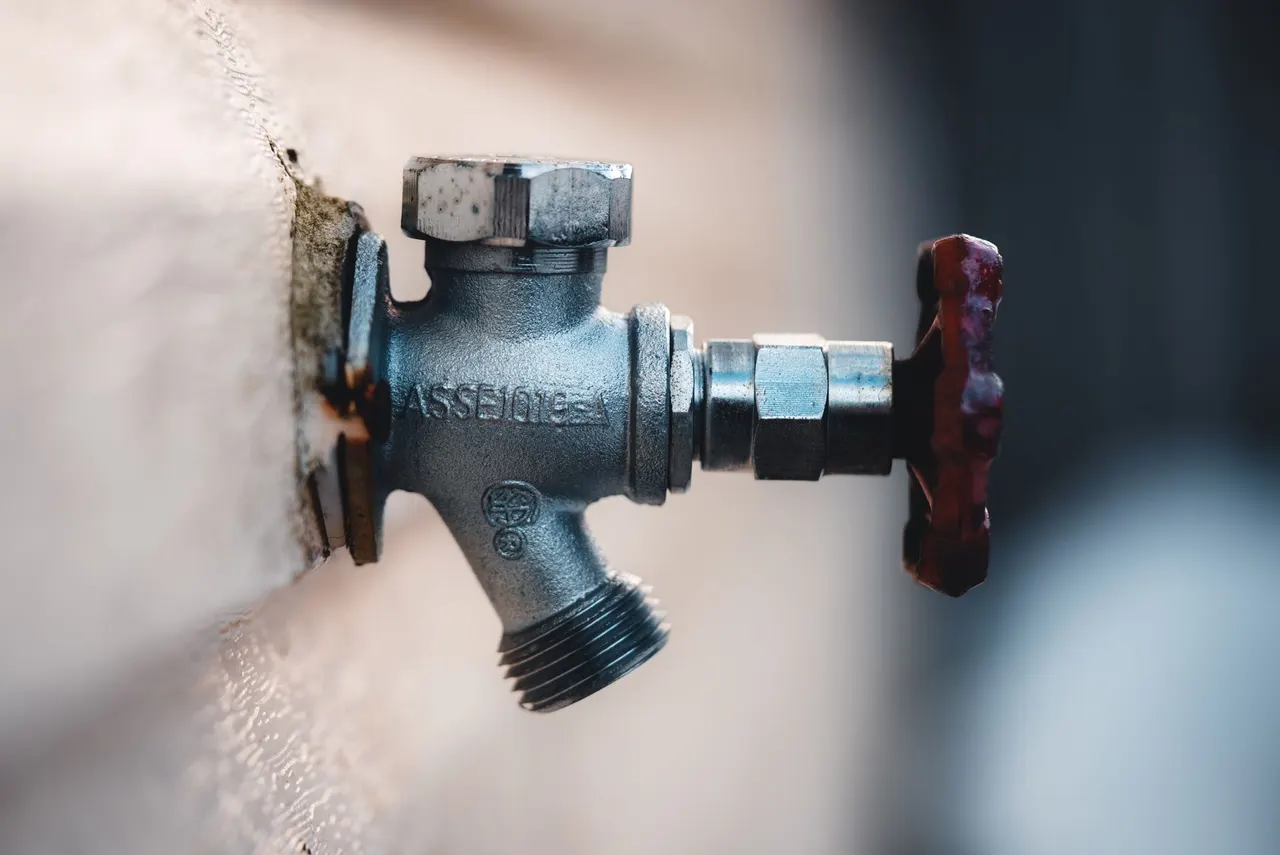 Pressure testAcoustic scanThermal imaging
Every detection visit includes the core steps to find and mark the leak. If you hire us for the repair, we credit the detection fee toward the work. Here is what you get.
We shut off every fixture and pressurize the plumbing with a pressure testing kit. If the gauge drops, we know the leak is on the supply side. If it holds, we switch to the drain side and run a video pipe inspection camera. This step takes 20 to 30 minutes.
We use acoustic leak detection equipment to listen for the hiss of pressurized water escaping a pipe. The microphone amplifies the sound so we can hear it through concrete and drywall. We mark each hit with tape and confirm with a moisture meter.
A thermal imaging camera shows temperature differences behind walls and under slabs. Hot water leaks show up as warm spots. Cold water leaks show up as cool spots. We scan the whole house and mark any anomalies before we leave.
You get a written summary of what we found, the method used, and the exact location of the leak. We mark the spot with tape so you can see it. If you need documentation for insurance, we can email a PDF with photos.
If the leak is accessible, we repair it the same visit. If it is under a slab or behind a wall, we give you a written price for the repair before we start cutting. You approve the work before we proceed. No surprises.
The approach is the same for a home and a business. What changes is the access, the schedule and who needs the paperwork.
We find leaks in houses, condos, and apartments. We work around your schedule and keep the mess contained.
We work with property managers, landlords, and business owners. We document everything for your records.
A plain-language look at what Water Leak Detection involves and when it is needed.
See how it worksWater Leak Detection in mission viejo is the process of using acoustic listening equipment, thermal imaging cameras, and pressure testing kits to locate water escaping from copper pipes, PEX piping, or PVC pipes before you start breaking concrete or cutting drywall. We pressurize the system, listen for the hiss of escaping water, and scan walls and slabs for temperature differences. Once we mark the leak, we confirm it with a moisture meter and a video pipe inspection camera if the line is accessible. You get a marked spot, a written finding, and a repair plan.
Mission Viejo homes sit on expansive clay soils and many were built between the 1960s and 1990s with copper pipes that are now pinhole-leaking underground. Slab leaks, pool leaks, and irrigation system leaks are the three calls we run most in 92691 and 92692. If you need water leak detection near me mission viejo CA, we can often be on site the same day. We also handle emergency water leak detection mission viejo CA calls when a water heater lets go or a wall starts weeping.
We find the leak, mark it, and prove the repair held.
Every job follows the same five steps. You will know what we are doing, why we are doing it, and what it costs before we start swinging tools.
You call and describe what you are seeing: high bill, wet spot, sound of running water, warm floor. We ask three or four questions to narrow the likely source. If it sounds like a slab leak or a water heater leak, we prioritize the call. You get a two-hour arrival window.

We shut off all fixtures and pressurize the plumbing system with a pressure testing kit. If the gauge drops, we know there is a leak on the supply side. If it holds, the problem is on the drain side and we switch to a video pipe inspection camera. This step takes 20 to 30 minutes.
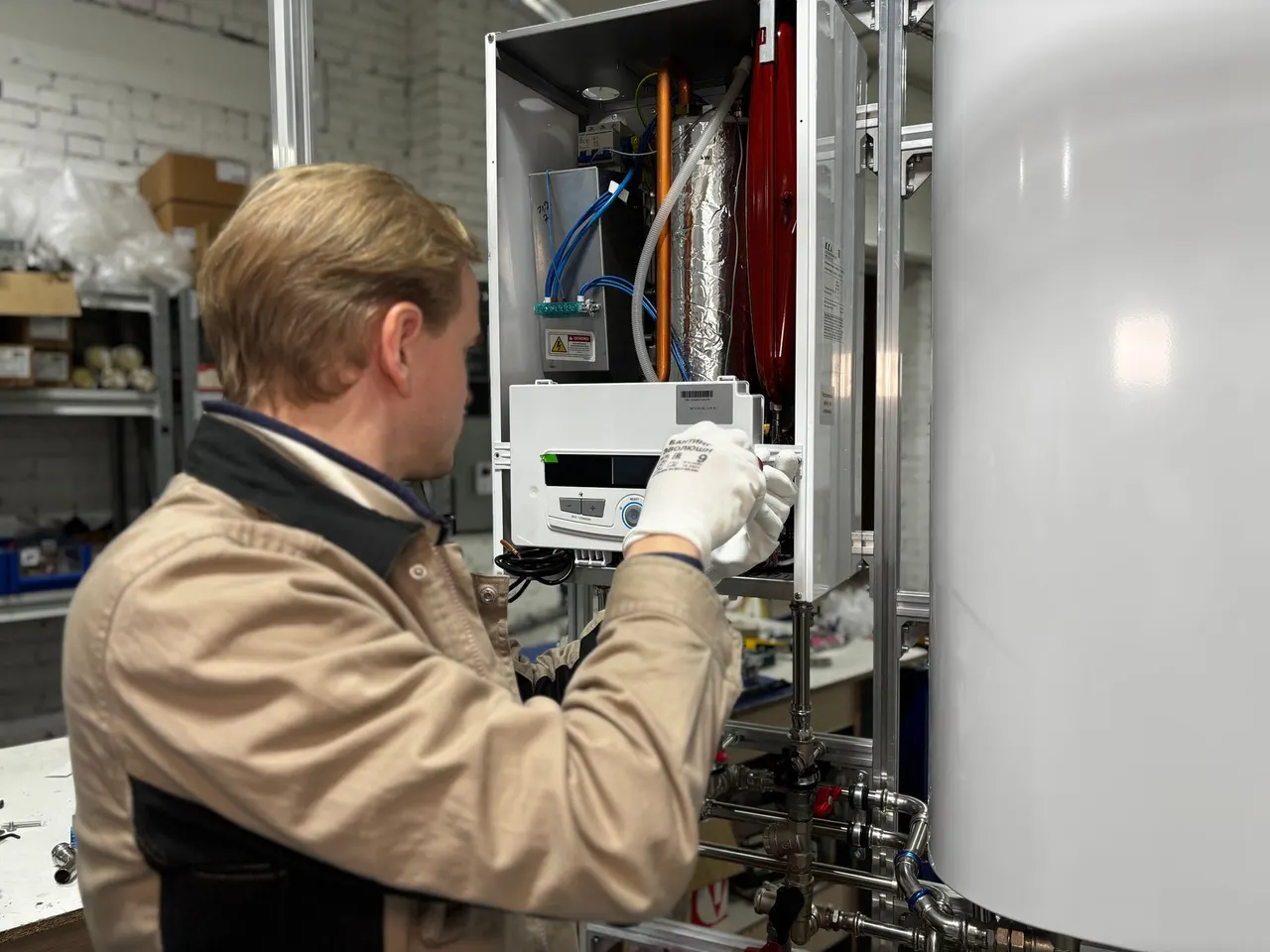
We walk the house with an acoustic leak detection equipment set and a thermal imaging camera. The microphone picks up the hiss of pressurized water escaping a pipe. The camera shows temperature differences where hot water is leaking under a slab. We mark each hit with tape.
We confirm the leak with a moisture meter and, if the line is accessible, run a pipe locator to trace the exact run. For underground pipe leaks, we use a tracer gas leak detector to confirm the path. You get a marked spot within 6 to 12 inches of the actual leak.
We repair the line with copper pipes, PEX piping, or a pipe repair clamp depending on what is there. After the fix, we re-pressurize and watch the gauge for 30 minutes. If it holds, we clean up and give you a written summary of what we found and what we did.
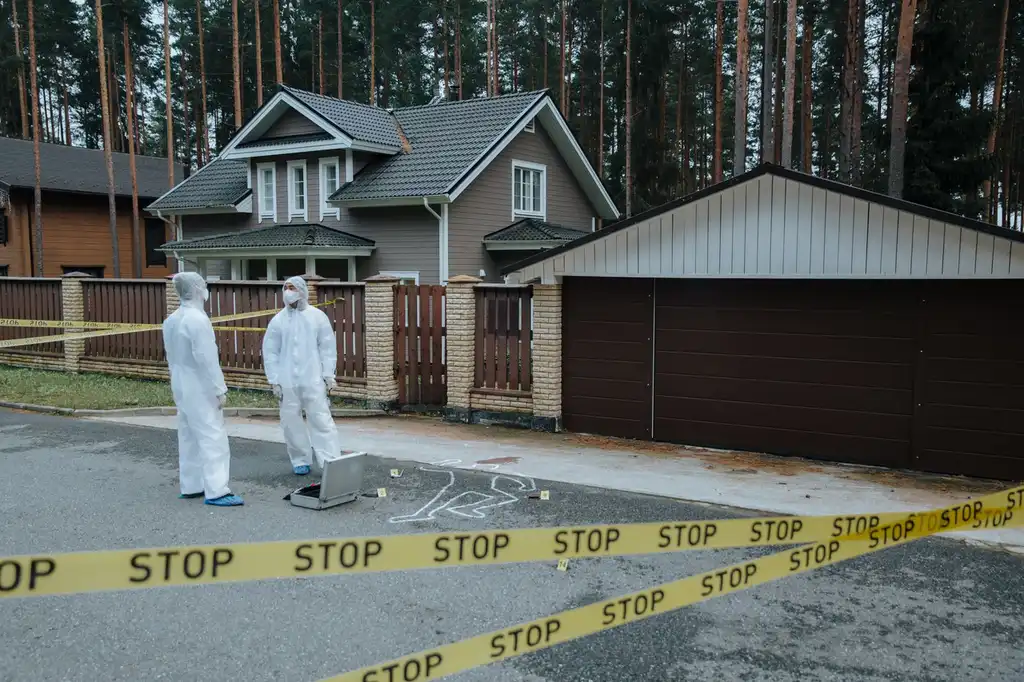
Move across a circle, or focus it and press Enter, for an illustrative thermal view of the photograph.
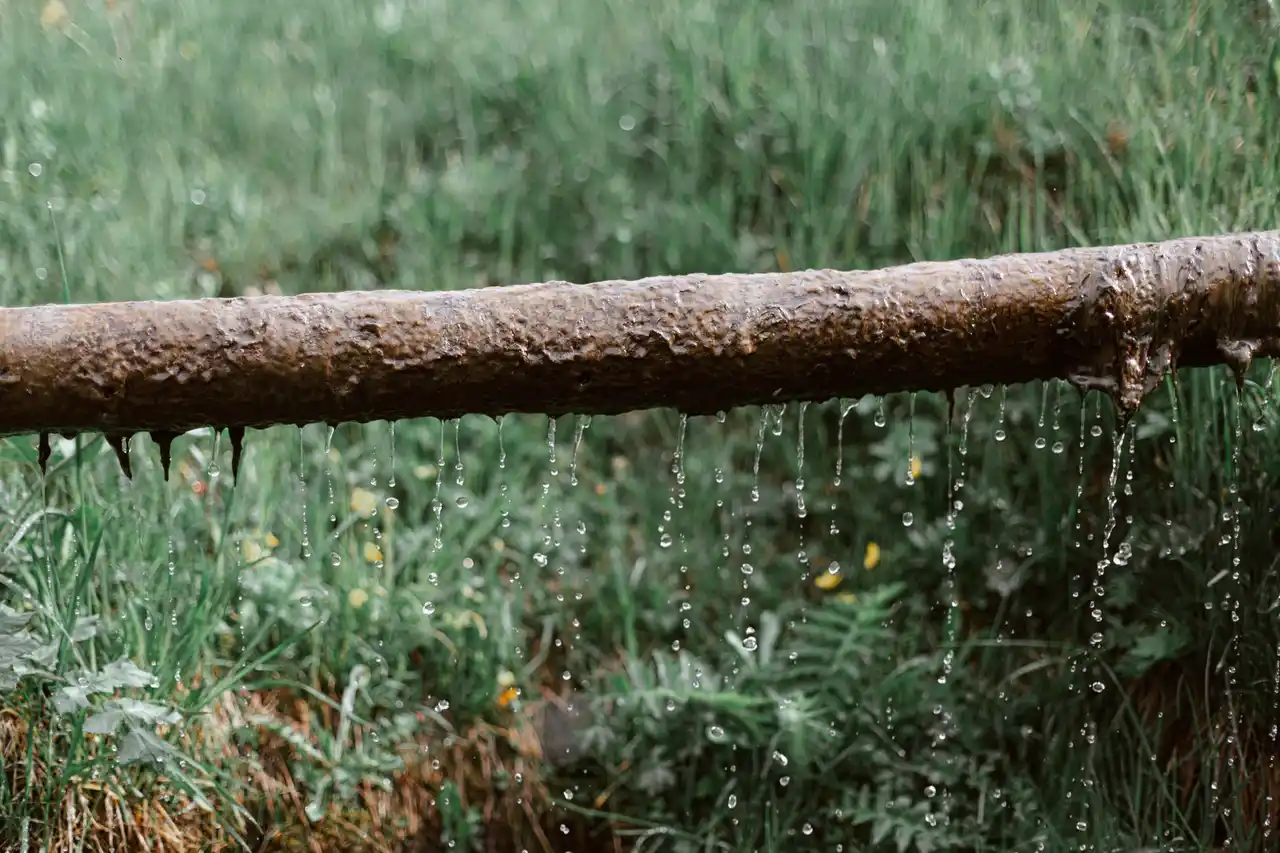
Amplifies the sound of pressurized water escaping a pipe so we can hear it through concrete and drywall. We use RIDGID and Sewerin units.
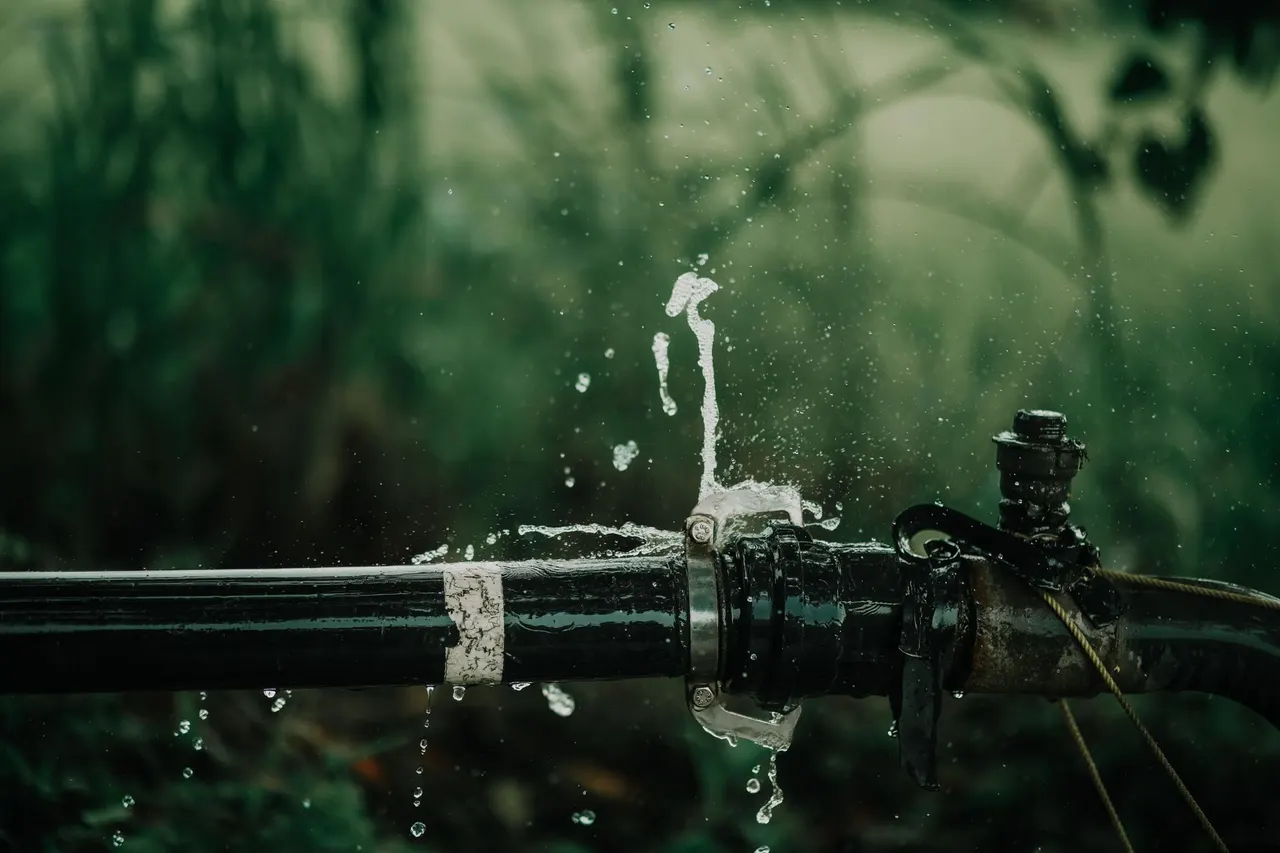
Shows temperature differences behind walls and under slabs. Hot water leaks show as warm spots. Cold leaks show as cool spots. We use Fluke cameras.

Pressurizes the plumbing system to confirm a leak on the supply side. If the gauge drops, we know there is a leak. If it holds, we check the drain side.
Runs through drain lines to find cracks, root intrusion, and offset joints. We use General Pipe Cleaners cameras with a locator.
Introduces a safe gas into the line and detects where it escapes. We use Inficon units for underground pipe leaks and hard-to-find slab leaks.
Thermal views are illustrative, generated from the photographs.
Picks up high-frequency sounds from gas and air leaks. We use UEi units for gas leak detection and compressed air line leaks.
Confirms the presence of moisture in drywall, wood, and concrete. We use it to verify the leak location after the acoustic and thermal scan.
We shut off every fixture and pressurize the system with a pressure testing kit. If the gauge drops, the leak is on the supply side. If it holds, we switch to the drain side and run a video pipe inspection camera. This method narrows the search before we start listening.
We walk the house with acoustic leak detection equipment and listen for the hiss of pressurized water escaping a pipe. The microphone amplifies the sound so we can hear it through concrete and drywall. We mark each hit with tape and confirm with a moisture meter.
A thermal imaging camera shows temperature differences behind walls and under slabs. Hot water leaks show up as warm spots. Cold water leaks show up as cool spots. We scan the whole house and mark any anomalies before we leave.
For underground pipe leaks and hard-to-find slab leaks, we introduce a safe tracer gas into the line and use a detector to find where it escapes. This method works when acoustic listening is not enough because the leak is deep or the line is noisy.
You get a letter from the water district saying you used 30,000 gallons last month.
We pressure-test the system and isolate the leak. If it is on the supply side, we use acoustic equipment to listen for the hiss. If it is on the drain side, we run a video pipe inspection camera. We mark the leak and give you a repair plan.
Outcome: You get the leak stopped and your bill back to normal. Most customers see the correction within one billing cycle.
You hear water running at 2 a.m. when every fixture is off.
We come out the same day. We shut off the main and pressurize the system. If the gauge drops, we know it is a supply leak. We walk the house with acoustic gear and a thermal camera to find it. We mark the spot and repair it if accessible.
Outcome: You get the sound stopped and the leak fixed. No more guessing where the water is going.
Your pool is losing two inches a week and the deck feels spongy.
We pressure-test the pool plumbing and check the skimmer and light niches with leak detection dye. If the leak is underground, we trace it with a pipe locator and mark the dig spot. We repair the line with PVC pipes and fittings.
Outcome: You get the pool holding water again and the deck stabilized. No more adding water every week.
You see a water stain on the ceiling below the bathroom.
We check the shower pan, toilet, and sink with a moisture meter. If the leak is in the supply line behind the wall, we use acoustic equipment to find it without opening the whole wall. We mark the spot and repair the line.
Outcome: You get the leak stopped and the ceiling dried out. No more stain spreading.
Your water heater is leaking and you need it fixed before a holiday.
We inspect the tank, fittings, and T&P valve. If the tank is leaking, we replace it. If it is a fitting, we repair it with copper or PEX piping. We test the line before we leave.
Outcome: You get hot water back and no more puddle on the floor. We clean up and haul away the old unit.
Mission Viejo sits on expansive clay soil that swells when it gets wet and shrinks when it dries. That movement stresses underground pipes and causes leaks at fittings and joints. Most homes here were built between the 1960s and 1990s with copper pipes that are now pinhole-leaking. We also see polybutylene piping in some tracts, which is prone to failure. The climate is mild, but the soil is the problem.
We run water leak detection in mission viejo, California with that in mind. We know which tracts have slab-on-grade foundations and which have raised foundations. We know where the water main enters most homes. If you need water leak detection near me mission viejo CA, we can often be on site the same day.
Before: We pressure-tested the system and confirmed a hot water slab leak. We used thermal imaging to mark the spot within 8 inches.
After: We cut one 18-inch access hole, repaired the copper pipe with a new section and solder, and re-pressurized the system. The gauge held for 30 minutes. The homeowner saw the water bill return to normal the next cycle.
We recommend checking the water bill monthly and listening for running water when the house is quiet. If you hear it, call us before the leak grows.
Before: A homeowner in Lake Mission Viejo saw a soggy spot in the front yard and a water bill that doubled. We isolated the main line with a pressure testing kit and used acoustic equipment to listen for the leak. We marked the spot within 10 inches.
After: We dug one 2-foot by 2-foot hole, repaired the PVC pipe with a new section and pipe repair clamps, and re-pressurized the line. The gauge held. The homeowner saw the water bill drop back to normal within one billing cycle.
We recommend walking the yard monthly and looking for soggy spots or unusually green grass. Both can indicate an underground leak.
Before: A homeowner in Vista del Lago was adding two inches of water to the pool every week. We pressure-tested the pool plumbing and found a leak in the skimmer line. We used leak detection dye to confirm the crack.
After: We repaired the skimmer line with PVC pipes and fittings and re-tested the system. The pool held water. The homeowner stopped adding water every week and the deck stabilized.
We recommend checking the pool water level weekly. If you are adding more than one inch a week, call us for a leak test.
A hidden leak does not fix itself. It gets worse, costs more, and damages more. Here are the problems we solve every week in Mission Viejo.
A marked leak and a repair plan you can trust.
A slab leak the size of a pencil tip can waste 10,000 gallons a month. We isolate the leak, mark it, and give you a repair plan the same visit. Most customers see their bill drop back to normal within one billing cycle after the fix.
We pinpoint leaks within 6 to 12 inches before anyone touches a saw. That means one small access cut instead of tearing out an entire hallway floor. Thermal imaging and acoustic listening keep the damage contained.
Mission Viejo sits on clay soil that swells when it gets wet. A slow underground pipe leak can shift a foundation within months. Finding it early saves you from cracks in drywall, sticking doors, and four-figure foundation work.
We schedule same-day water leak detection mission viejo appointments whenever the board allows. You get a technician who explains what he hears, what he sees on the camera, and what it will take to fix it. No waiting three days for a callback.
Clear records you can keep and share.
Leak location and method used
Images of the marked spot
What we recommend and why
Gauge readings before and after
The first thing we determine is whether the leak is on the supply side or the drain side.
Water is under pressure and leaks constantly.
Water leaks only when the fixture is used.
A supply or drain line leaking under concrete.
A list like this tells people straight away whether you cover their street. Not listed? Call and ask: it only takes a minute.
Based in mission viejo and covering the places around it. Pick one for local details.
That covers the pressure test, acoustic scan, thermal imaging, and a marked location. We give you the price before we start. If you hire us for the repair, we credit the detection fee toward the work.
Other clues include a musty smell under cabinets, cracks in drywall, or a pool that loses more than two inches a week. If you see any of these, shut off the main and call us.
Yes. We locate more than 90 percent of leaks without opening a wall or breaking a slab. Acoustic leak detection equipment picks up the sound of pressurized water escaping a pipe. A thermal imaging camera shows temperature differences behind drywall and under concrete. We only cut after we have marked the spot within 6 to 12 inches.
The most common causes we see are pinhole leaks in copper pipes from decades of hard water, shifting clay soil that stresses underground lines, and failed solder joints at fittings. Pool leaks often come from cracked skimmer lines or worn light niches. Irrigation system leaks are usually broken risers or root intrusion. We check all of these on a standard detection visit.
Other services from the same team.
If your water bill spiked or you hear water running when everything is off, call us. We carry acoustic listening gear, thermal cameras, and pressure testing kits on every truck. Same-day appointments are available. We find the leak, mark it, and give you a repair plan before we leave.
Call us at +1 (555) 123-4567 or email [email protected]. Our office is in Mission Viejo, California, and we serve all of Orange County. If you need leak detection near me mission viejo CA, we're ready to help.