For homes
Your pool losing water overnight is not evaporation. We test the shell and lines separately and tell you which one failed.
- Pool drops an inch a day
- Wet spot in the yard
- Pump loses prime each morning
Pool Leak Detection in mission viejo starts with a full pressure test of your pool plumbing, shell, and equipment pad. We serve homeowners and property managers across Orange County who are tired of topping off the pool every other day. One visit tells you where the water is going and what it takes to stop it.
 Pressure-test every lineMark the dig pointRetest before we leave
Every pool leak detection visit includes the full diagnostic sequence, not just a visual walk-around. We test the shell, the plumbing, and the equipment pad so you get one answer, not three guesses. Repair is quoted separately once we know what failed.
We set a bucket on the second step and mark both water levels. A 24-hour reading tells us if you have a real leak or just normal summer evaporation, which saves you the cost of a full diagnostic when the pool is fine.
Returns, suction, skimmer, and main drain all get plugged and pressurized separately. A pressure drop on one line isolates the leak. We record the starting and ending PSI so you see the numbers.
We walk the deck with an ultrasonic leak detector and a thermal imaging camera to pinpoint the leak location within a few inches. The dig point gets marked on the deck before we pick up a shovel.
Pump seals, heater fittings, filter unions, and valve stems all get checked for drips. A surprising number of pool leaks are at the equipment pad, not underground, and those are the cheapest to fix.
You get a written report showing the test readings, the leak location, photos of the problem area, and a repair quote if you want us to fix it. The report is yours to keep even if you use another contractor.
If the leak is accessible, we repair it the same day with pipe repair clamps, epoxy sealant, PEX piping, or copper fittings. We pressure-test the repair before we leave so you see it hold.
The approach is the same for a home and a business. What changes is the access, the schedule and who needs the paperwork.
Your pool losing water overnight is not evaporation. We test the shell and lines separately and tell you which one failed.
Rental pools and HOA pools need fast answers and written records. We test, repair, and document the same visit.
A plain-language look at what Pool Leak Detection involves and when it is needed.
See how it worksPool Leak Detection in mission viejo is a diagnostic service that pinpoints where a swimming pool is losing water, using pressure testing, acoustic listening gear, and thermal imaging to separate a real plumbing leak from normal evaporation. We test the return lines, suction lines, skimmer, light niche, and shell separately so you know exactly which component failed. Most pools lose a quarter inch a day to evaporation in summer; anything past that gets our attention.
Mission Viejo sits at 500 to 800 feet of elevation with hard, expansive clay soil that shifts with our wet winters and dry summers. That movement cracks pool shells and shears underground return lines, especially in older neighborhoods where copper pipes have been in the ground for decades. If your pool is losing water overnight mission viejo, that is rarely evaporation. It is a leak, and it usually gets worse.
A pool leak gets worse with time, not better. Find it early and the repair stays small.
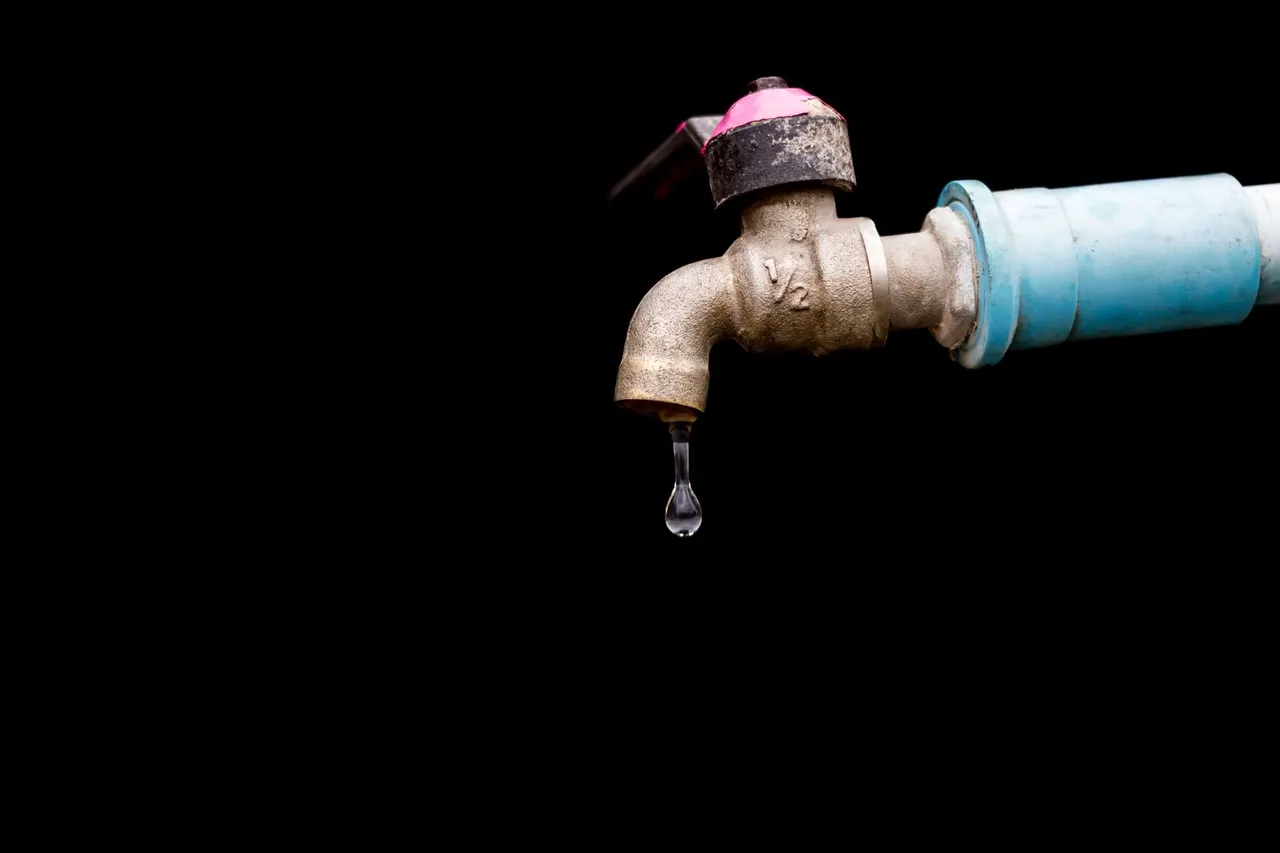
Every job follows the same five steps, whether it is a simple skimmer crack or an underground return line that has been leaking for a year.
We ask how much water you are losing per day, whether the pump loses prime, and if the deck or yard stays wet. That five-minute call tells us whether to bring the pressure rig or start with the shell and fittings. You get a two-hour arrival window, not a full-day promise.
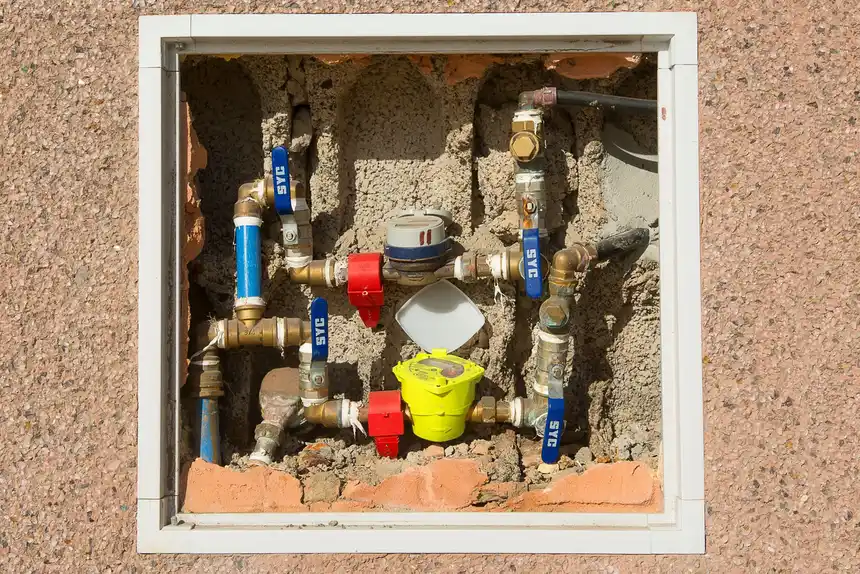
First we set a bucket on the second step and mark both water levels. Twenty-four hours later, the difference tells us if you have a leak or just normal evaporation. In Mission Viejo summer, a pool can lose a quarter inch a day to evaporation alone, so this step matters.
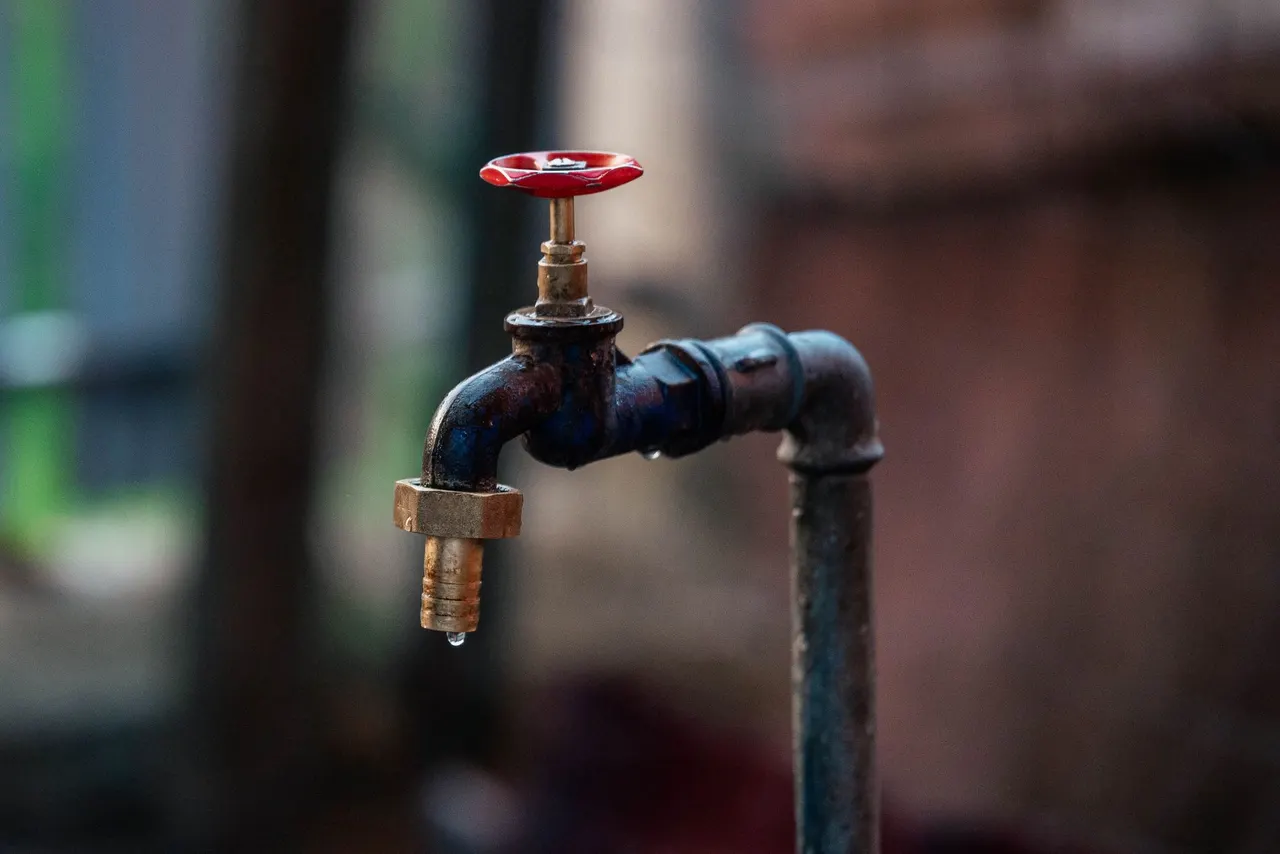
We plug the returns, skimmer, and main drain, then pressurize each line with a pressure testing kit. A drop on the gauge isolates the leaking line. A pipe locator and video pipe inspection camera trace the run so we know exactly where to dig if it comes to that.
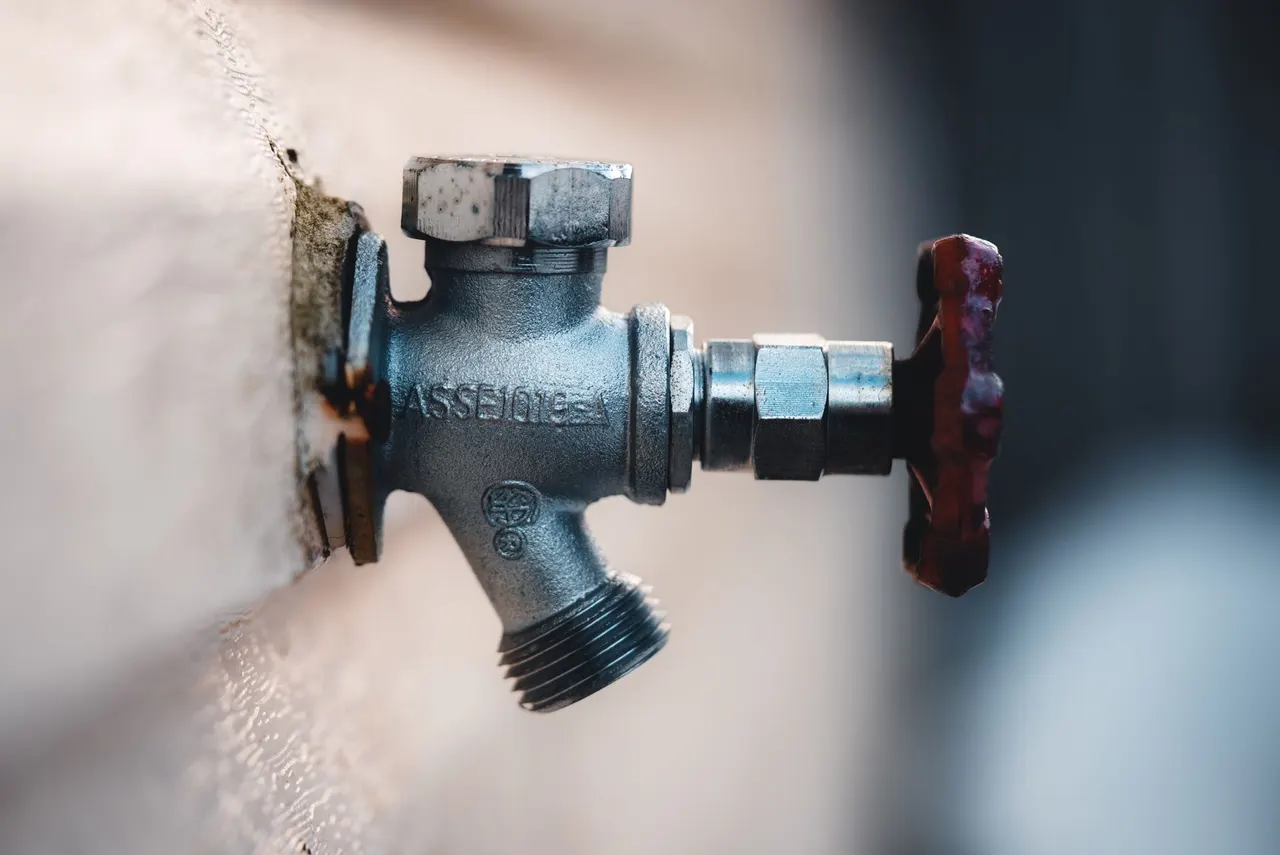
With the line pressurized, we walk the deck with an ultrasonic leak detector and a Sewerin acoustic unit. The escaping water makes a distinct hiss. A thermal imaging camera confirms the wet spot under the deck. This is how we mark the dig point within a few inches.
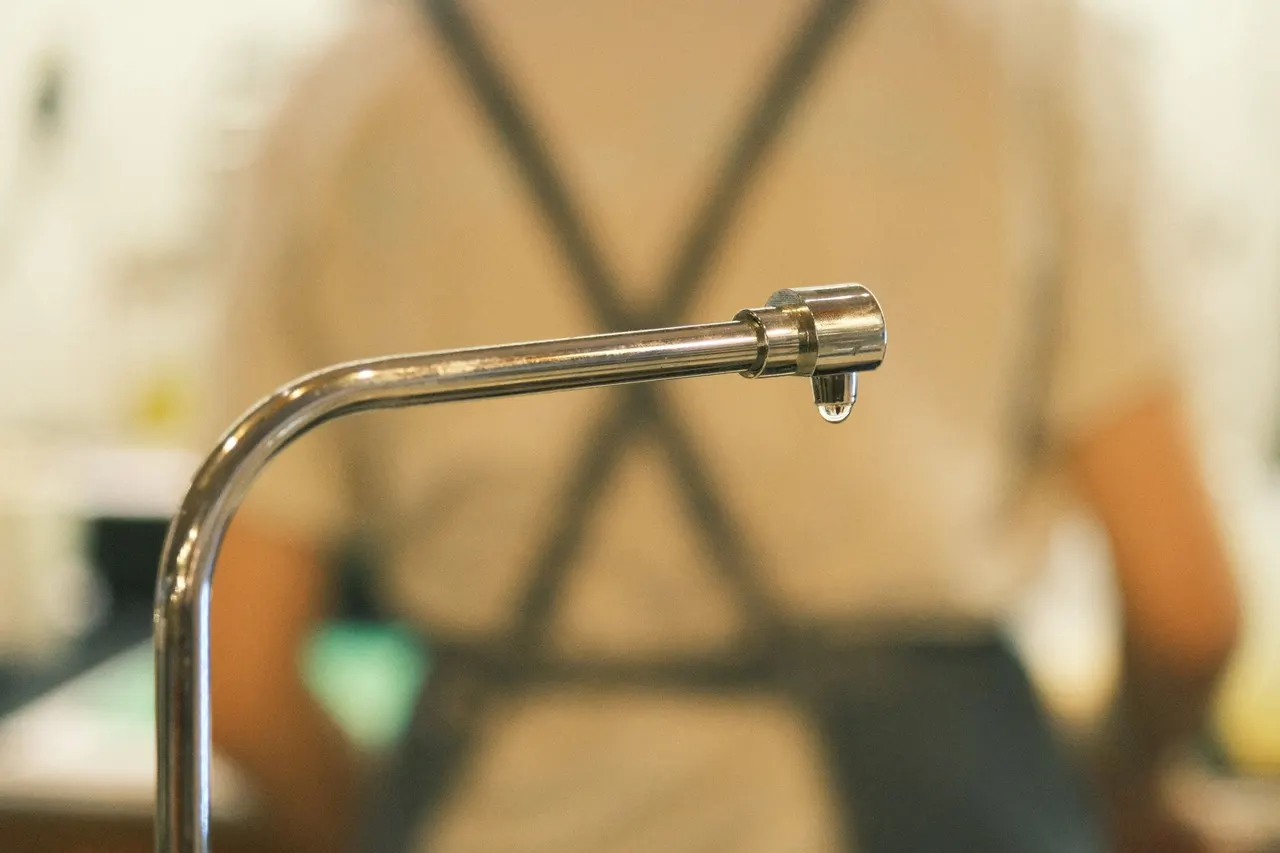
We expose the line, cut out the failed section, and rebuild it with copper pipes or PEX piping and proper solder or clamps. Then we pressure-test again at the same PSI and watch the gauge hold. You get photos of the repair and the final reading before we leave.
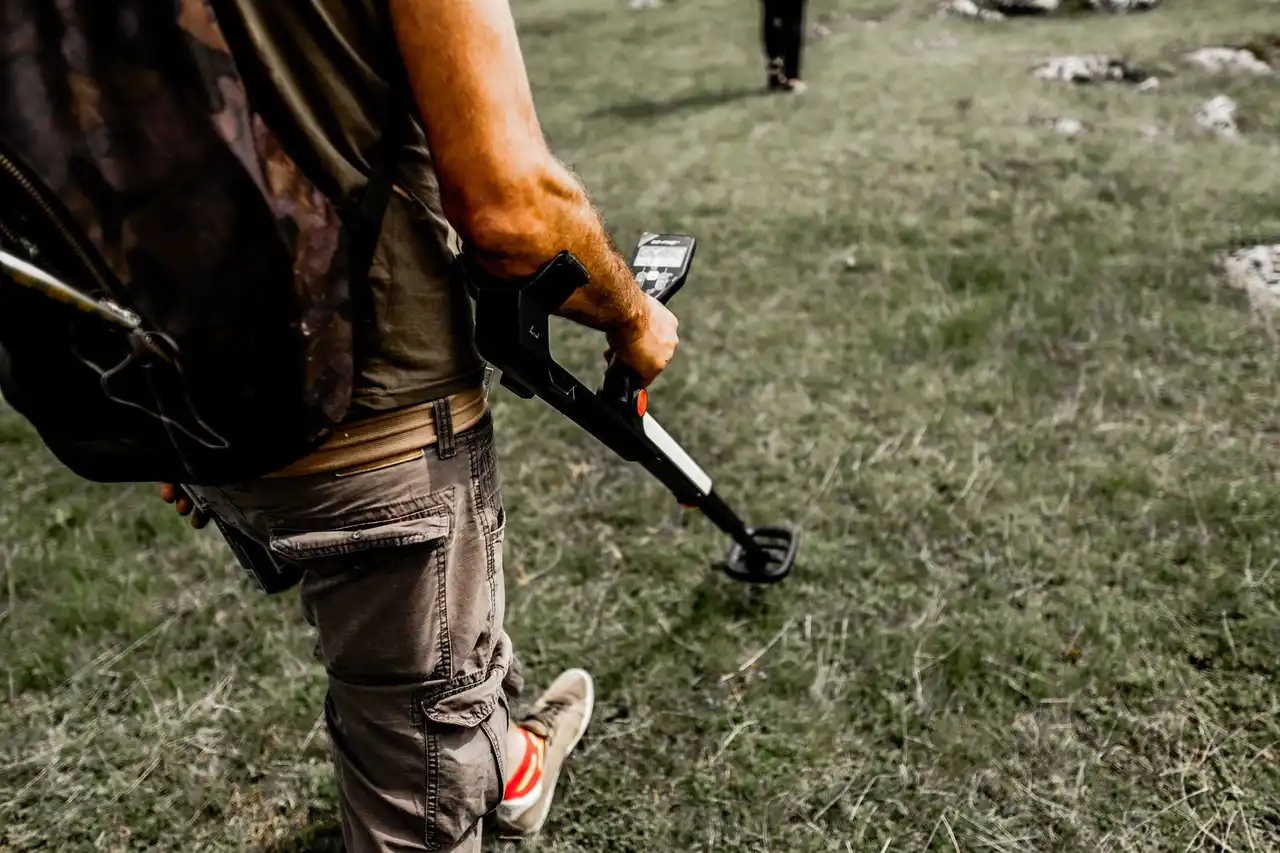
Move across a circle, or focus it and press Enter, for an illustrative thermal view of the photograph.
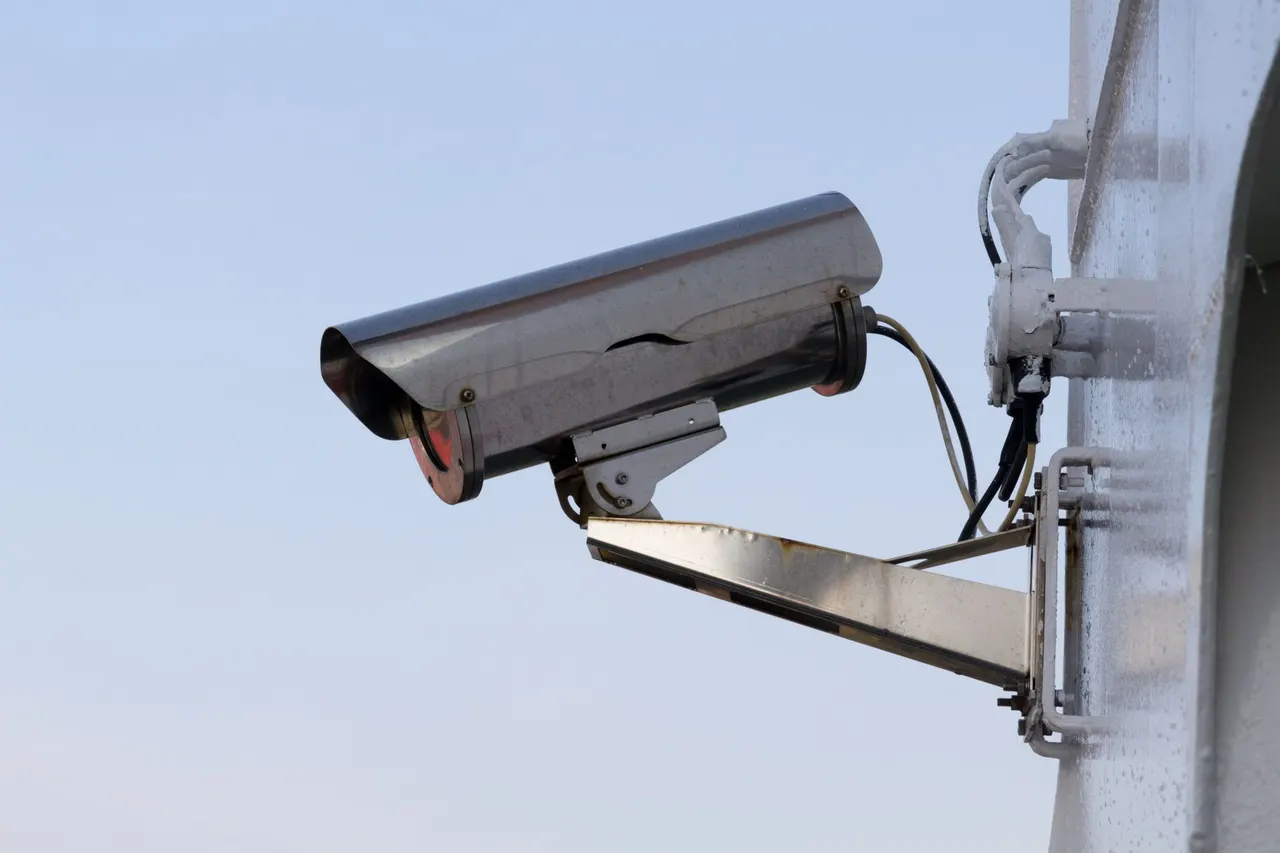
Listens for the hiss of water escaping a pressurized line. We use it to pinpoint underground leaks within a few inches before we dig.

Shows temperature differences caused by wet soil or escaping water. It confirms the leak location under decking and concrete without breaking anything open.

Pressurizes each pool line separately and holds the reading. A pressure drop isolates the leaking line and rules out the ones that are fine.
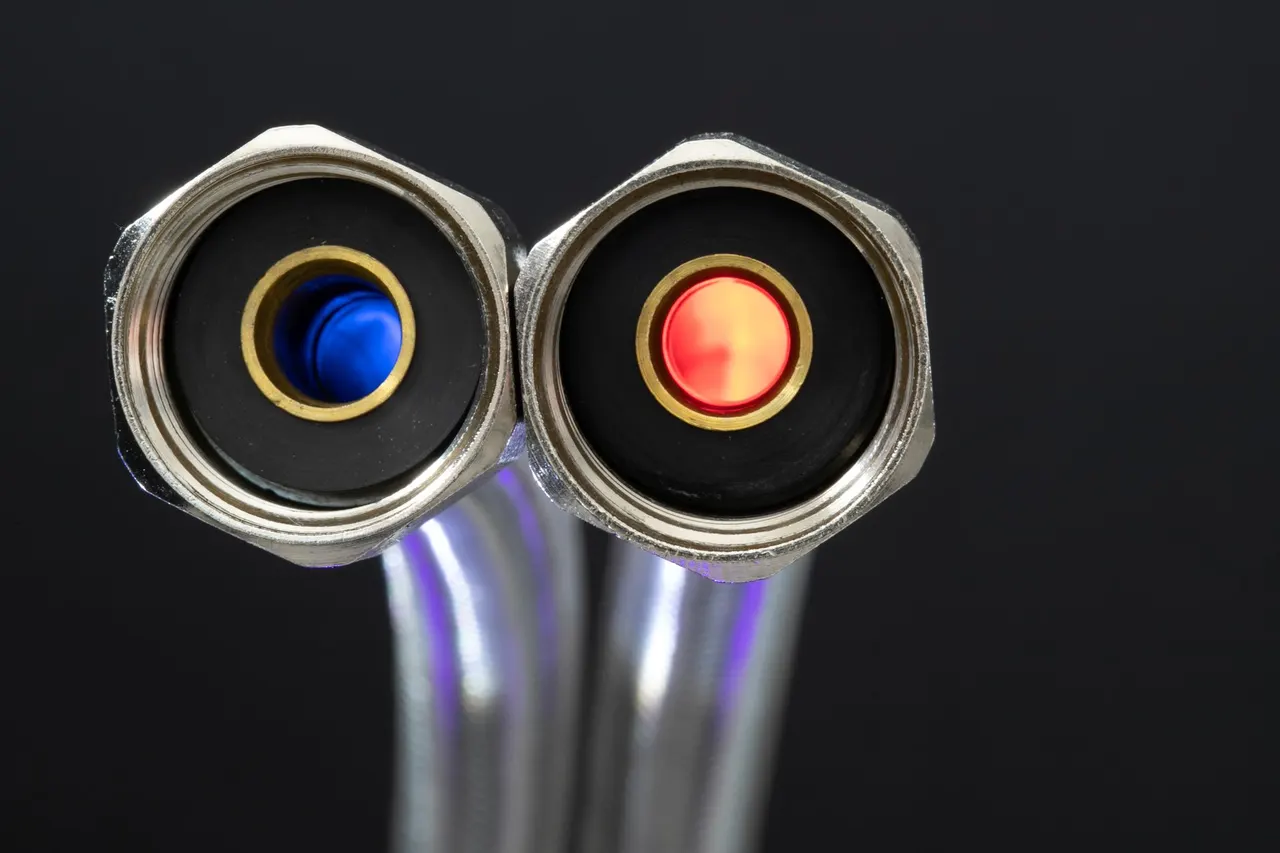
Picks up high-frequency sound from small leaks that acoustic gear misses. Useful for pinhole leaks in copper pipes and tight equipment pad fittings.
Traces the path of underground pool lines so we know exactly where to dig. It keeps us from cutting into irrigation or gas lines by mistake.
Thermal views are illustrative, generated from the photographs.
Looks inside drain lines and larger pipes when we need to see the failure directly. It confirms cracks, root intrusion, and joint separation.
Used on gas lines and hard-to-find leaks where water testing is not practical. It picks up trace gas at the leak point with high accuracy.
A 24-hour evaporation baseline. We set a bucket on the second step, mark both water levels, and compare the drop. If the pool drops more than the bucket, you have a leak. This step alone saves some customers the cost of a full diagnostic.
We plug and pressurize each pool line separately: returns, suction, skimmer, and main drain. A pressure drop on one line tells us exactly which line failed. We record the starting and ending PSI so you see the numbers.
We pressurize the line, then walk the deck with acoustic gear and a thermal camera. When both tools point to the same spot, we mark the dig point. This correlation is what gets us within a few inches instead of a few feet.
Leak detection dye goes into the skimmer, light niche, and main drain to show water movement at the leak point. It is the fastest way to confirm a shell or fitting leak without digging.

Your pool is losing an inch of water a day and the pool guy says it is evaporation.
We run a bucket test to settle the argument with data, then pressure-test the lines if the bucket test confirms a leak. Most pools losing an inch a day have a real plumbing or shell leak, not evaporation.
Outcome: You get a definitive answer in one visit and a repair plan if needed. No more guessing or topping off the pool every other day.
You see a wet spot in the yard between the pool and the equipment pad.
We pressure-test the return and suction lines, then use acoustic gear and a pipe locator to mark the dig point. Most yard wet spots are return line leaks, and we repair them the same day when accessible.
Outcome: The wet spot dries up, the soil stops washing out, and your water bill drops back to normal within a billing cycle.
Your pump loses prime every morning and you have to re-prime it by hand.
We test the suction side for air leaks, inspect the skimmer, pump lid, and unions, and pressure-test the suction line. Most prime-loss issues are a cracked skimmer or a failed O-ring, both quick repairs.
Outcome: The pump holds prime, the motor stops overheating, and you stop making that morning trip to the equipment pad.
You are buying a home in Mission Viejo and the inspection flagged a possible pool leak.
We run a full diagnostic on the pool, including pressure testing, acoustic scan, and equipment pad inspection, and provide a written report with photos. The report is yours to share with your agent or the seller.
Outcome: You know exactly what you are buying and what the repair will cost before you close. No surprises after move-in.
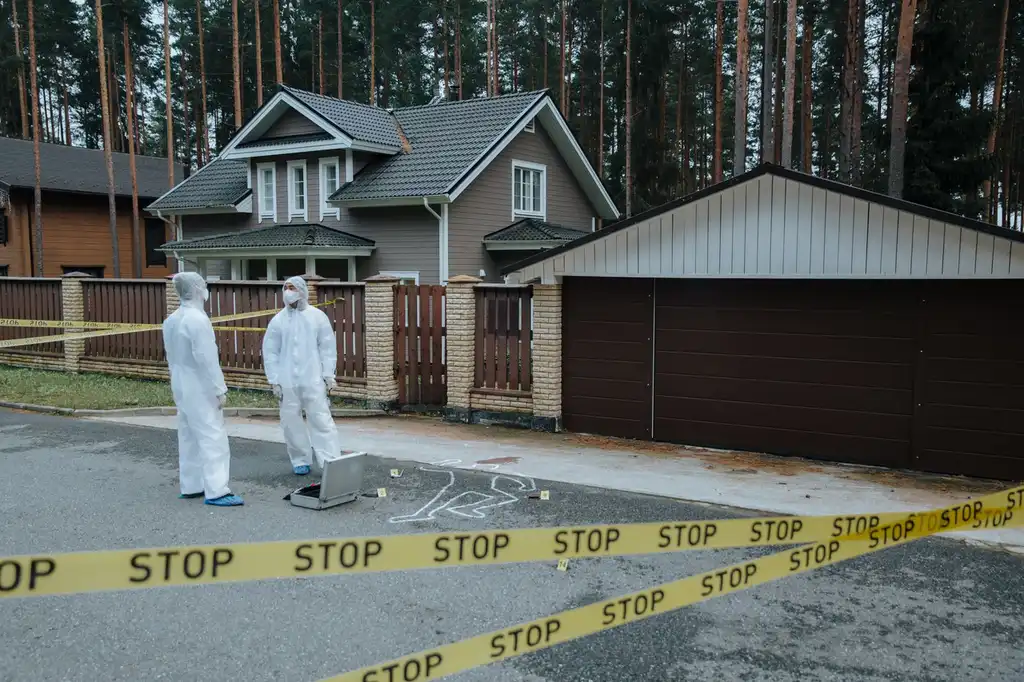
Your water bill doubled and you cannot find where the water is going.
We compare the pool loss rate against the meter, test the pool fill line, and check the backflow assembly. If the pool is not the source, we test the domestic lines and irrigation on the same visit.
Outcome: You find the source of the water loss in one trip, whether it is the pool, the irrigation, or a domestic line, and you stop paying for water you never see.

Mission Viejo pools deal with two extremes: dry summers that shrink clay soil and wet winters that swell it back. That cycle cracks pool shells and shears underground lines, especially in neighborhoods built in the 1970s and 1980s where copper pipes have been in the ground for decades. We see a spike in pool leak calls every spring as the soil dries out and every fall after the first rain.
If you are searching for pool leak detection and repair mission viejo, California, we run those calls daily. Our trucks carry the same gear to every ZIP code we serve, including 92692, 92691, and 92690. Most residential pools get a definitive answer in two to four hours, and accessible leaks are repaired the same day.
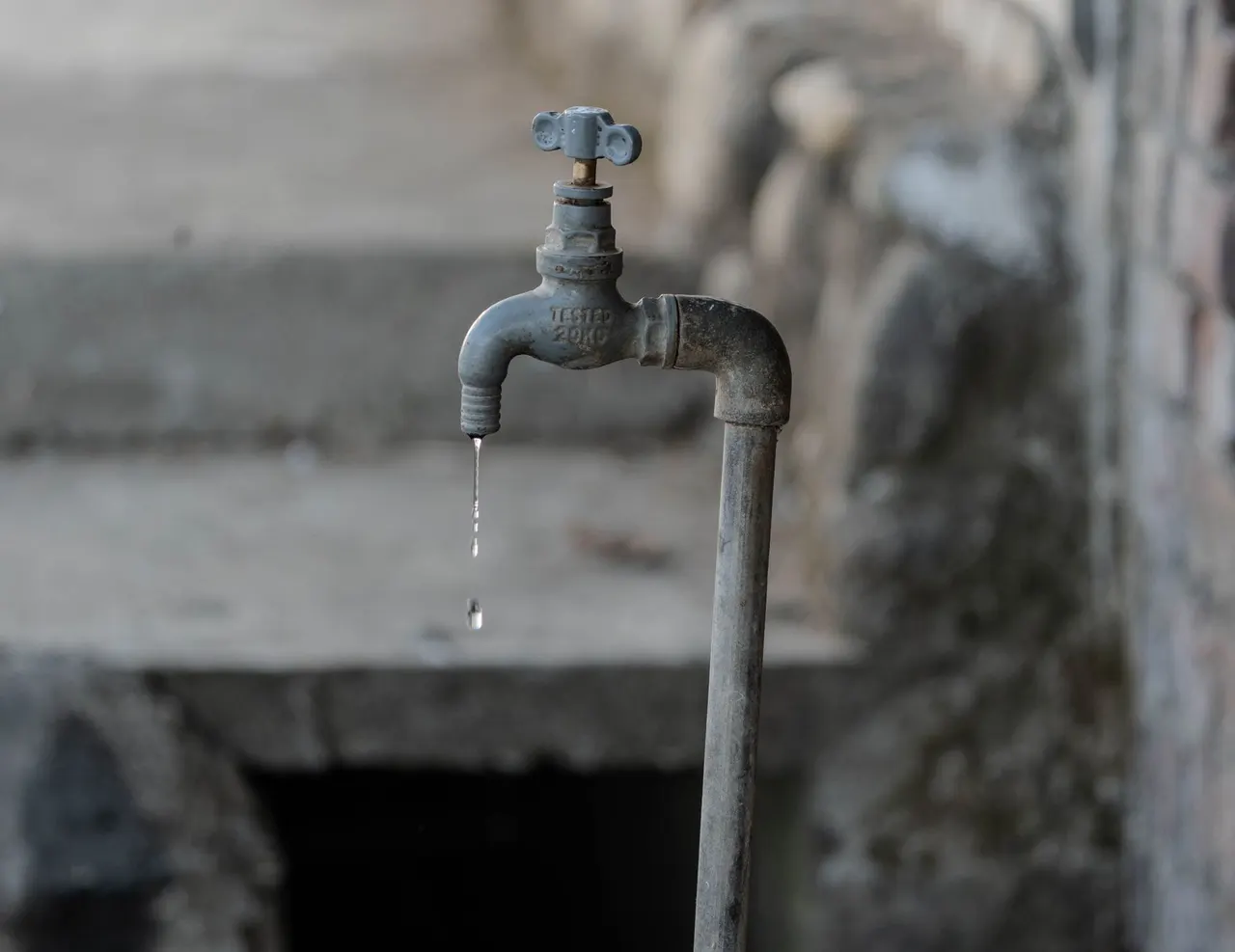
Before: A Lake Mission Viejo homeowner was losing an inch of water a day and the pool guy said it was evaporation.
After: We pressure-tested the lines, found a cracked return line under the deck, and repaired it with a section of PEX piping. The line held 30 PSI on the retest, and the water level stayed steady for the next 30 days.
Keep the deck joint sealed and check the water level weekly. If the level starts dropping again, call us before the soil washes out under the deck.
Before: A Casta del Sol homeowner was losing water overnight with the pump off. The pool level dropped half an inch every night, and the skimmer throat stayed wet. Two other companies had quoted a full drain and replaster.
After: We dye-tested the skimmer and found a hairline crack in the throat. We sealed it with epoxy sealant and retested the shell.
Watch the skimmer throat for new cracks each season. Keeping the water chemistry balanced slows shell and fitting deterioration.
Before: A Pacific Hills property manager had a pool losing water and a wet equipment pad. The pump was losing prime every morning, and the tenants were calling weekly about the water level.
After: We found a failed union O-ring and a cracked valve stem on the return side. Both were replaced in under two hours. The pump held prime the next morning, and the water level stayed steady through the next billing cycle.
Check the equipment pad monthly for drips and keep the pump lid O-ring lubricated. Small pad leaks are cheap to fix before they soak the soil.
Most pool leaks fall into a handful of categories. Here are the ones we see most often in Mission Viejo and what happens if they are ignored.
A confirmed leak location and a repair that holds pressure.
A pool losing an inch a day can waste 5,000 to 8,000 gallons a month. At Mission Viejo water rates, that is real money. We locate the source, and you stop paying for water that never stays in the pool.
Water escaping under a pool shell erodes the soil base and causes deck cracks, settling, and in bad cases a hollow spot under the plaster.
Our pool leak detection services mission viejo crews carry acoustic leak detection equipment, a pressure testing kit, and a Fluke thermal imaging camera on every truck. Most residential pools get a definitive answer in two to four hours, not a week of trial and error.
When the leak is accessible, we fix it the same day with pipe repair clamps, epoxy sealant, or a section of PEX piping, then pressure-test the line again before we pack up. You see the repair hold before we leave the property.
Clear records you can keep and share.
Images of the leak and repair area
Starting and ending PSI per line
Marked dig point on the deck
What was replaced and retested
A bucket test separates normal water loss from a leak. If the pool drops faster than the bucket, you have a leak.
Evaporation only, no plumbing issue
A line or fitting is losing water
The pool structure is losing water
A list like this tells people straight away whether you cover their street. Not listed? Call and ask: it only takes a minute.
Based in mission viejo and covering the places around it. Pick one for local details.
That covers the bucket test, pressure testing of all lines, acoustic and thermal scanning, and a written report with the leak location marked. If we repair the leak the same day, the repair is quoted separately before we start.
If your pool loses more than a quarter inch of water per day with the pump off, you have a leak, not evaporation. Other signs: the pump loses prime, the deck or yard stays wet in one spot, you see cracks in the shell or skimmer, or your water bill jumped without extra use. A bucket test on the second step confirms it in 24 hours.
We do. Leak Detection Experts Mission Viejo handles both the diagnosis and the repair, so you are not bounced between a leak detection company and a separate pool contractor. We carry pipe repair clamps, epoxy sealant, PEX piping, and copper fittings on the truck. Most accessible leaks are repaired the same day we find them.
Yes, most pool leaks are fixed without draining. Skimmer cracks, light niche leaks, return line breaks, and equipment pad leaks are all repairable with the pool full. We only recommend draining for shell cracks that need full plaster work or when the leak is under the main drain sump. Even then, we pressure-test first so you know it is necessary.
Other services from the same team.
If your pool is losing water and you are tired of guessing, call us. We give you a two-hour arrival window, find the leak the same day, and repair it before we leave when it is accessible.
Call us at +1 (555) 123-4567 or email [email protected]. Our office is in Mission Viejo, California, and we serve all of Orange County. If you need leak detection near me mission viejo CA, we're ready to help.