For homes
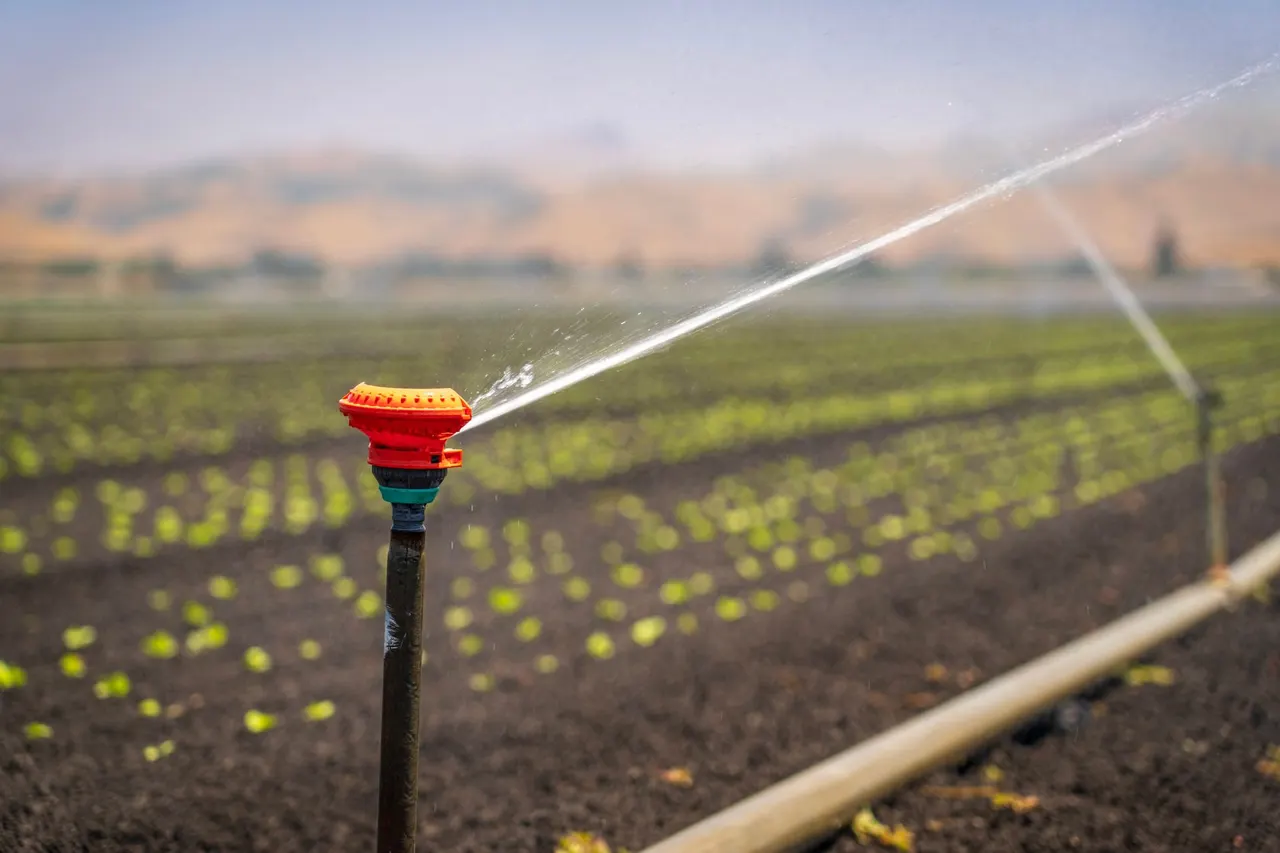
We find sprinkler leaks in yards, parkways, and valve boxes. You get a flat price before we dig, and we re-test the zone before we leave.
- High water bill with no puddle
- Soggy patch that never dries
- Zone that lost pressure
We use acoustic listening gear and pressure testing to find the exact break, then fix it the same visit. If you have a soggy patch or a meter that keeps spinning, call us.
 Zone pressure testAcoustic pinpointSame-visit repair
Every call starts with a full system check, not just the spot you noticed. We test all zones, inspect valves and manifolds, and confirm the repair holds before we leave. If we find a second issue, we tell you now and price it before we touch it.
We isolate and pressurize each zone to 40-60 psi. A zone that loses pressure has a leak. This takes 15 to 20 minutes and tells us exactly which line is failing.
We use ultrasonic leak detector gear to hear the break through soil. We mark the spot with paint and confirm depth with a pipe locator. You get one hole, not five.
We check every valve, solenoid, and manifold connection for cracks or corrosion. A failing valve can waste 15 gallons an hour without showing a puddle.
We cut out the damaged section and splice in matching PVC or PEX piping. We use pipe repair clamps rated for 150 psi and backfill with clean soil.
We re-pressurize the zone, run it for 10 minutes, and check for new moisture. You get a photo of the repair and a written note on what to watch.
The approach is the same for a home and a business. What changes is the access, the schedule and who needs the paperwork.
We find sprinkler leaks in yards, parkways, and valve boxes. You get a flat price before we dig, and we re-test the zone before we leave.
We handle irrigation leaks for rental properties, HOAs, and commercial landscapes. You get a photo report and a written summary for your records.
A plain-language look at what Irrigation & Sprinkler Leak Detection involves and when it is needed.
See how it worksIrrigation & Sprinkler Leak Detection in mission viejo is the process of isolating a broken sprinkler line, valve, or drip zone and confirming the leak point before anyone digs. We pressurize each zone, listen with acoustic leak detection equipment, and map the line with a pipe locator so we cut only where the break is. Most residential systems have 4 to 8 zones, and a single failed valve can waste 15 to 20 gallons an hour without showing a puddle.
Mission Viejo sits on clay-heavy soil and runs irrigation year-round, so lines shift, fittings crack, and tree roots pinch PVC. Homeowners in Casta del Sol and Palmia often call after a spike in their water bill or a swampy strip along the parkway. If you need sprinkler leak detection near me mission viejo CA, we handle the diagnosis and the repair in one trip, not three.
A sprinkler leak wastes water every time the zone runs. Finding it fast saves money and landscape.
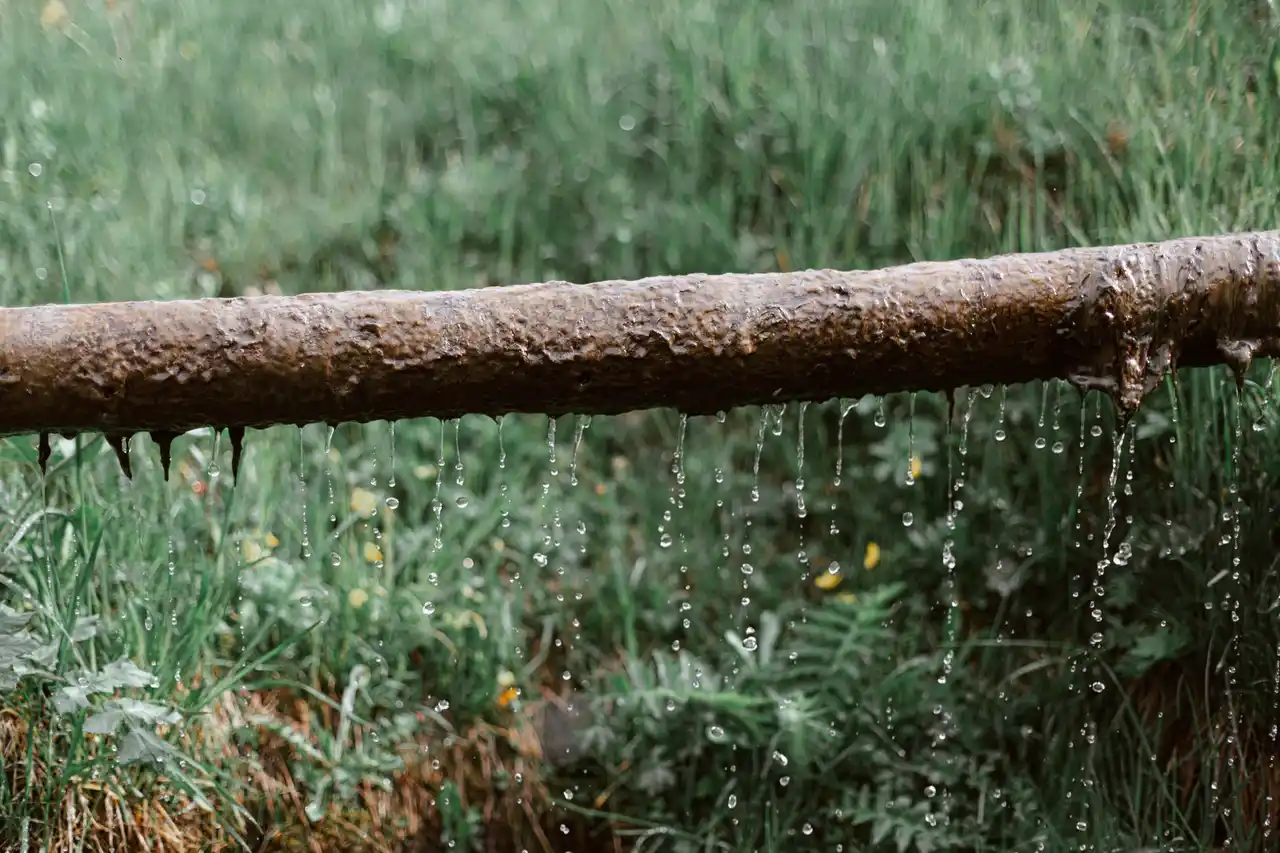
You do not need to dig anything up before we arrive. Here is exactly what happens from the first call to the final test.
We ask three questions: where is the wet spot, when did the meter start spinning, and how many zones does your system have. That tells us whether to bring acoustic gear for a buried line or a pressure kit for a valve. You get a two-hour arrival window, not a full-day maybe.
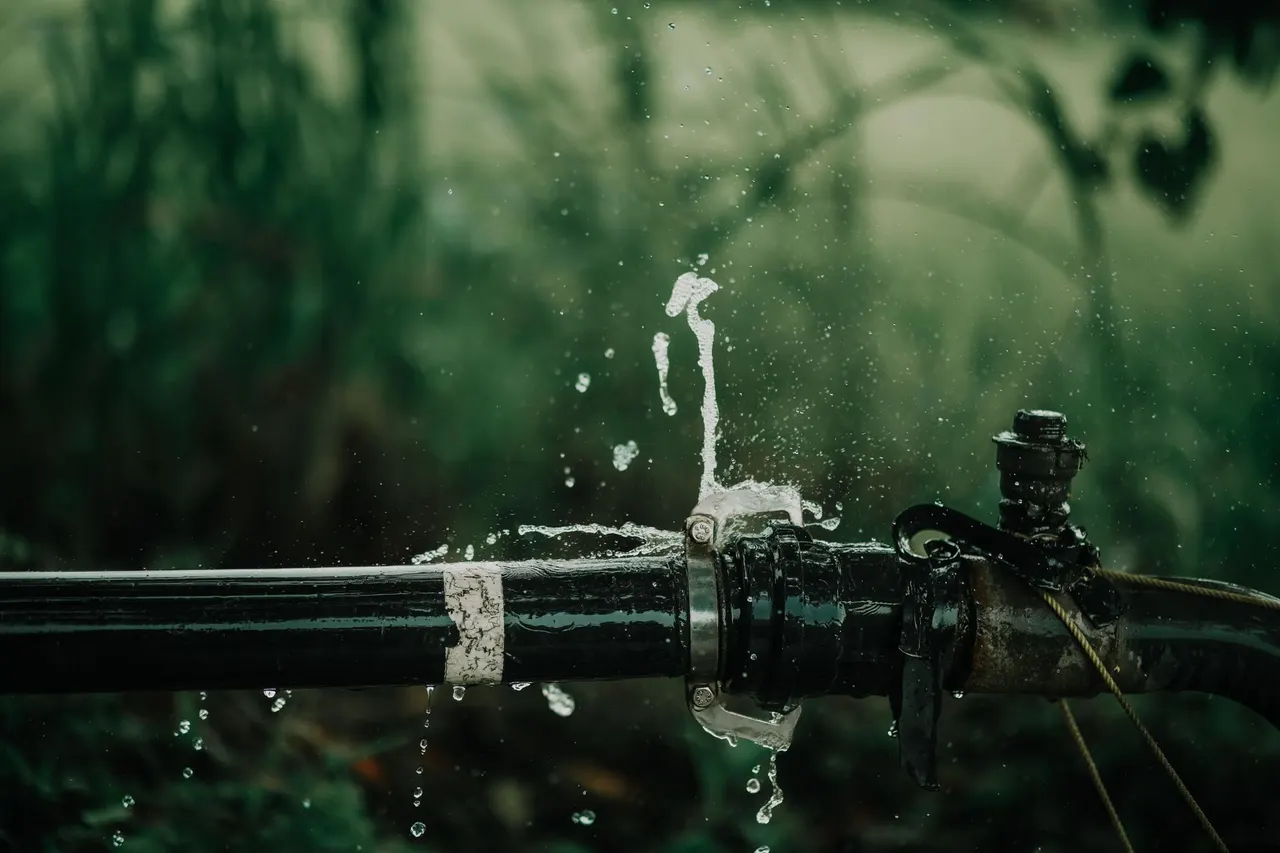
We isolate each zone and pressurize it to 40-60 psi. A zone that will not hold pressure has a leak. This takes 15 to 20 minutes and tells us exactly which line is failing before we touch a shovel.
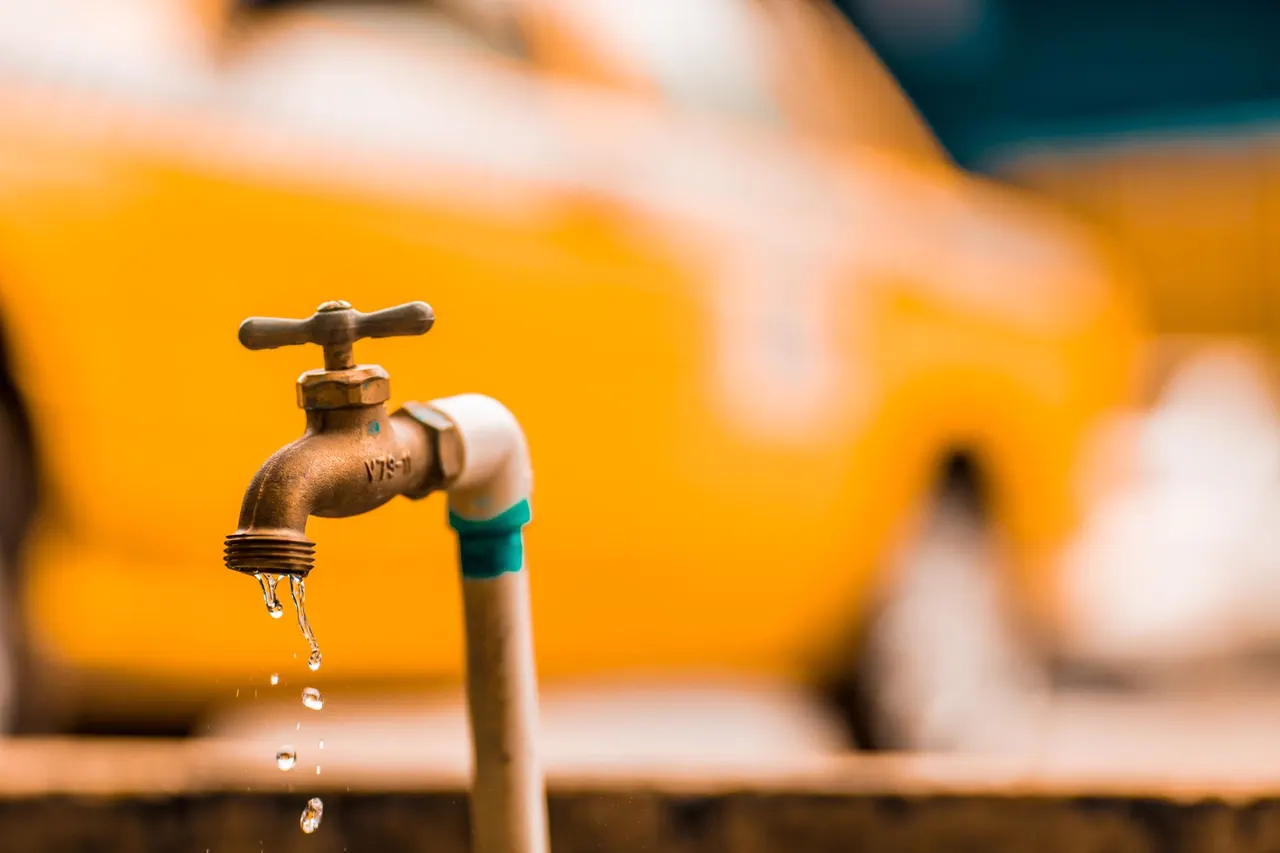
We walk the line with an ultrasonic leak detector and a thermal imaging camera. The escaping water makes a hiss we can hear through 18 inches of soil. We mark the break with paint and confirm depth with a pipe locator. No guesswork, no random digging.
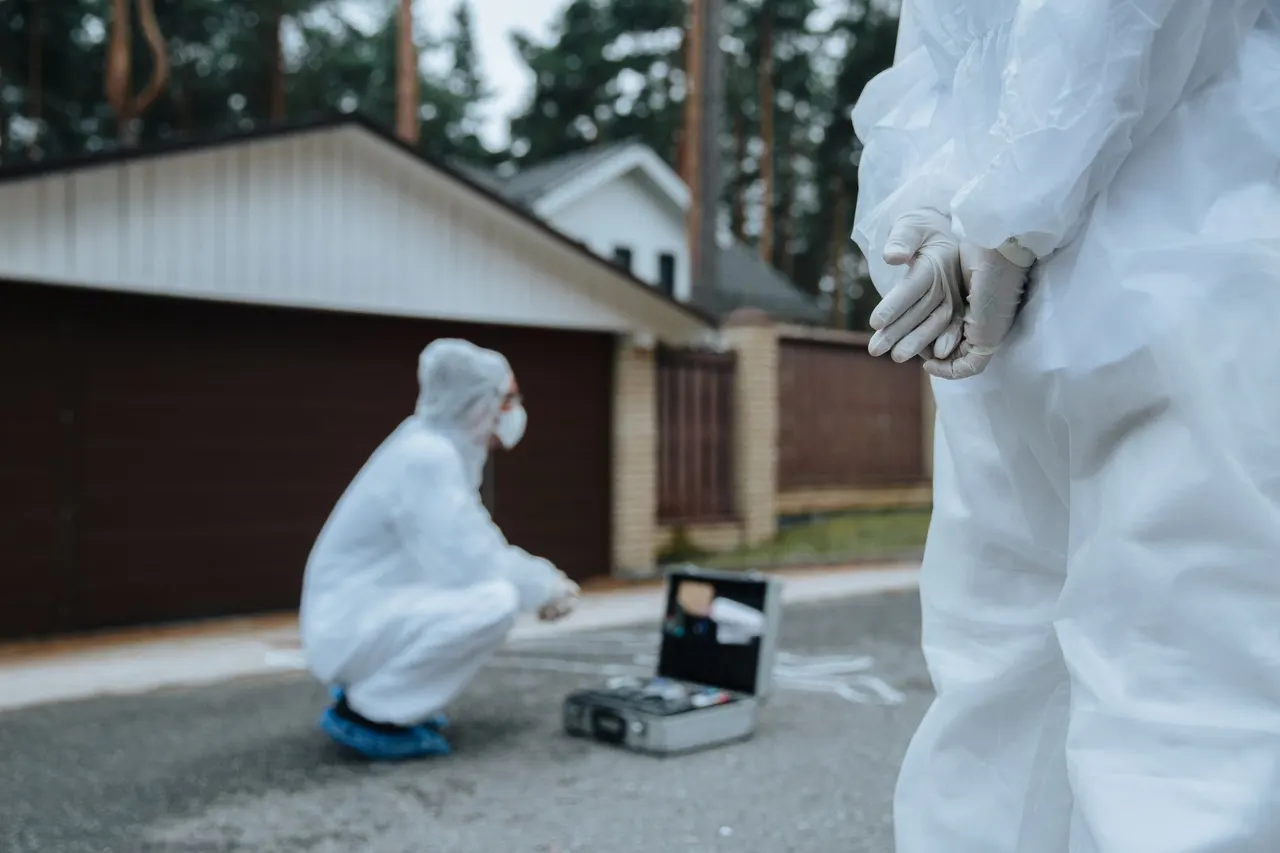
We cut out the damaged section and replace it with matching PVC or PEX piping. A simple coupling swap takes 45 minutes. A root-crushed line under a walkway takes three to four hours. We use pipe repair clamps rated for 150 psi and backfill with clean soil.
We re-pressurize the zone, run it for 10 minutes, and check for any new moisture. You get a photo of the repair and a written note on what to watch. If the valve is also failing, we tell you now, not after the next water bill.
Move across a circle, or focus it and press Enter, for an illustrative thermal view of the photograph.
Listens for the hiss of escaping water through soil and concrete. We use it to pinpoint the break within 12 inches before we dig.
Shows temperature differences caused by moisture. We use it to map wet areas under sod and behind walls without cutting anything open.
Pressurizes each zone to 40-60 psi. A zone that will not hold pressure has a leak. This tells us which line is failing in 15 minutes.
Traces the path of buried irrigation lines. We use it to confirm depth and route before we cut, so we do not hit a gas or electrical line.
Reads water content in soil and building materials. We use it to confirm the leak boundary and check for hidden moisture after repair.
Thermal views are illustrative, generated from the photographs.
Injects a safe gas mix into the line and sniffs for it at the surface. We use it for lines under concrete or pavers where acoustic gear struggles.
Picks up high-frequency sound from small leaks. We use it for pinhole breaks that do not show a puddle but still waste water.
We close every zone valve, then pressurize one zone at a time. If pressure drops, that zone has a leak. This method isolates the problem in under 20 minutes and works on any system size.
We walk the line with an ultrasonic leak detector and mark the loudest point. Then we approach from two directions and triangulate the exact spot. This cuts false positives and keeps us from digging in the wrong place.
We scan the yard with a thermal imaging camera. Wet soil holds temperature differently than dry soil. The camera shows us the leak footprint even when the surface looks normal.
For lines under concrete, we inject a safe tracer gas and sniff the surface with a Sewerin or Inficon detector. This finds leaks that acoustic gear cannot hear through a slab.
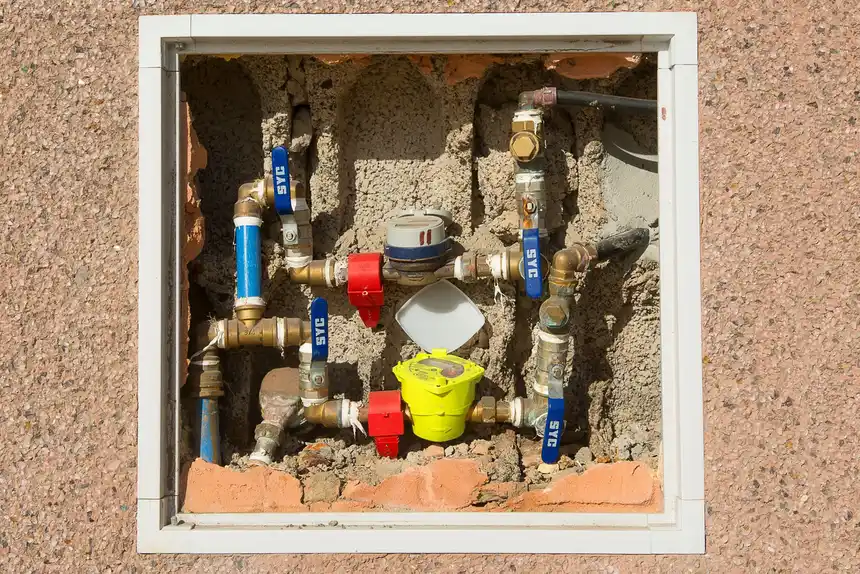
You got a letter from the water district about a high-usage alert.
We pressure-test every zone and check the mainline. Most high-usage alerts trace back to a single failed valve or a pinhole line break. We find it, fix it, and give you a written report you can send to the district.
Outcome: Your next bill drops back to normal, and you have documentation showing the repair.
You are selling your home and the buyer's inspection flagged the irrigation system.
We run a full diagnostic, document every leak and failing component, and repair what is needed. You get a photo report and a written summary you can hand to the buyer.
Outcome: The sale moves forward without a repair credit, and the buyer gets a working system.
A tree root crushed a line under your driveway or walkway.
We use a pipe locator and tracer gas leak detector to confirm the break location without tearing up concrete. In many cases we can reroute the line around the root instead of breaking the slab.
Outcome: You get a working zone without a concrete repair bill, and the tree stays.
Your system is 20 years old and you are losing pressure in multiple zones.
We test every zone and map the failures. If the pipe is brittle throughout, we give you a straight answer on repair versus replacement. If only two sections are bad, we fix those and leave the rest.
Outcome: You know exactly what you are dealing with and can decide based on real numbers, not a sales pitch.
You are leaving for vacation and notice a wet spot near the valve box.
We come out before you leave, find the leak, and repair it. If the repair needs a part we do not carry, we cap the zone so it cannot run while you are gone.
Outcome: You leave knowing the system will not flood your yard while you are away.
Mission Viejo sits on clay soil that expands when wet and shrinks when dry. That movement cracks PVC fittings and shifts valve boxes. Most homes here run irrigation year-round, so lines never get a rest. We see the same failures repeat: valves crack at the manifold, tree roots crush lines under parkways, and 1980s galvanized stubs corrode at the transition to copper.
If you need affordable irrigation leak detection in mission viejo, we know where to look first. We also handle sprinkler leak detection services in Orange County for neighboring cities with the same soil and climate. Our trucks carry PVC, PEX, and copper fittings, so most repairs finish the same visit. We test every zone after repair and give you a photo report.

Before: Two zones would not hold pressure. The manifold had three cracked fittings and a failing solenoid.
After: We replaced the manifold and solenoid in two hours. All zones held 55 psi.
We recommended a quarterly valve box check to catch fitting cracks before they spray. The homeowner now runs each zone for two minutes every month and watches for low pressure.
Before: A Palmia homeowner had a swampy strip along the parkway. The line ran under a mature sycamore. Two other companies wanted to cut the root and replace 30 feet of pipe.
After: We used a pipe locator and tracer gas leak detector to confirm the break. We rerouted 18 feet of line around the root in three hours. The tree stayed, and the zone held pressure.
We told the homeowner to watch for new wet spots along the reroute. If the root grows further, we can add a root barrier without replacing the line.
Before: A Lake Mission Viejo property manager had a meter spinning with all zones off. No puddles, no wet spots. The mainline ran under a concrete walkway.
After: We isolated the mainline and used tracer gas injection to find the break under the walkway. We rerouted the line around the concrete in four hours. The meter stopped spinning.
We recommended a pressure test every six months on the mainline. The property manager now checks the meter weekly to catch future leaks early.
Most irrigation leaks show up as one of these five problems. We diagnose and fix each one on the same visit.
A repaired sprinkler zone stops water waste and protects your landscape.
A pinhole leak in a 1-inch PVC line can lose 200 gallons a day. We find it, fix it, and re-test the zone so your meter stops spinning. Most repairs take two to four hours from arrival to final pressure check.
Standing water drowns roots and invites fungus. We pinpoint the break with a moisture meter and thermal imaging camera, then repair the line without tearing up the whole yard. You keep your turf, your shrubs, and your curb appeal.
We schedule most irrigation leak detection in mission viejo, California within 24 hours and often the same day. You get a written finding, a flat repair quote, and a clear yes-or-no on whether the valve or the line is the problem.
Every repair meets California plumbing code and EPA WaterSense standards. We use pipe repair clamps, epoxy sealant, or a full section swap depending on the break. You get a repair that holds through summer heat and winter rain.
Clear records you can keep and share.
Images of the break and repair
Pressure readings for each zone
What was fixed and what to watch
How to check zones monthly
Most sprinkler leaks are either a valve failure or a line break. The fix is different for each.
A failing valve or solenoid that will not close.
A cracked or crushed pipe along the zone run.
A break before the first zone valve.
A list like this tells people straight away whether you cover their street. Not listed? Call and ask: it only takes a minute.
Based in mission viejo and covering the places around it. Pick one for local details.
We give you the full price before we start work.
Turn off all zones and watch your water meter. If the low-flow indicator still spins, you have a leak. Then run one zone at a time and look for soggy spots or low pressure. If you cannot isolate it, call us. We use ultrasonic leak detector gear to hear the break through soil.
We do. Leak Detection Experts Mission Viejo handles both diagnosis and repair for irrigation system leak repair mission viejo CA. We carry PVC, PEX, copper, and pipe repair clamps on every truck. Most repairs finish in one visit, and we re-test the zone before we leave.
Yes. Most leaks are a single failed coupling, valve, or 12-inch section of pipe. We cut out the damaged piece and splice in new material. Full-system replacement is rare and only needed when the pipe is brittle throughout. A targeted repair costs a fraction of a new system.
Other services from the same team.
One call covers diagnosis and repair. Call now and we will get a technician headed your way.
Call us at +1 (555) 123-4567 or email [email protected]. Our office is in Mission Viejo, California, and we serve all of Orange County. If you need leak detection near me mission viejo CA, we're ready to help.