Bathroom Leak Detection in mission viejo that finds the source fast
Bathroom Leak Detection in mission viejo starts with finding the exact source, not guessing. We use thermal imaging cameras, acoustic listening gear, and moisture meters to trace hidden leaks behind tile, under vanities, and inside walls. Whether you have a dripping shower pan, a stained ceiling below, or a water bill that jumped, our team pinpoints the problem and explains the fix in plain language.
Every bathroom leak detection visit covers the full diagnostic process from the water meter to the fixture. If the leak turns out to be outside the bathroom, we tell you and adjust the plan. Here is what is included in a standard visit.
Full fixture inspection
We check every water source in the bathroom: toilet, sink, shower, tub, and any supply lines under the vanity. Loose fittings, failed caulk, and cracked supply hoses are ruled out first because they are the most common and cheapest fixes.
Pressure testing
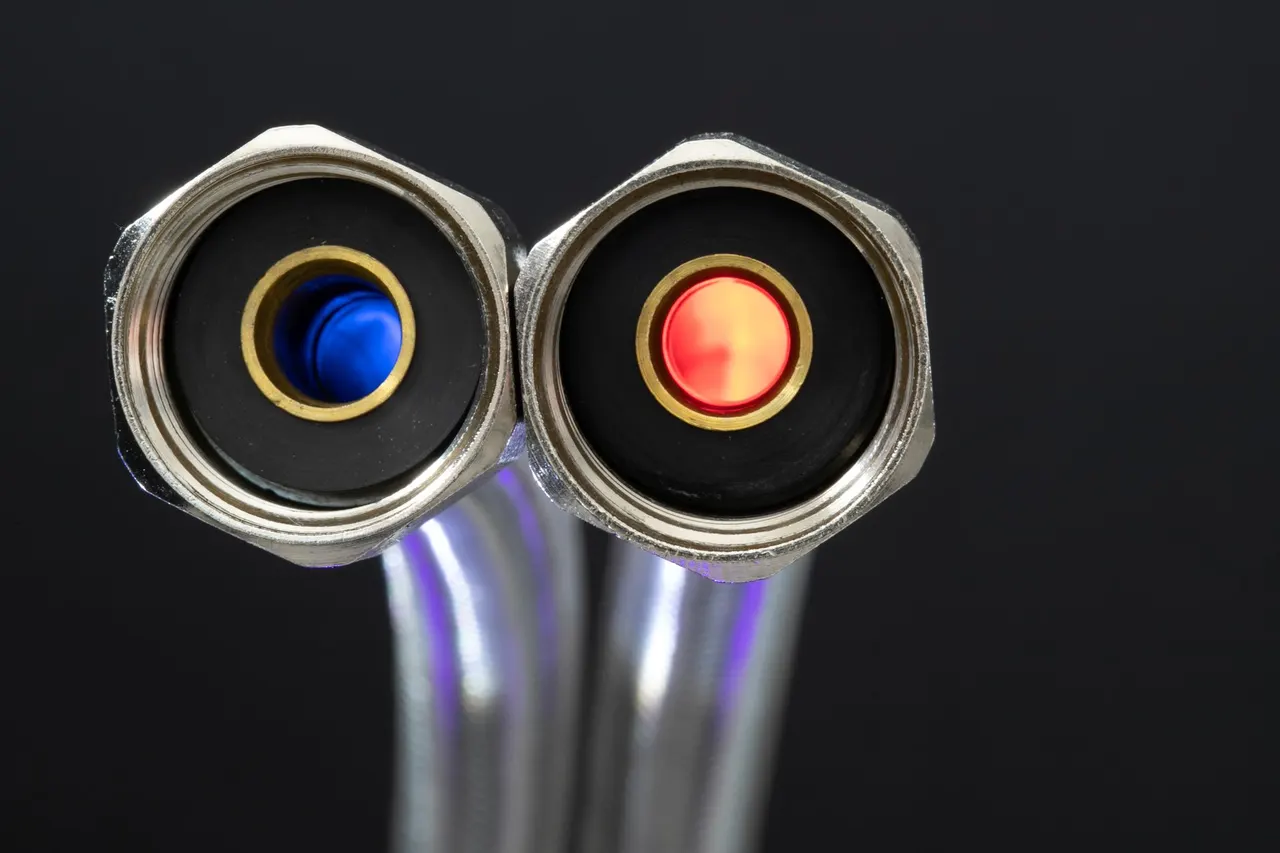
We isolate the hot and cold supply lines with a pressure testing kit and watch for pressure drop. This tells us whether the leak is on the supply side or the drain side before we start scanning walls.
Thermal and acoustic scan
A thermal imaging camera shows temperature differences caused by water behind tile or drywall. An acoustic leak detector picks up the sound of pressurized water escaping a pipe. Together they narrow the location to within a few inches.
Moisture mapping
We use a moisture meter to measure how far water has traveled from the source. This tells you whether the subfloor, the ceiling below, or the wall framing is wet and how much drying may be needed after the repair.
Written findings and photos
You get a written summary of what we found, where it is, and what it will take to fix it. Photos of the thermal images and moisture readings are included so you have a record for insurance or for a second opinion.
Repair quote before work starts
Once we know the source, we give you a written price for the repair. You decide whether to proceed. No work begins until you approve the price and the scope.
Homes and businesses.
The approach is the same for a home and a business. What changes is the access, the schedule and who needs the paperwork.
For homeowners and renters
We find bathroom leaks in houses, condos, and apartments across Mission Viejo. You get a written summary and photos you can share with your landlord or insurer.
Ceiling stain below bathroom
Soft floor near tub or toilet
Water bill jumped with no drip
For owners and managers
We handle bathroom leaks in rental units, offices, and small commercial buildings. Documentation is provided for every visit so you have a record for tenants and insurance.
Multi-unit bathroom leak tracing
Tenant-reported moisture issues
Insurance documentation provided
Bathroom Leak Detection in mission viejo, California
A plain-language look at what Bathroom Leak Detection involves and when it is needed.
Bathroom Leak Detection in mission viejo is the process of locating water escaping from supply lines, drains, shower pans, toilets, or tub surrounds before it damages framing, drywall, or flooring. We start with a pressure testing kit to isolate the hot and cold sides, then confirm the reading with a thermal imaging camera and a moisture meter. If the evidence points behind tile, we bring in a video pipe inspection camera or an ultrasonic leak detector to narrow the exact spot. You get a marked location, a written summary, and a repair plan the same visit.
Mission Viejo homes built from the late 1960s through the 1990s often have original copper pipes, cast iron drains, or first-generation PEX piping that is now at the age where pinhole leaks and failing fittings show up. Add our hard water and the seasonal temperature swings between inland heat and cool coastal air, and bathroom leaks become one of the most common calls we run. If you have been searching for bathroom leak detection near me mission viejo CA and want a straight answer instead of a sales pitch, we can usually tell you what is leaking and why within the first hour.
Finding the source is the hard part. Fixing it is the easy part.
What it is
Locating water escaping from bathroom supply lines, drains, shower pans, or fixtures using pressure testing, thermal imaging, and acoustic listening.
When you need it
You see a stain, smell damp air, feel a soft floor, or your water bill jumps without a visible drip.
What to expect
A 60 to 90 minute visit with pressure testing, thermal scan, moisture mapping, and a written summary with photos.
How our bathroom leak detection process works
Every job follows the same five steps. You know what is happening, what it costs, and what comes next before we start any repair work.
Phone triage
We ask what you are seeing: a stain, a drip, a soft floor, a high bill, or a smell. That five-minute call tells us which tools to load and whether this is an emergency or a scheduled visit. Most calls in Mission Viejo get a same-day or next-morning window.
Phone triage
Same-day window
Tools loaded
On-site inspection
We walk the bathroom and the room below it, check the water meter with everything off, and look for the obvious first: loose toilet base, cracked caulk, failed supply line. This takes 10 to 15 minutes and rules out the easy fixes before we go deeper.
Walk-through
Meter check
Fixture inspection
Instrument testing
We pressurize the hot and cold lines with a pressure testing kit, then scan the floor, walls, and ceiling with a thermal imaging camera. An acoustic leak detector picks up the sound of water moving behind tile. A moisture meter confirms how far the water has traveled.
Pressure test
Thermal scan
Acoustic listen
Pinpoint and mark
Once we have a location, we mark it on the tile or drywall with tape and take photos. You see exactly where the leak is and how we know. If the source is inside a drain line, a video pipe inspection camera shows you the crack or failed joint on screen.
Pinpoint
Mark location
Photo record
Repair plan and fix
We give you a written price for the repair before we start. Most supply-line and drain repairs are done the same day. Shower pan leaks that require tile removal get scheduled so you have time to plan around the work.
Written quote
Repair
Line test
Tools and methods we use
Move across a circle, or focus it and press Enter, for an illustrative thermal view of the photograph.
Thermal imaging camera
Shows temperature differences caused by water behind tile, drywall, or under flooring. We use it to map the wet zone before we touch anything.
Acoustic leak detection equipment
Listens for the sound of pressurized water escaping a pipe. Works through tile, drywall, and concrete slab. We use Sewerin and UEi gear for this.
Pressure testing kit
Isolates the hot and cold supply lines and measures pressure drop. Tells us whether the leak is on the supply side or the drain side.
Moisture meter
Measures the percentage of moisture in drywall, wood, and tile substrate. We use Fluke meters to confirm how far water has traveled.
Video pipe inspection camera
Goes inside drain lines to show cracks, failed joints, and blockages on screen. We use RIDGID and General Pipe Cleaners cameras.
Thermal views are illustrative, generated from the photographs.
Methods
Tracer gas leak detector
Used for gas leak calls near the bathroom or water heater closet. Picks up small gas leaks that a soap bubble test would miss.
Pipe locator
Maps the path of supply and drain lines under the slab so we know where to listen and where to dig if needed.
Pressure isolation testing
We shut off the water heater and pressurize the hot and cold lines separately. If one side loses pressure, the leak is on that side. This narrows the search from the whole bathroom to a single pipe run.
Thermal mapping
We scan the bathroom floor, walls, and the ceiling below with a thermal camera. Wet areas show up as cooler or warmer zones depending on the water temperature. We mark the boundaries on the surface with tape.
Acoustic pinpointing
Once we know the general area, we use an acoustic leak detector to listen for the specific sound of water escaping a pipe. This narrows the location to within a few inches so the repair is as small as possible.
Fixture-by-fixture drain testing
We run water through the sink, then the shower, then the toilet, one at a time, while watching the moisture meter. This isolates which drain line is leaking without opening the floor.
When to call for Bathroom Leak Detection
Ceiling stain
You see a water stain on the ceiling below an upstairs bathroom in your Lake Mission Viejo home.
We inspect the bathroom above, test the shower pan and the toilet, and use a thermal camera on the ceiling below to map the wet area. If the stain is from a supply line, we find the pinhole. If it is from the shower pan, we confirm the pan is the source.
Outcome: You know exactly what is leaking and what it costs to fix before any ceiling drywall comes down.
High water bill
We shut off all fixtures and watch the meter. If it moves, we pressure-test the supply lines and check the toilet flappers, the water heater, and the irrigation system. A slab leak or an underground line leak is confirmed with acoustic listening.
Outcome: The silent leak is found and repaired, and your next bill returns to normal.
Soft bathroom floor
The bathroom floor feels soft near the tub and you smell a musty odor.
We pull back the baseboard or use a moisture meter through the floor to check the subfloor. If the tub drain or overflow gasket is failing, we replace it. If the leak is under the slab, we confirm with acoustic testing before any concrete is opened.
Outcome: The wet subfloor is identified and dried, and the source is repaired before mold takes hold.
Pre-sale inspection
You are selling your Mission Viejo home and the buyer's inspector flagged moisture near the bathroom.
We run a full bathroom leak detection inspection and provide a written report with photos and moisture readings. If there is a leak, we quote the repair. If there is no active leak, the report documents that the moisture is from a past event.
Casta del SolLake Mission ViejoPacific Hills
How Bathroom Leak Detection runs in Mission Viejo
Mission Viejo sits in a climate zone that swings from hot, dry inland air to cool coastal fog, and that swing stresses plumbing. Copper pipes expand and contract with temperature changes, and after 30 or 40 years, pinhole leaks start showing up in the supply lines behind bathroom walls. The hard water here also leaves mineral deposits inside pipes and fixtures, which accelerates corrosion at joints and fittings.
Homes built in the 1970s and 1980s often have original cast iron drains that are now at the age where cracks and joint failures are common. If you are searching for affordable bathroom leak detection in mission viejo, the key is to test the whole system, not just the fixture you can see. We check the supply side, the drain side, the shower pan, and the slab before we quote a repair.
That way you fix the real problem once.
Casta del Sol: Many homes here are original 1970s builds with copper supply lines and cast iron drains. Pinhole leaks in bathroom walls are common, and we know where the access points are.
Lake Mission Viejo: Homes near the lake deal with higher humidity and older shower pans. We see more shower pan and tile grout leaks here than anywhere else in the city.
Pacific Hills: Hillside homes can have slab movement that stresses drain lines under bathroom floors. We use acoustic listening and video cameras to confirm slab leaks before any concrete is opened.
Palmia: Many Palmia homes have PEX piping that is now 20 to 25 years old. Fitting failures at the manifold and behind shower valves are the most common leak we find here.
Hard water with high mineral content: Minerals build up inside copper pipes and at fittings, accelerating corrosion. Pinhole leaks in bathroom supply lines are more common here than in softer-water areas.
Temperature swings between inland heat and coastal fog: Copper pipes expand and contract with temperature changes. Over decades, that movement stresses solder joints and can cause hairline cracks at fittings behind bathroom walls.
We walk the bathroom and the room below it with you.
Shoe covers on, tools set up, water shut off if needed.
We show you the readings and explain the repair options.
From problem to finished result.
IllustrativeThe thermal view is generated from the photograph. It is not a measurement. Drag the handle, or use the arrow keys once it is focused.
Shower pan leak in Lake Mission Viejo
Before: A homeowner noticed a water stain on the ceiling below the upstairs bathroom. Two contractors told them the shower needed a full tear-out. The stain had been growing for three weeks, and the ceiling drywall was soft to the touch.
After: We tested the shower pan with a controlled water fill and confirmed the leak was at the drain fitting, not the pan liner. We replaced the drain gasket and resealed the pan. The ceiling below dried out with a fan and needed only a patch and paint.
We recommended re-caulking the shower pan perimeter every 12 to 18 months and checking the drain screen for looseness.
Pinhole copper leak in Casta del Sol
Before: The homeowner had checked every fixture and found nothing. A moisture meter reading on the bathroom wall showed elevated moisture behind the tile, but there was no stain on the surface yet.
After: We pressure-tested the hot and cold lines and confirmed the leak was on the hot side. Acoustic listening pinpointed a pinhole in a copper pipe behind the vanity wall. We cut a small access panel from the hallway side, replaced the failed section with new copper and solder, and tested the line. The tile was never touched.
We suggested a whole-house water pressure check. Pressure above 80 PSI stresses copper pipes and causes pinholes.
Toilet seal failure in Palmia
Before: A homeowner noticed the toilet was rocking slightly and there was a faint sewer smell in the bathroom. The floor around the base felt soft. The toilet had been installed 15 years earlier and the wax ring had never been replaced.
After: We pulled the toilet and found the flange was cracked and the subfloor around it was wet and soft. We replaced the damaged subfloor section, installed a new flange, set a new wax ring, and reset the toilet. We tested with three full flushes and a moisture check around the base.
We told the homeowner to check the toilet base for rocking every six months. A rocking toilet breaks the wax seal and lets water and sewer gas escape. Tightening the closet bolts takes two minutes.
Bathroom leak problems we solve in Mission Viejo
Most bathroom leaks fall into a handful of categories. Here are the ones we see most often and what happens if they are ignored.
Shower pan leakShower pan leaking into the ceiling belowThe subfloor and the ceiling drywall below soak through and start to sag. Mold can begin growing within 48 hours of continuous moisture. We fill the shower pan with water and watch the moisture meter on the ceiling below. If the pan is the source, we confirm whether the leak is at the drain fitting or in the pan liner itself. Most pan leaks are repairable without a full bathroom remodel.
Pinhole copper leakPinhole leak in a copper supply line behind the wallA pinhole leak sprays a fine mist inside the wall cavity. You see a stain or smell damp air weeks later. By then the drywall, insulation, and sometimes the framing are wet and need replacement. We pressurize the line and use acoustic listening to find the pinhole. If it is accessible from the back side of the wall, we cut a small access panel and repair the copper with a new section and solder. The bathroom tile stays intact.
Toilet seal failureToilet seal failing and leaking at the baseWater seeps under the toilet and rots the subfloor around the flange. The toilet starts to rock, and the wax ring fails completely. Sewer gas can enter the bathroom. We pull the toilet, inspect the flange and the subfloor, and replace the wax ring or the flange if it is cracked. We test the seal with a full flush and a moisture check around the base before setting the toilet back down.
Silent high water billHigh water bill with no visible leakA silent leak can waste 200 gallons a day. We shut off every fixture and watch the water meter. If it moves, we isolate the supply side from the drain side and test each zone. Most silent leaks turn out to be a failing toilet flapper, a slab leak, or an irrigation line.
Why Mission Viejo homeowners call us first
You know where the leak is and what it costs to fix.
Stop damage early
A slow shower pan leak can soak the subfloor and the ceiling below within two to three weeks. Catching it early is the whole point of professional bathroom leak detection near me mission viejo CA.
No guesswork tear-out
We do not open walls hoping to get lucky. Thermal imaging and acoustic listening narrow the leak to within a few inches before any tile comes up. That means fewer tiles replaced, less dust, and a faster return to normal for your household.
Lower water bills
A toilet flapper that fails silently can waste 200 gallons a day. Once we isolate the source, you stop paying for water that never reaches the drain.
Documented for insurance
If the leak has already caused damage, we provide photos, moisture readings, and a written summary you can hand to your adjuster. That documentation often speeds up a claim and removes the back-and-forth about what was wet and when.
What you receive
Clear records you can keep and share.
Written summary
What we found and where
Photo record
Thermal images and moisture readings
Repair quote
Price before work starts
Maintenance tips
How to prevent the same leak
Supply leaks vs. drain leaks vs. pan leaks
Where the water comes from changes how we find it and how much the repair costs.
Supply leaks
Pressurized water escaping a pipe
Runs constantly
Pressure test confirms
Often behind walls
Drain leaks
Water escaping a drain line or fitting
Only when water runs
Camera inspection helps
Often under floor
Pan leaks
Shower pan or tile grout failure
Shows below shower
Water fill test confirms
May need tile removal
What we work with
Copper pipes
PEX piping
PVC pipes
Cast iron drains
Shower pans
Tile grout
Wax rings
Supply lines
Service ZIP codes.
A list like this tells people straight away whether you cover their street. Not listed? Call and ask: it only takes a minute.
A simple toilet or supply-line check sits at the low end. A hidden leak behind tile that needs thermal imaging, acoustic testing, and a video camera inspection sits at the high end. The detection fee is separate from the repair, and we give you the repair price in writing before we start.
Start by shutting off every fixture and watching your water meter for 15 minutes. If the dial still moves, you have a supply-side leak. Then check the easy spots: toilet base, supply lines under the vanity, and the caulk line around the tub. If those are dry and you still see a stain or a soft floor, call us. We use a thermal imaging camera and a moisture meter to find what a visual check cannot.
We do. Leak Detection Experts Mission Viejo handles both the detection and the repair, so you are not bouncing between two companies. We fix failed supply lines, leaking shower pans, cracked drain fittings, and loose toilet seals.
Sometimes. Supply-line leaks behind a wall can often be repaired through a small access panel cut in the drywall on the other side, leaving the tile untouched. Drain leaks under a slab or inside a wall can sometimes be fixed with pipe lining. Shower pan leaks almost always require tile removal because the pan itself is the failed component. We tell you which situation you have before any demolition starts.
Need Bathroom Leak Detection in mission viejo today?
We answer the phone, show up when we say we will, and tell you what is leaking before we quote a repair. Same-day windows are available across Mission Viejo and the surrounding Orange County area. Call now and we will get you on the schedule.
Call us at +1 (555) 123-4567 or email [email protected]. Our office is in Mission Viejo, California, and we serve all of Orange County. If you need leak detection near me mission viejo CA, we're ready to help.