For homes
We find under-slab leaks in houses, condos and townhomes without tearing up your floor. You get a marked location and a written plan.
- Warm spot on the floor
- Water bill jumped
- Water running when off
Slab Leak Detection in mission viejo starts with listening to your pipes, not jackhammering your floor. We use acoustic leak detection equipment and a thermal imaging camera to pinpoint the break under your slab, then hand you a marked location and a repair plan. If your water bill jumped and the floor is warm, call us before the damage spreads.
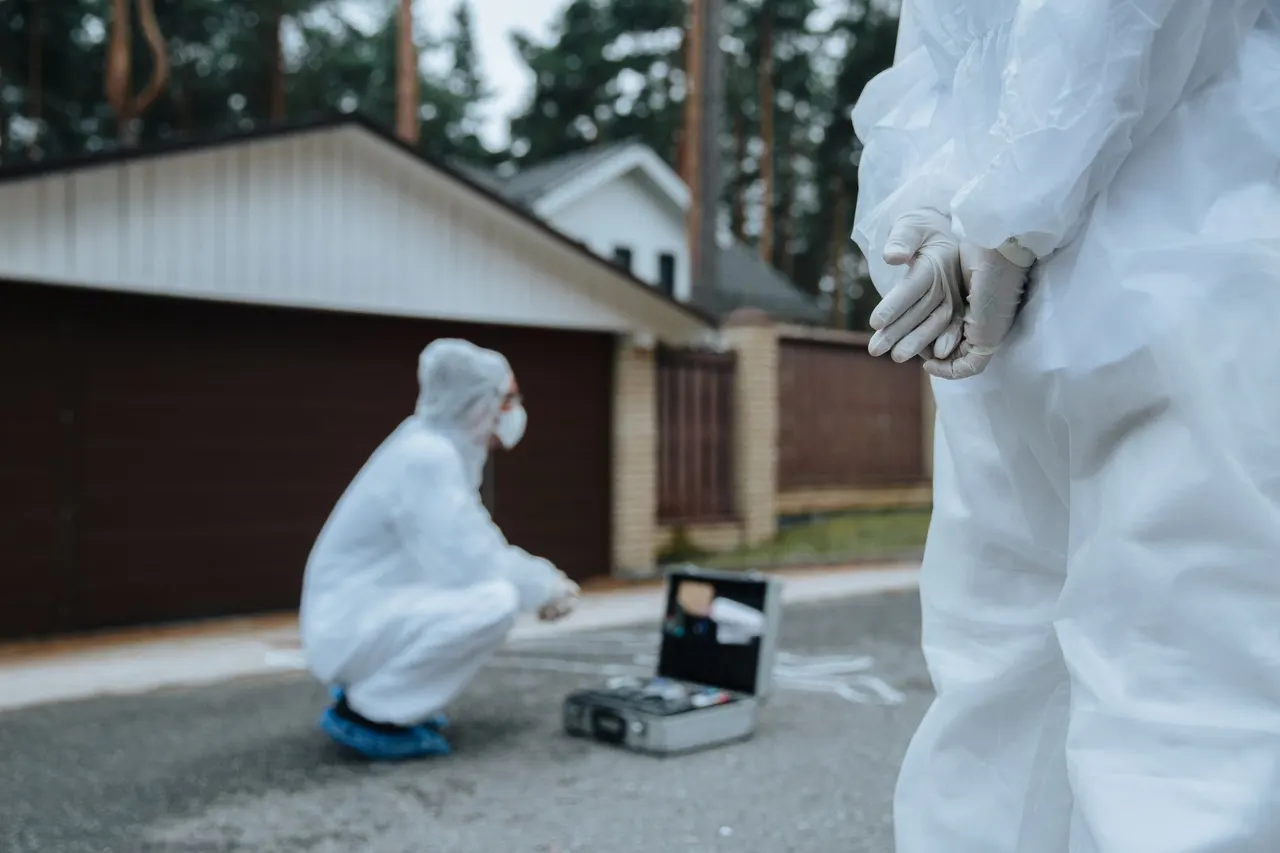 Meter checkThermal scanAcoustic listen
Every inspection covers the full diagnostic process from meter check to written findings. We do not charge extra for thermal imaging or acoustic locating. If the leak turns out to be somewhere other than the slab, we tell you and you do not pay for a slab-specific report you do not need.

We isolate and pressurize the hot supply, cold supply, irrigation and pool loops to confirm which line is losing water. This step separates a slab leak from a water heater or irrigation leak before we spend time on locating.
We use acoustic leak detection equipment to listen for the sound of water escaping under the slab. The microphone picks up the hiss at the break point, and we mark that spot on your floor. This works on copper, PEX and PVC lines.
A thermal imaging camera shows the temperature difference where hot water is warming the slab. We scan the entire floor area and cross-check the thermal reading against the acoustic reading to confirm the exact location.
We use a moisture meter at the slab edge and a pipe locator to map where the lines run. This tells us how deep the pipe sits and whether the leak has already saturated the soil or the stem wall.
You get a written summary with the leak location marked on a floor plan, photos of the thermal and acoustic readings, and repair options with pricing. This documentation is yours to keep and share with your insurance company or your own plumber.
The approach is the same for a home and a business. What changes is the access, the schedule and who needs the paperwork.
We find under-slab leaks in houses, condos and townhomes without tearing up your floor. You get a marked location and a written plan.
We locate slab leaks in offices, retail spaces and multi-unit properties with minimal disruption. You get documentation for your records.
A plain-language look at what Slab Leak Detection involves and when it is needed.
See how it worksSlab Leak Detection in mission viejo is the process of finding a water leak in the pipes that run beneath your home's concrete foundation without breaking the slab open to look. We pressurize the system, isolate the hot and cold lines, then use acoustic leak detection equipment and a thermal imaging camera to hear and see where water is escaping. Most homes we inspect are on post-tension or conventional slabs built from the 1970s through the 2000s, and the pipe material tells us a lot before we even start.
Mission Viejo sits on clay-heavy soil that expands and contracts with our dry summers and wet winters, and that movement stresses copper pipes and older PVC drains until they crack or pinhole. A pinhole leak under a hallway can run for months before you notice. That is why we treat every warm floor, spinning water meter and unexplained bill spike as a slab leak until testing proves otherwise. If you have been searching for professional slab leak detection near me, this is the work we do every week across Orange County.
Finding the leak accurately is what keeps the repair small and the cost down.
Every job follows the same five steps. You will know what we are doing, why we are doing it, and what it costs before we start. Most inspections take two to four hours from arrival to written findings.
We start by asking what you have noticed: warm spots on the floor, the sound of running water when nothing is on, a spike in the water bill, cracks in the drywall. We shut off every fixture and appliance, then watch your water meter to confirm the leak is active. This takes about 15 minutes and tells us whether we are chasing a supply line, a drain line or a pool line.

We isolate the hot and cold supply lines, the irrigation system and any pool plumbing, then pressurize each one with a pressure testing kit. A line that will not hold pressure is the line with the leak. This step separates a true slab leak from a water heater leak, a shower pan leak or an irrigation system leak that only looks like a slab problem.
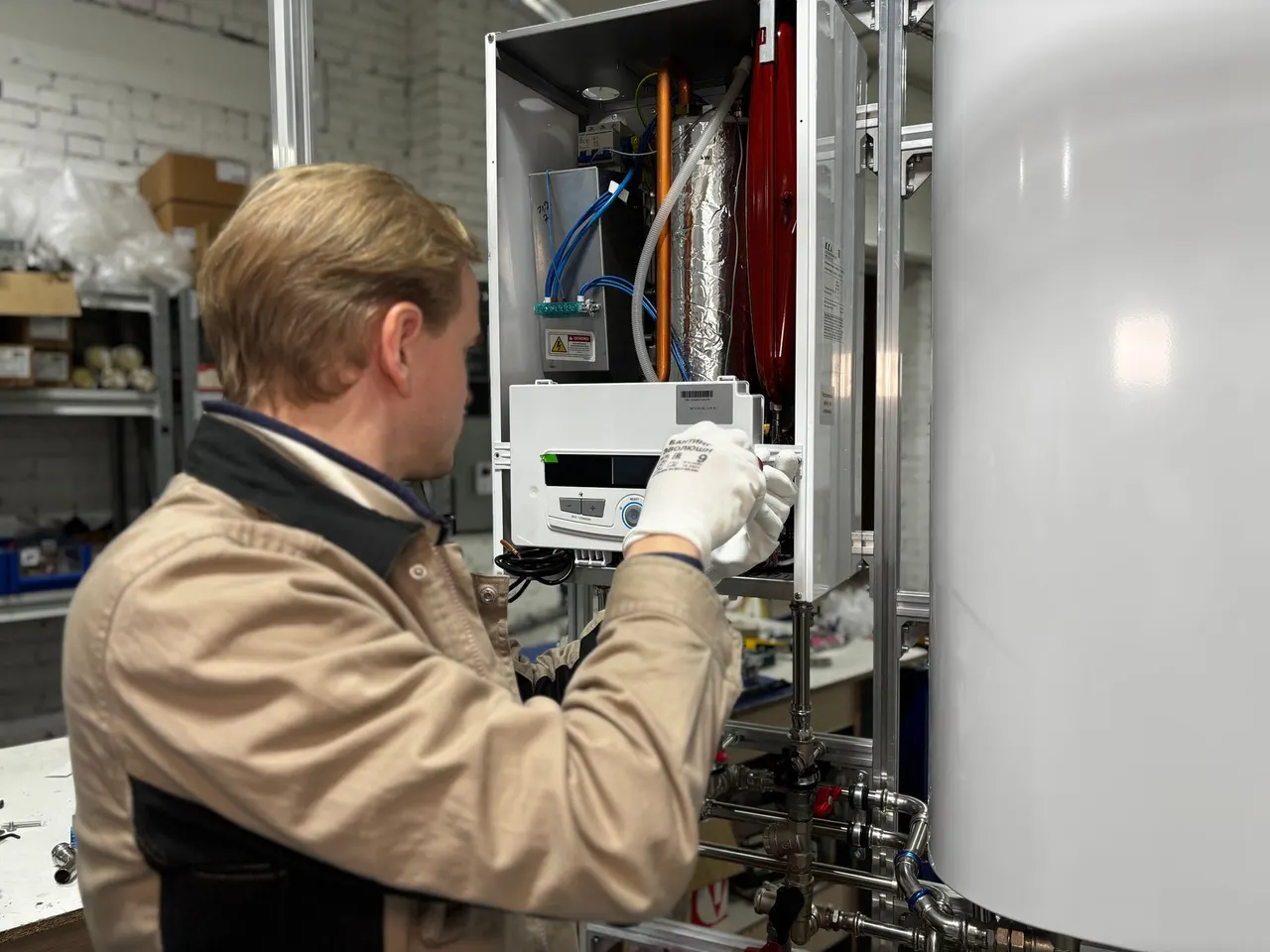
With the leaking line pressurized, we walk the slab with acoustic leak detection equipment and a thermal imaging camera. The acoustic gear picks up the hiss of water escaping under concrete; the thermal camera shows the temperature difference where hot water is warming the slab. We cross-check both readings against a pipe locator so we know exactly which pipe is failing and how deep it sits.
We confirm the leak with a moisture meter and, when the line is accessible, a video pipe inspection camera. Then we mark the spot on your floor with tape and a photo reference. You see the same evidence we see: the meter movement, the thermal image, the acoustic reading. No mystery, no vague 'somewhere under the house' answer.

Before we leave, we give you a written summary: which pipe is leaking, where it is, what caused it, and the repair options with pricing. You decide whether to repair, reroute or repipe. We do not start any repair work without your go-ahead, and we do not charge for the estimate.
Move across a circle, or focus it and press Enter, for an illustrative thermal view of the photograph.

Listens for the sound of water escaping under the slab. We use it to narrow the leak to a small area before we mark the floor.

Shows temperature differences on the floor surface. Hot-water slab leaks appear as warm streaks that we can trace back to the break.

Pressurizes each line individually to confirm which one is losing water. This is how we separate a slab leak from a water heater or irrigation leak.
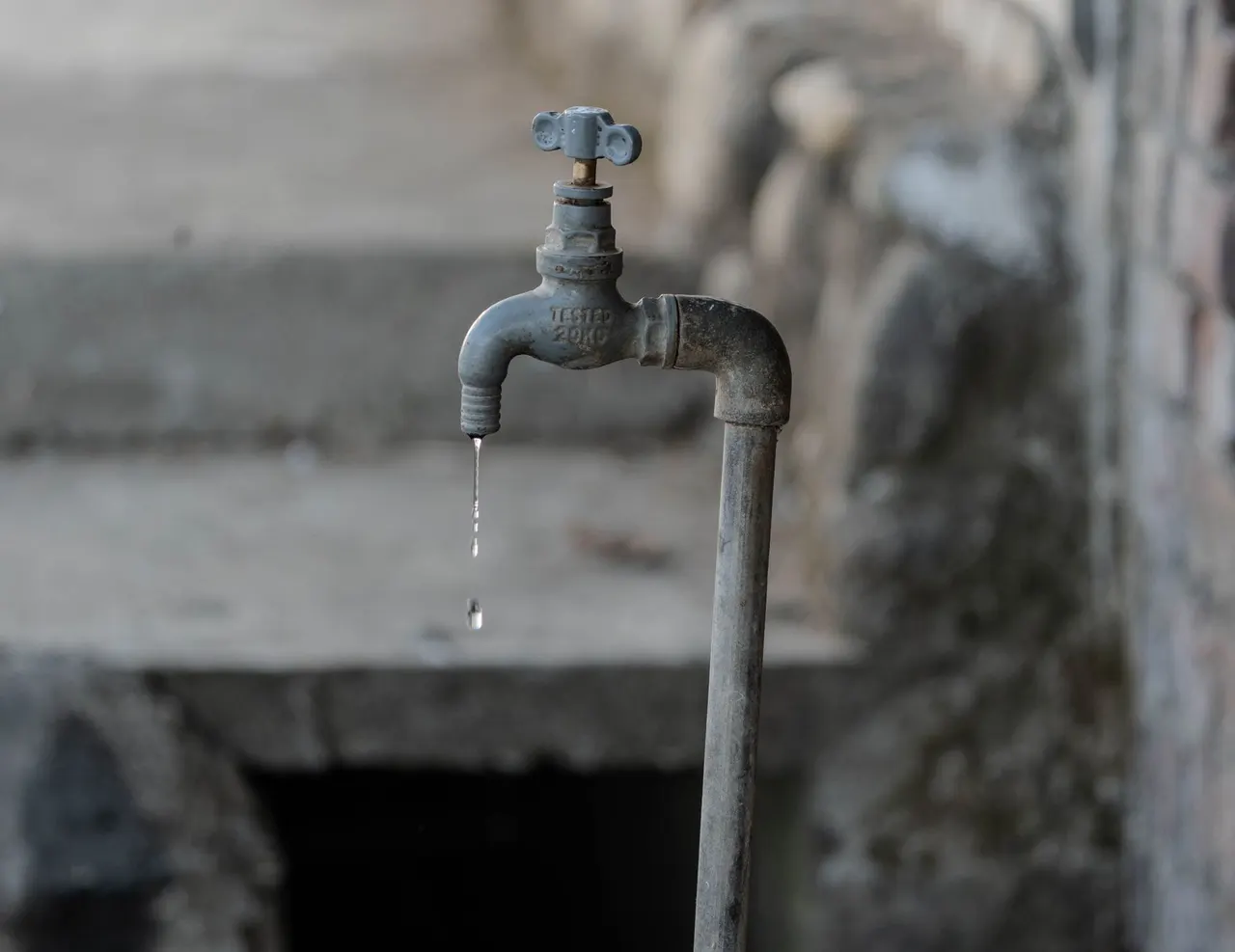
Maps the path and depth of the pipes under the slab so we know exactly which line we are marking and how deep the repair crew will need to cut.
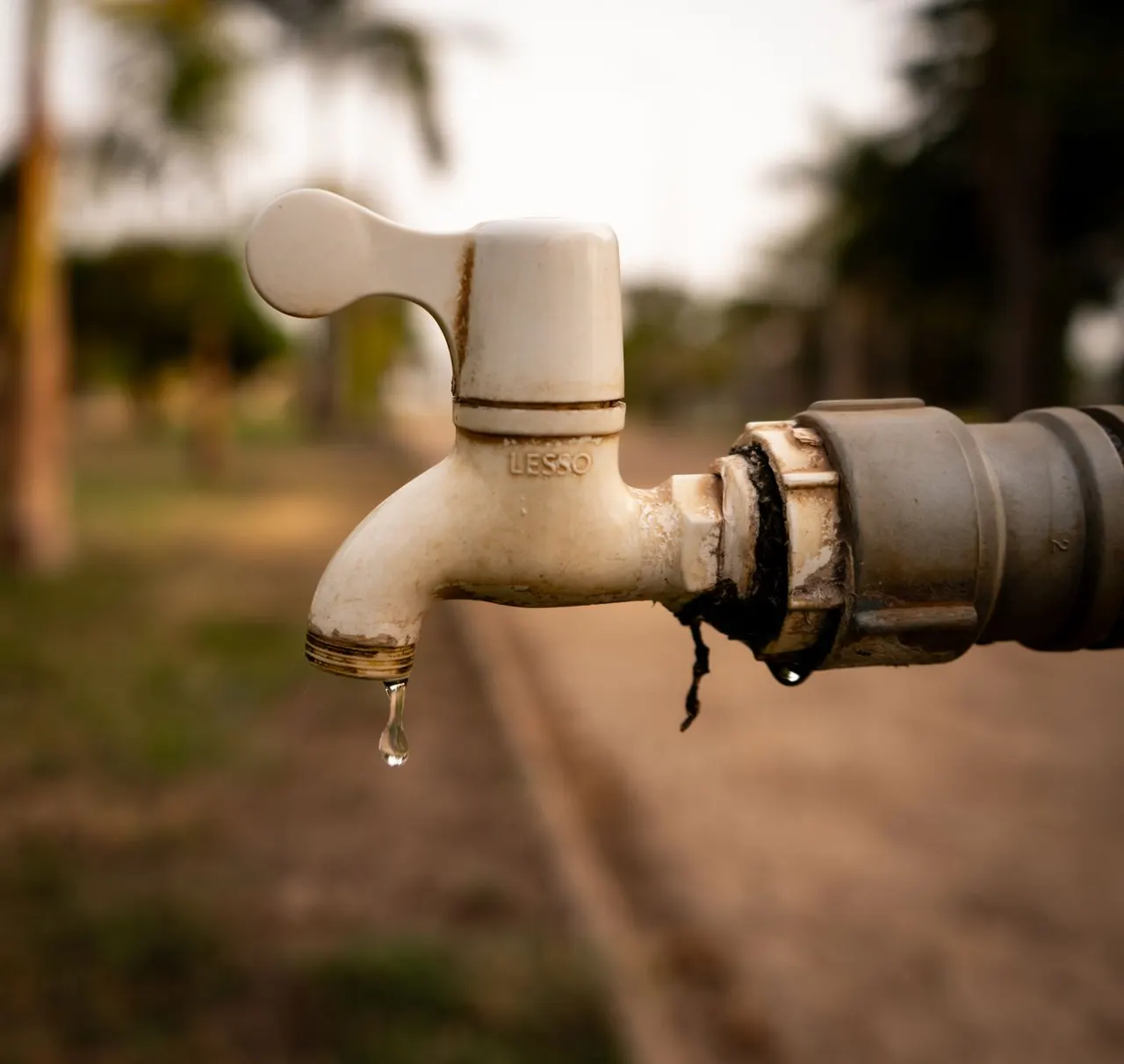
Reads moisture levels at the slab edge and stem wall. High readings tell us the leak has already saturated the soil or the foundation.
Thermal views are illustrative, generated from the photographs.
Lets us look inside drain lines and accessible supply lines to confirm cracks, root intrusion or offset joints that pressure testing alone cannot show.
Used for hard-to-find leaks where acoustic and thermal readings are inconclusive. A safe tracer gas is introduced into the line and detected at the surface.
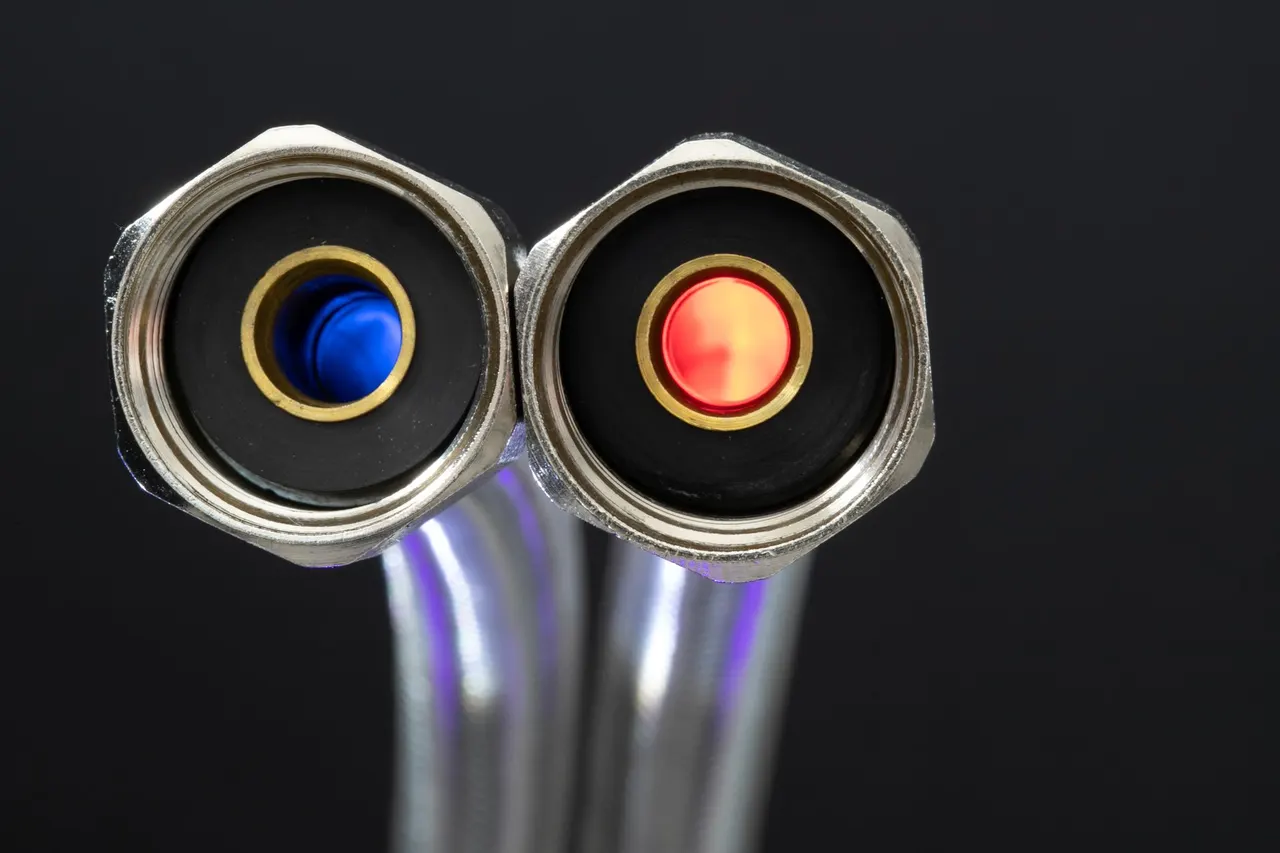
We shut off the water heater and isolate the hot side from the cold side, then pressure-test each separately. This tells us whether the leak is on a hot line, a cold line or a drain. It is the first step in every slab leak inspection we do.
We never mark a leak based on one reading. The acoustic equipment tells us where the sound is loudest; the thermal camera shows where the heat is. When both point to the same spot, we mark it. This cross-check is why our locations are accurate within inches.
We pressurize a line to a known PSI, isolate it and watch the gauge. A line that will not hold pressure has a leak. We repeat this on every line until we find the one that is failing. This method works on copper, PEX and PVC.
For suspected drain leaks under the slab, we introduce leak detection dye into the drain and watch for it to appear in the soil or at a crack. This confirms a drain leak without cutting concrete. It is a simple, low-cost test that saves a lot of guesswork.
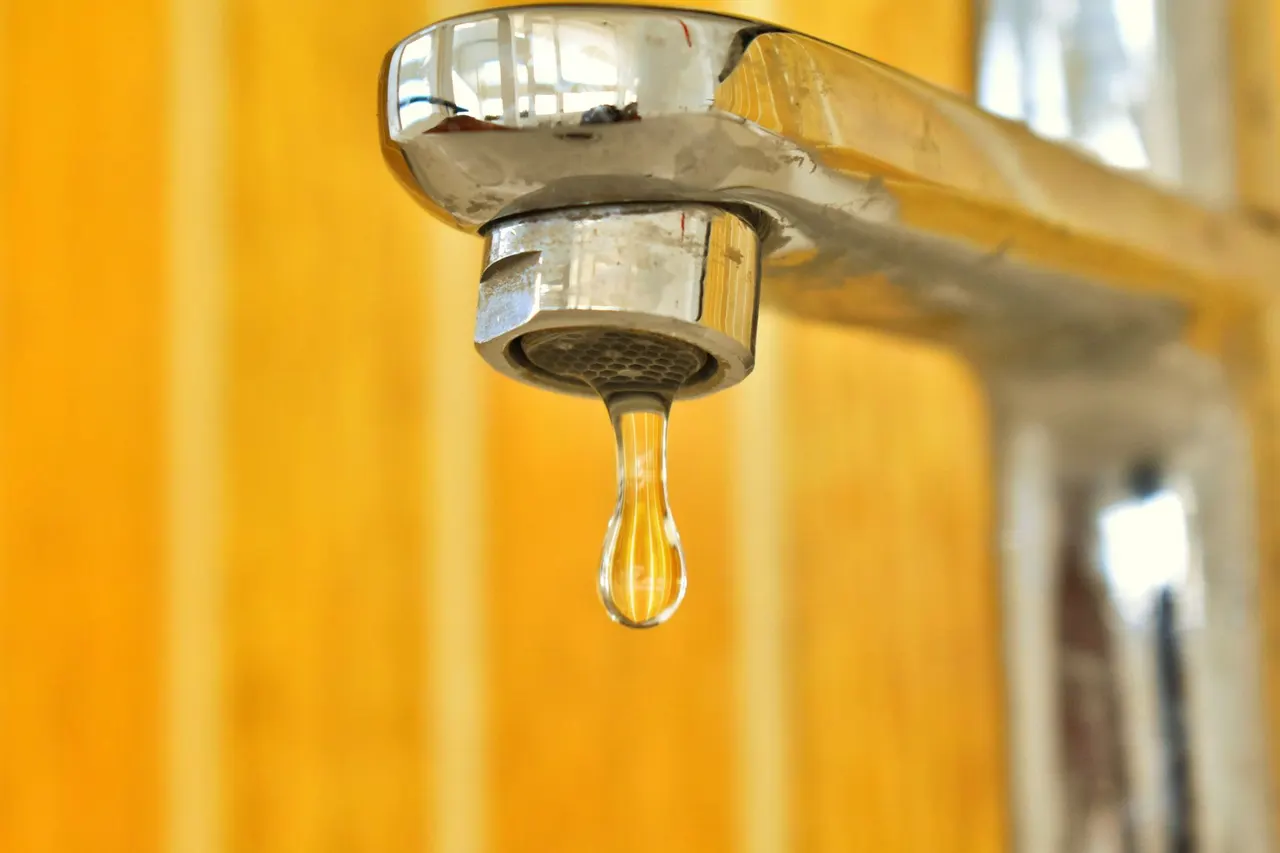
You got a water bill that is double or triple the normal amount, and nothing in the house changed.
We run a full pressure test on every line, isolate the leaking one and locate the break with acoustic and thermal equipment. You get a marked location and a repair plan the same day.
Outcome: Your bill returns to normal after the repair, and you stop paying for water you never used.
Your floor feels warm in one spot, or you hear water running when every faucet is off.
We scan the floor with a thermal imaging camera and confirm the leak with acoustic equipment. We mark the spot and tell you whether it is a hot or cold line.
Outcome: You know exactly where the leak is and how to fix it before the soil under the slab is damaged.
You are buying or selling a Mission Viejo home and the inspection report flags possible slab moisture.
We perform a full slab leak detection inspection and provide written findings with photos. The report is clear enough for a buyer, seller, agent or attorney to understand.
Outcome: The transaction moves forward with a documented answer instead of a contingency or a price reduction.
A previous plumber cut into the slab and did not find the leak.
We re-test every line, use acoustic and thermal locating to find the actual break, and mark it. We also document what the previous cut did and did not expose.
Outcome: You get the right location the second time, and the repair crew opens the correct section of slab.
Your homeowner insurance adjuster needs proof of a slab leak before approving a claim.
We provide a written report with thermal images, acoustic readings, pressure test results and a marked floor plan. The documentation is formatted for insurance review.
Outcome: Your claim moves forward with the evidence the adjuster needs, without a second inspection.
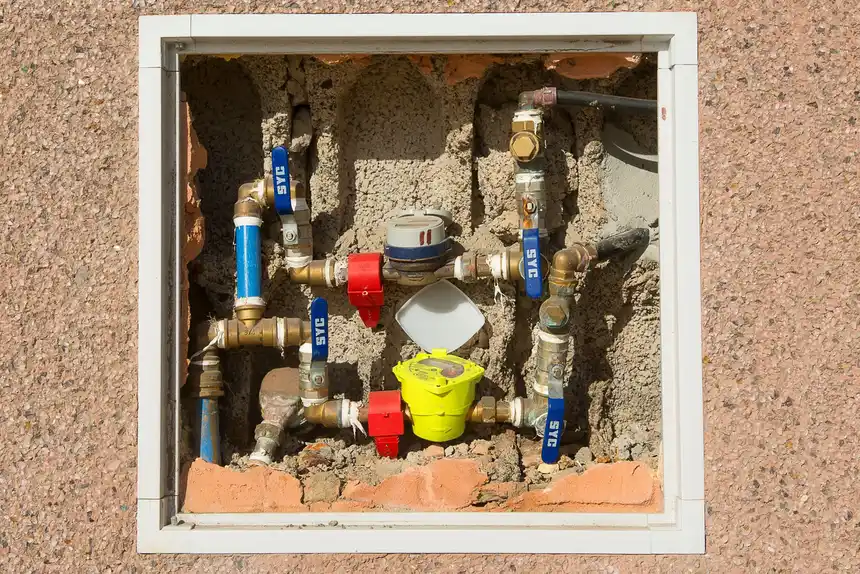
Mission Viejo homes sit on clay soil that swells in winter and shrinks in summer, and that movement is hard on under-slab pipes. Most of the homes we inspect were built between 1970 and 2005, so we see a mix of copper pipes, older PVC drains and PEX repipes. Copper pinholes are the most common slab leak we find, especially on hot-water lines.
If you have been looking for affordable slab leak detection in mission viejo, the cost depends on how many lines we need to isolate and whether the floor is tile, carpet or hardwood. We work across Orange County and know the slab types and pipe materials common to each neighborhood. Winter rain raises the water table and can make an existing leak worse, so we see more active leaks from December through March.
Summer heat expands the soil and stresses older pipes, which is why we also get calls in July and August.

Before: Two plumbers told her the slab would need to be opened in several places to find the leak.
After: We located the leak within 4 inches using acoustic and thermal equipment. The repair crew opened one 2-by-2-foot section, replaced 18 inches of copper pipe and poured new concrete.
We recommended a pressure test every two years and a whole-house repipe evaluation if more pinholes appear. Copper lines that fail once often fail again in the same area.
Before: A Casta del Sol homeowner heard water running at night but could not find it. The water meter spun with everything off. A previous plumber cut into the slab in the wrong room and found nothing.
After: We re-tested every line, isolated the cold supply and located the leak 12 feet from the previous cut. The repair took one day and the meter stopped spinning. The homeowner paid for one small cut instead of a second wrong one.
We suggested a leak detection dye test on the drains and a moisture meter check at the slab edge every spring to catch new leaks early.
Before: A property manager got a call that water was pooling at the base of a wall in a rental home. The tenant was home and the water was spreading. The manager needed an answer fast to authorize a repair.
After: We arrived within three hours, isolated the hot-water line and found a failed fitting under the slab edge. The repair was completed the same day. The tenant stayed in the home and the manager avoided a costly emergency relocation.
We recommended annual pressure testing on the rental property and a written leak detection report for the owner's records.
A slab leak is rarely just a plumbing problem. It affects your bill, your floor, your foundation and your peace of mind. Here are the most common issues we diagnose and resolve for Mission Viejo homeowners.
Accurate detection means a smaller repair and a lower bill.
We mark the leak within inches using acoustic and thermal readings, so the repair crew opens one small section of slab instead of trenching the whole room. On a typical Mission Viejo job that means a 2-by-3-foot access cut rather than a 20-foot trench, which saves you concrete, flooring and days of cleanup.
A slab leak can waste 10,000 to 30,000 gallons a month before you see it. We find the break, isolate it and stop the loss, so your next Mission Viejo Water District bill reflects normal use instead of a leak you cannot see. Most customers see the difference on the very next billing cycle.
Water under a slab softens soil, causes voids and can crack the foundation over time. Catching a slab leak early keeps the soil stable and your home level. We check moisture meter readings at the slab edge and around the stem wall so you know whether the foundation has already been affected.
You get a same-day inspection, a marked leak location, and a written summary of what we found and what it will take to fix it. No guesswork, no pressure, no second trip to re-confirm what we already know. If the leak is under a bathroom or kitchen, we tell you exactly which fixture line is failing.
Clear records you can keep and share.
Leak location and cause summary
Thermal and acoustic reading images
Marked leak location reference
Pricing for each repair path
The line that is leaking changes the repair, the cost and how fast you need to act.
Carries heated water under pressure from the water heater.
Carries unheated supply water under constant pressure.
Carries waste water away, usually by gravity.
A list like this tells people straight away whether you cover their street. Not listed? Call and ask: it only takes a minute.
Based in mission viejo and covering the places around it. Pick one for local details.
That fee covers the full inspection, acoustic and thermal locating, and written findings. If you hire us for the repair, we credit the detection fee toward the work. Emergency calls after hours may carry a higher rate.
The most common signs are a water bill that jumps without extra use, the sound of running water when every fixture is off, warm spots on the floor, and cracks in tile or drywall that were not there before. If your water meter spins with everything shut off, you have a leak. We confirm whether it is under the slab or somewhere else with pressure testing and acoustic locating.
Yes, in many cases. If the leaking section is accessible, we can reroute the line through the attic or walls and abandon the under-slab pipe, which avoids cutting concrete entirely. For a short section directly under the slab, a targeted access cut is usually the fastest fix. We explain both options and let you choose based on cost, flooring and how long you plan to stay in the home.
The right company is the one that shows you the evidence before asking for a repair decision. Ask whether they use acoustic and thermal equipment, whether they provide written findings, and whether they do detection only or also sell the repair. We do detection only, we document everything, and we have local experience with Mission Viejo clay soil and post-tension slabs.
Other services from the same team.
If your water bill jumped or your floor is warm, the leak is already running. Call us and we will find it, mark it and give you a written repair plan the same day. Same-day and emergency appointments available across Mission Viejo and Orange County.
Call us at +1 (555) 123-4567 or email [email protected]. Our office is in Mission Viejo, California, and we serve all of Orange County. If you need leak detection near me mission viejo CA, we're ready to help.