For Homes
We inspect your lateral from the cleanout to the city main. You watch the monitor with us and see exactly what is happening underground.
- Slow drains and gurgling toilets
- Soggy yard or sewage smell
- High water bill with no explanation
Sewer Line Leak Detection in mission viejo is the fastest way to stop a failing lateral before it undermines your slab or lawn. We run a video pipe inspection camera through the line, mark the exact break depth, and tell you whether a spot repair or full replacement makes sense. Homeowners in Orange County call us when the cleanout gurgles, the yard stays soggy, or the water bill jumps.
 Camera inspectionSurface markingWritten report
Every Sewer Line Leak Detection in mission viejo call includes the full diagnostic package. We do not charge extra for the camera, the locator, or the written report. Here is what you get when you book an inspection with us.
We run a RIDGID or General Pipe Cleaners video pipe inspection camera through the entire lateral from the cleanout to the city main. You watch the monitor with us and see every crack, root, and offset joint in real time.
We trace the lateral path with a pipe locator and mark the break on the surface with paint or flags. You get the distance from the cleanout and the depth, so the repair crew knows exactly where to dig.
If the camera view is ambiguous, we confirm the leak with acoustic leak detection equipment or a tracer gas leak detector. This second tool eliminates false positives and confirms the leak is active.
Before we leave, you get a written summary of what we found, where it is, and what repair options make sense. We include the camera footage link and the marked location. No pressure, no same-day decision required.
If the line needs repair, we provide an itemized quote on the spot: excavation, pipe material, labor, and restoration. The quote is good for 30 days. You can schedule the repair whenever you are ready.
The approach is the same for a home and a business. What changes is the access, the schedule and who needs the paperwork.
We inspect your lateral from the cleanout to the city main. You watch the monitor with us and see exactly what is happening underground.
We camera the lateral and provide written findings for property records. We schedule around your business hours to avoid disruption.
A plain-language look at what Sewer Line Leak Detection involves and when it is needed.
See how it worksSewer Line Leak Detection in mission viejo is the process of locating a break, crack, or root intrusion in the pipe that carries waste from your home to the city main. We do not dig first. We feed a video pipe inspection camera through the cleanout, watch the footage on a monitor, and mark the exact distance and depth on the surface. From there we confirm with acoustic leak detection equipment and a pipe locator so the repair crew knows precisely where to open the ground.
Mission Viejo homes built from the late 1960s through the 1990s often sit on original clay or cast iron laterals that have shifted with our clay soils and tree roots. A sewer line leak detection services mission viejo call usually starts with a slow drain, a sewage smell in the yard, or a wet patch that never dries. If you need sewer line leak detection near me mission viejo CA, we can be on-site the same day and tell you what is actually happening underground.
A camera inspection shows you the problem before anyone digs.
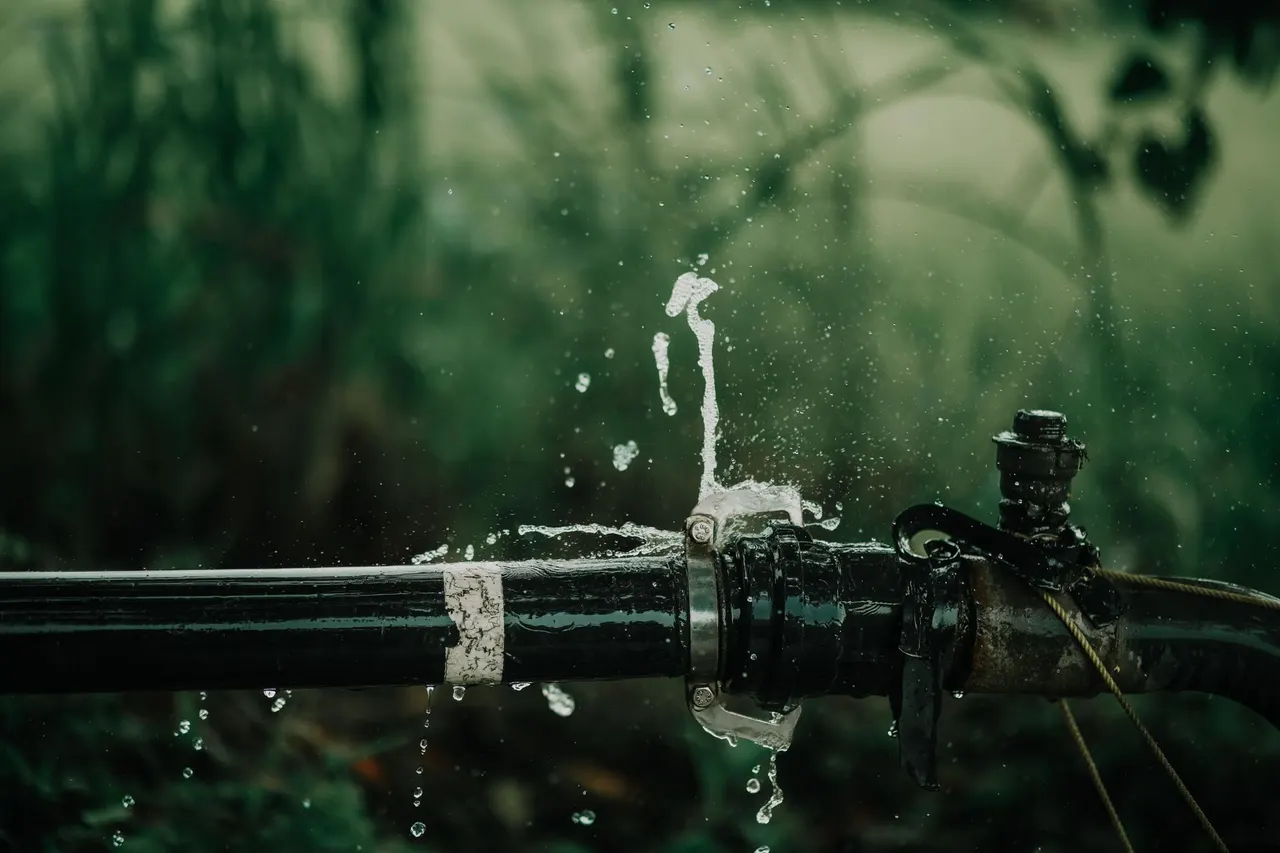
You will know what is happening at every step. Here is the exact sequence we follow on a Sewer Line Leak Detection in mission viejo call, from the first walk-through to the final test.
We start by asking what you have noticed: slow drains, gurgling toilets, a smell in the yard, a spike in the water bill. Then we walk the property with you and note the cleanout location, the sewer route, and any wet or sunken spots. This takes about 10 minutes and tells us where to focus.

We pull the cleanout cap and feed a RIDGID video pipe inspection camera down the lateral. You watch the monitor as we move through the line. We note the distance reading when we hit a crack, root intrusion, offset joint, or bellied section. Most runs take 20 to 40 minutes depending on line length.
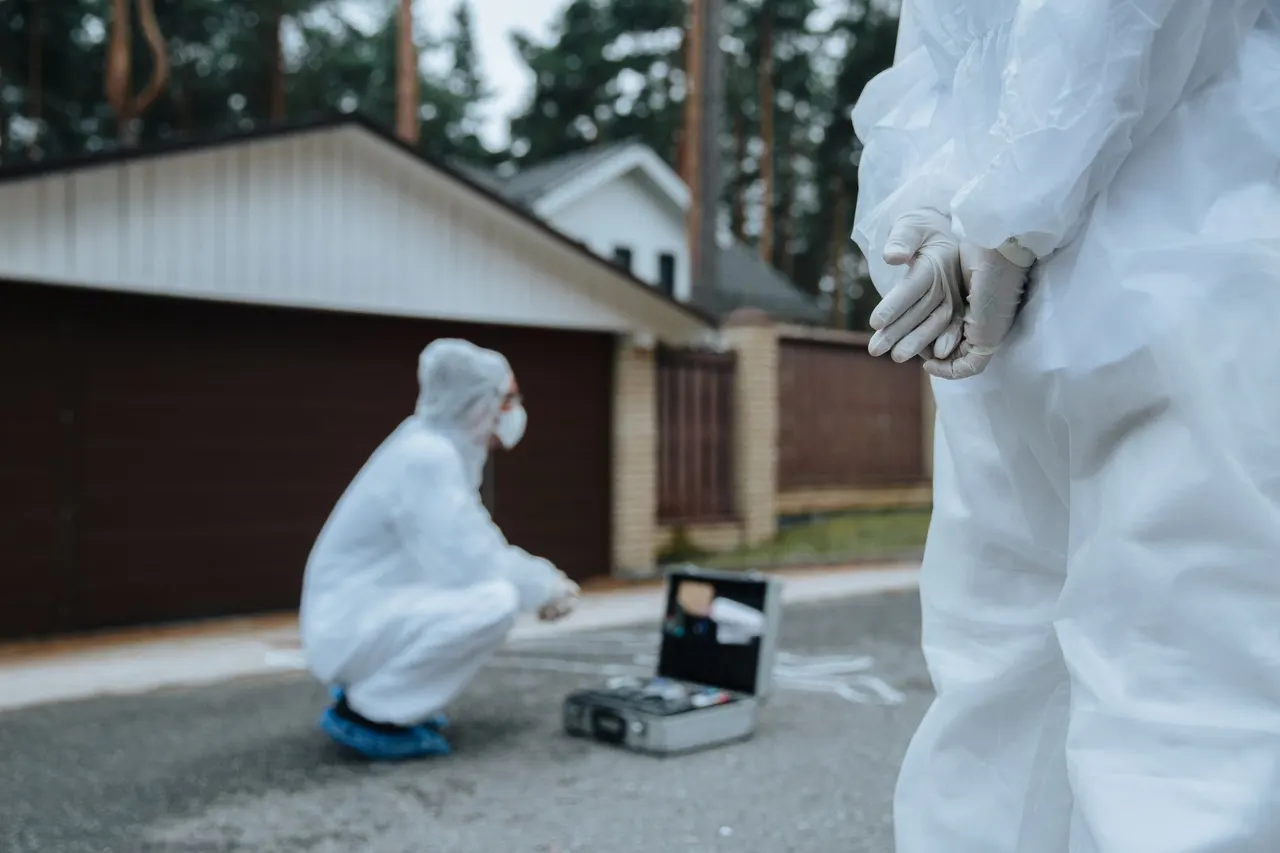
Once we see the problem on camera, we use a pipe locator to trace the lateral path and mark the break on the surface with paint or flags. We record the depth so the excavation crew knows exactly how deep to dig. You get a clear picture of where the issue sits relative to your slab, driveway, or landscaping.
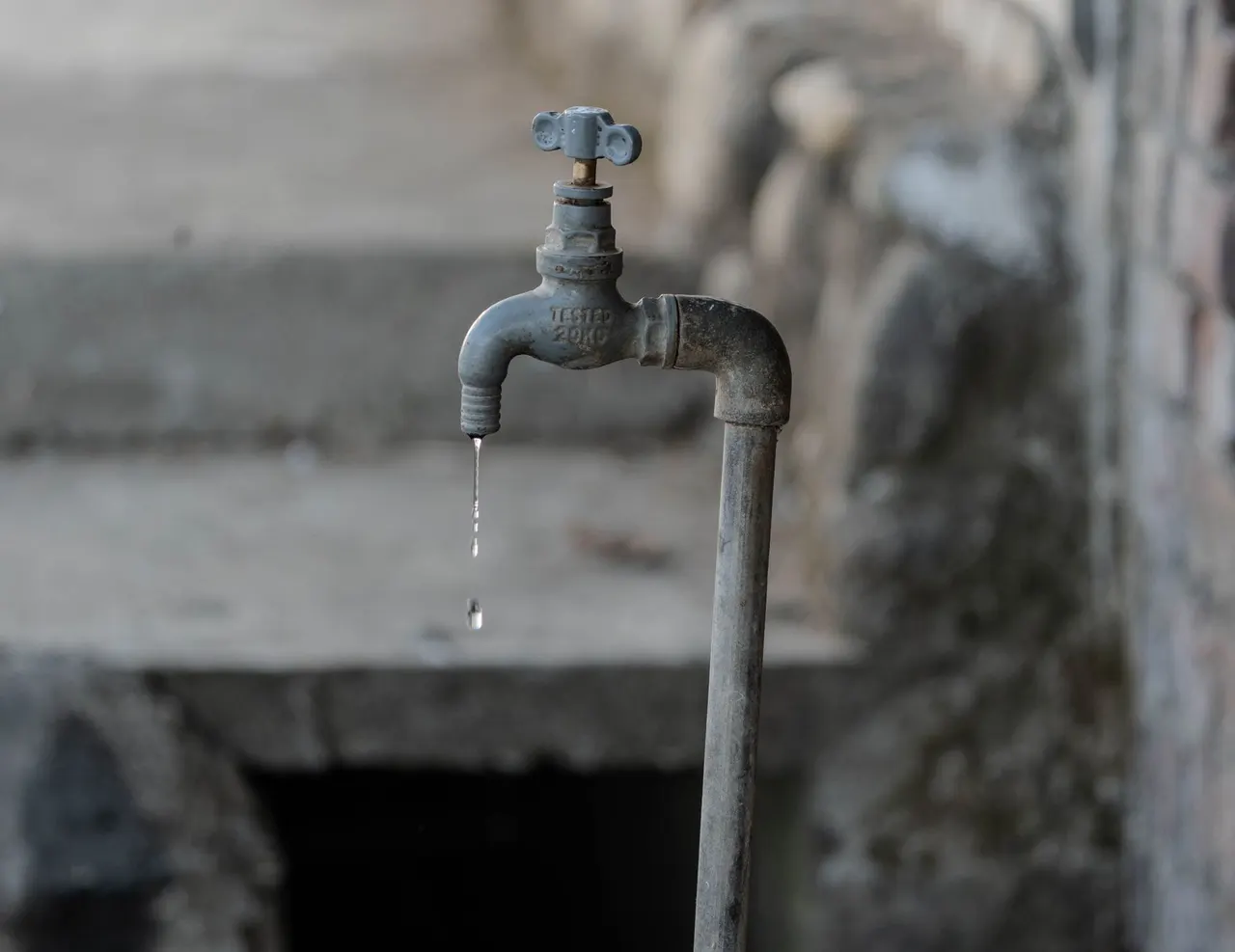
We confirm the leak with acoustic leak detection equipment or a tracer gas leak detector if the camera view is ambiguous. A pressure testing kit may be used on the lateral to verify the extent of the breach. This step separates a confirmed diagnosis from a guess.
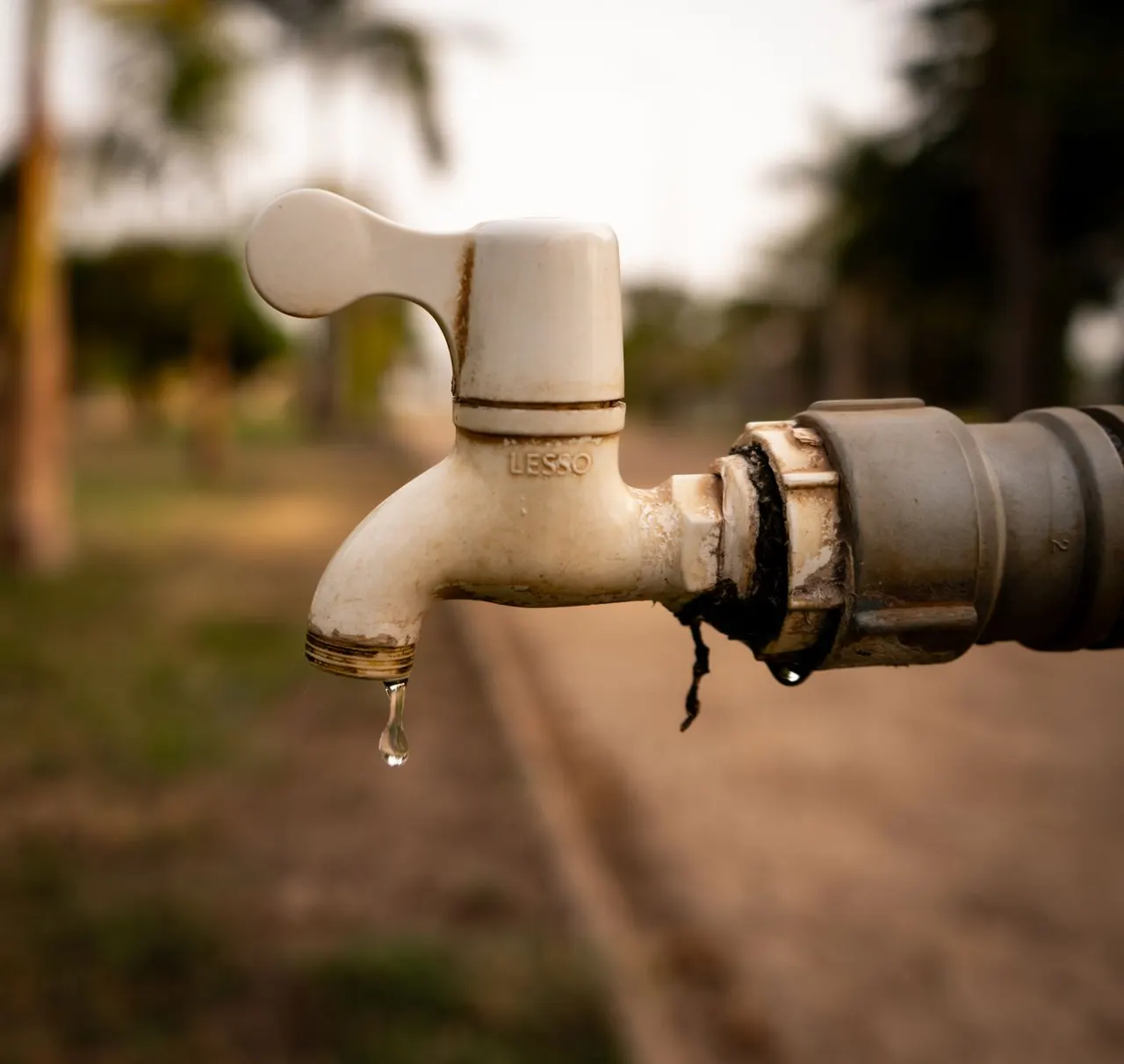
Before we leave, we give you a written summary: what we found, where it is, how deep, and what repair options make sense. You get the camera footage link and the marked location. No pressure to decide on the spot. Call us back when you are ready and we schedule the repair.
Move across a circle, or focus it and press Enter, for an illustrative thermal view of the photograph.
Feeds through the cleanout to show the inside of the lateral on a monitor. Records footage and distance readings for the written report.
Backup camera unit for larger lines or longer runs. Used when the primary camera cannot reach the city main.
Listens for the sound of water escaping under pressure. Confirms the leak location when the camera view is ambiguous.
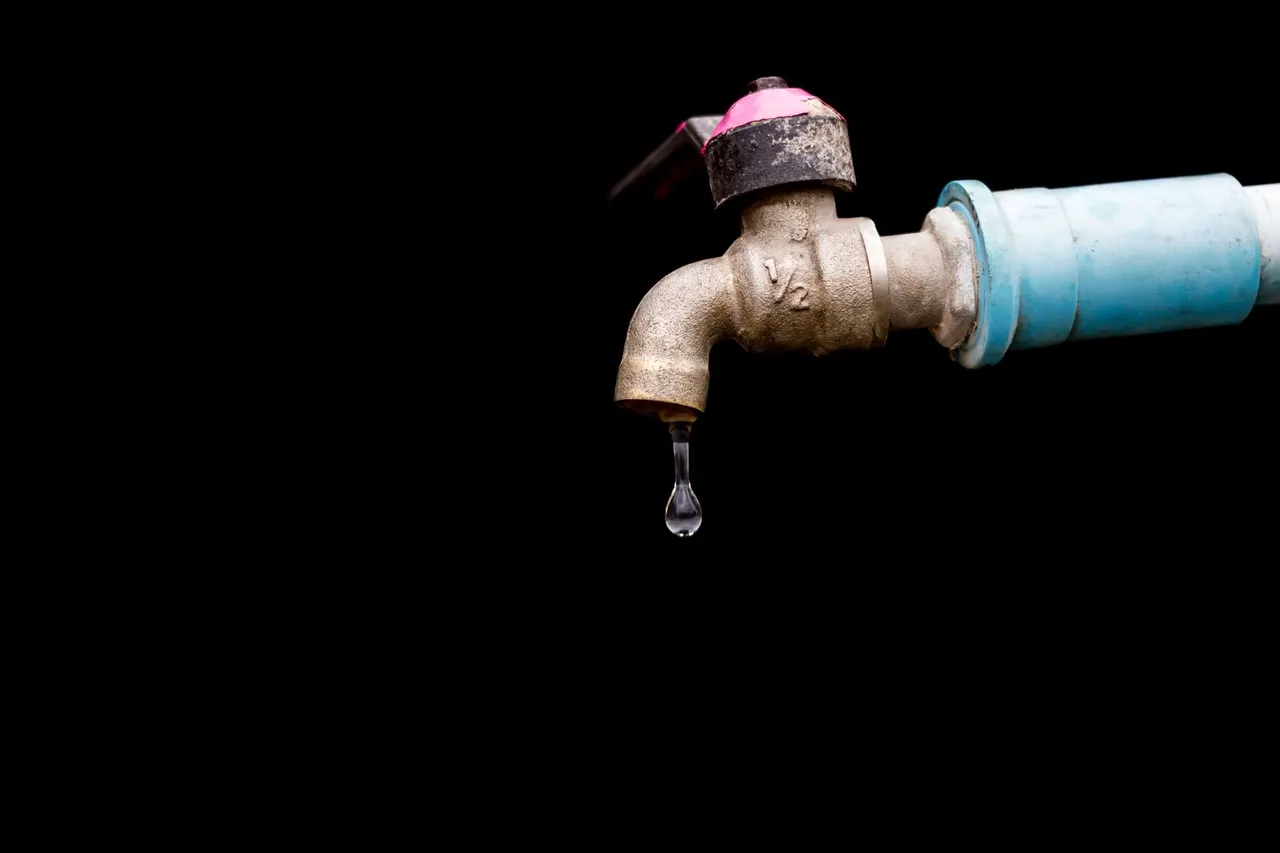
Detects temperature differences caused by subsurface water movement. Used to scan slabs and walls for hidden leaks.
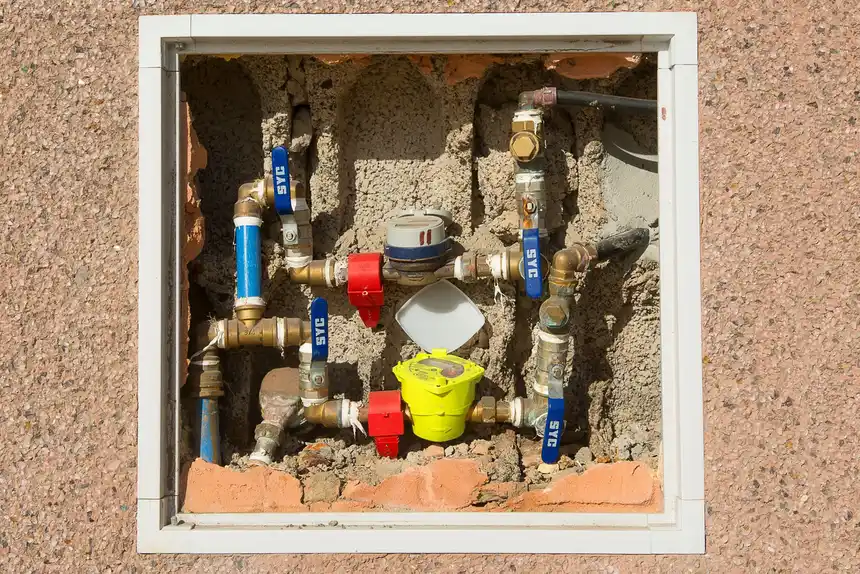
Traces the lateral path underground and marks the break on the surface. Gives depth and distance from the cleanout.
Thermal views are illustrative, generated from the photographs.
Pressurizes the lateral to confirm the extent of the breach. Separates a small crack from a full-section failure.
Introduces a safe tracer gas into the line and detects where it escapes. Used when camera access is blocked or the leak is under a slab.
We never quote a repair without camera footage. The camera shows the pipe material, the break type, and the exact location. You see the same footage we do before we recommend anything.
After the camera locates the problem, we confirm with acoustic equipment. This step eliminates false positives from camera shadows or debris and confirms the leak is active.
We mark the break on the surface with paint or flags and record the depth. The repair crew uses these marks to open a single, targeted trench instead of digging up the whole yard.
After any repair, we run water through the line and camera it again to confirm proper flow. We do not backfill until the line passes. You get a written confirmation that the repair is complete.
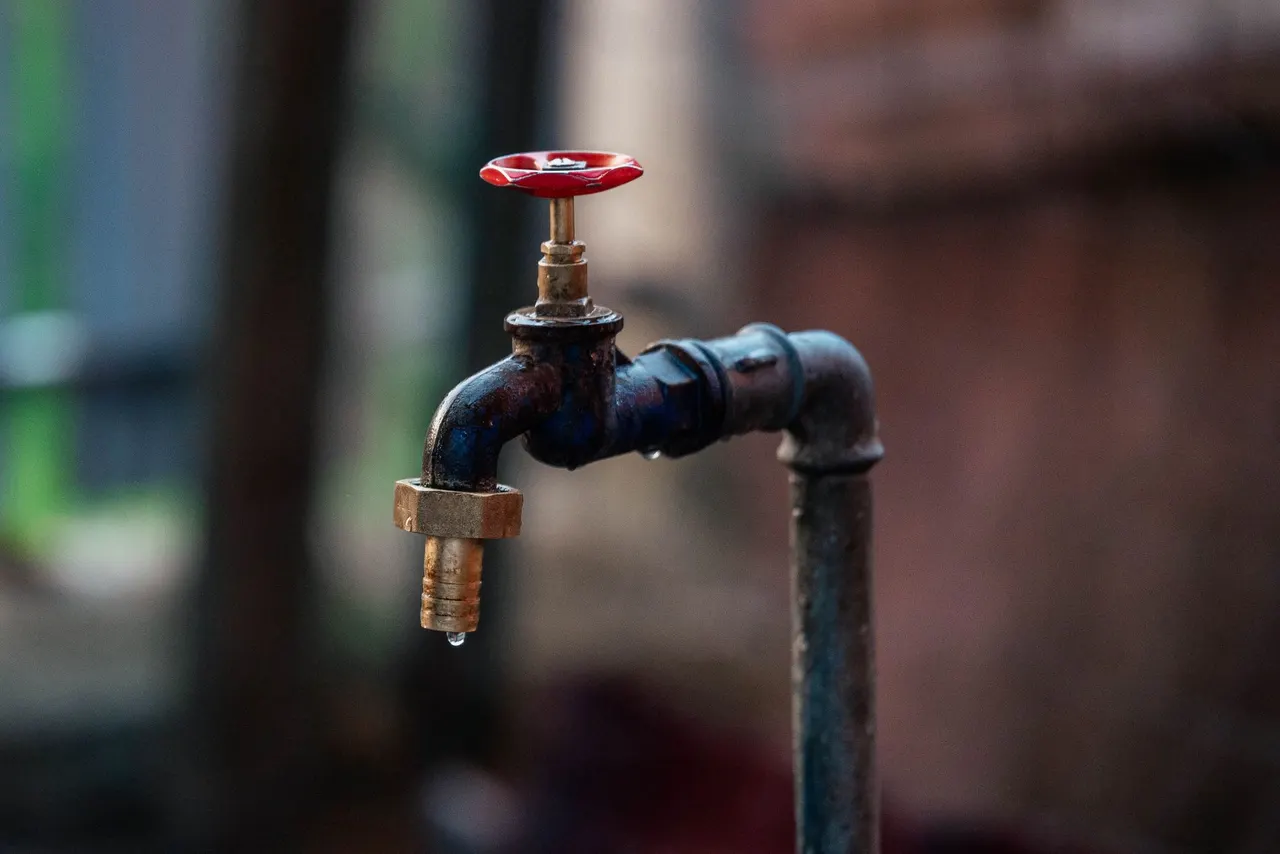
You notice a soggy patch in the yard that never dries, even in summer.
We run a camera through the cleanout and trace the lateral path with a pipe locator. If the camera shows a break or root intrusion at the wet spot, we mark it and confirm with acoustic equipment. You get a written report and a repair quote the same day.
Outcome: You know exactly where the leak is and what it will cost to fix. No more guessing, no more watching the swamp grow.
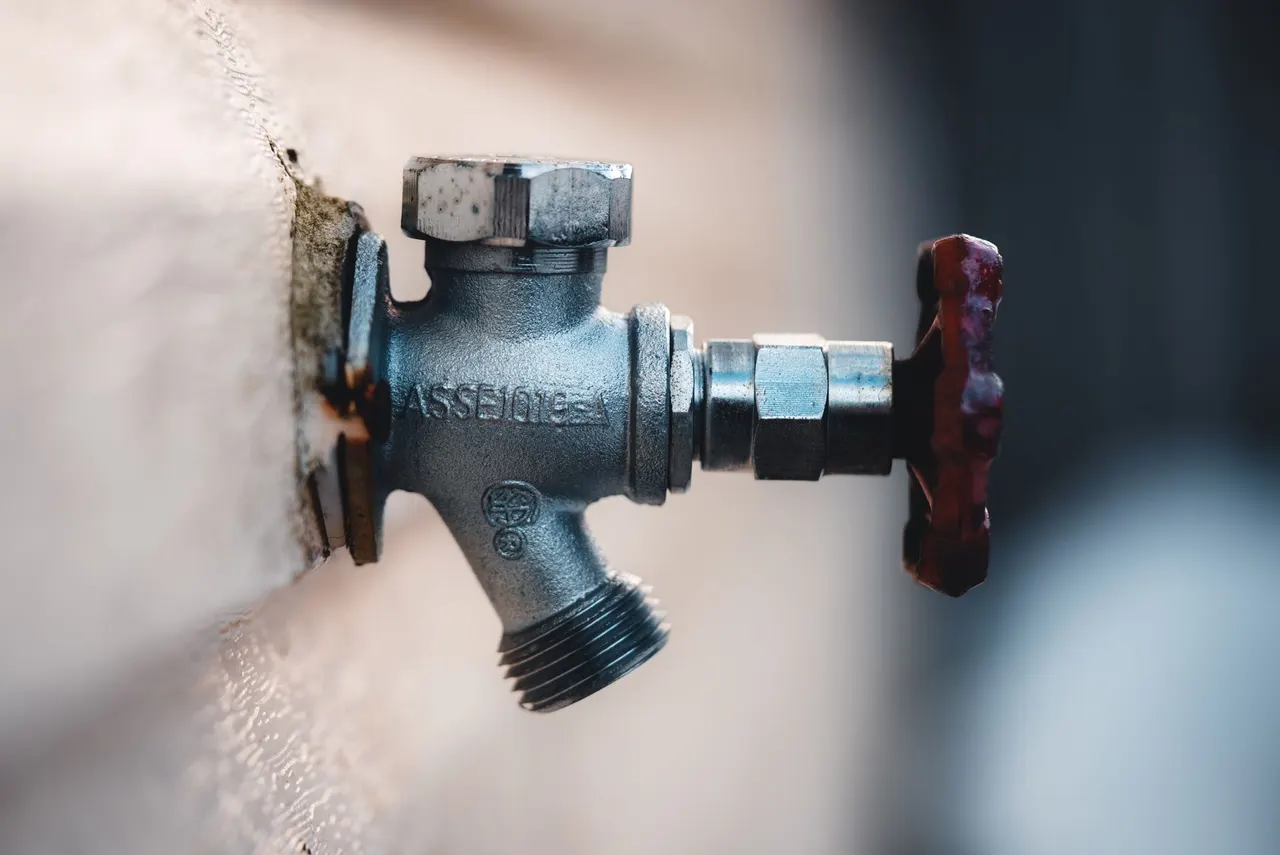
We test the irrigation system first with a pressure testing kit, then camera the sewer lateral if the irrigation is clean. A sewer leak can lose hundreds of gallons a day into the soil without surfacing. We find it and mark it.
Outcome: You stop paying for water that is going into the ground. The repair is targeted to the exact break location.
Drains are slow, toilets gurgle, and you have already snaked the line twice.
Repeated clogs usually mean a structural problem, not just buildup. We camera the line to see what the snake is missing: a root mass, a collapsed section, or a belly that collects waste. We mark the problem and recommend the right fix.
Outcome: You stop paying for repeat drain cleaning and fix the actual cause. Most structural repairs last decades.
You smell sewage in the yard or near the foundation.
We camera the lateral and check the cleanout for backup. If the smell is coming from a break in the line, we locate it with the camera and confirm with a tracer gas leak detector. If the smell is from a dry trap or vent issue, we tell you that too.
Outcome: You get the right diagnosis the first time. No unnecessary excavation for a problem that is not in the sewer line.
You are buying a home in Mission Viejo and the seller has no sewer records.
We run a pre-purchase camera inspection on the lateral and give you a written report with footage. You see the pipe material, the condition, and any existing problems before you close. The inspection takes under an hour.
Outcome: You negotiate from a position of knowledge. If the line needs work, you know the cost before you sign.

Mission Viejo sits on clay soil that expands when wet and shrinks when dry. That movement shifts pipe joints and cracks older laterals over time. Most homes here were built between the late 1960s and the 1990s, so we see a mix of original clay, cast iron, and Orangeburg pipe alongside newer PVC and PEX. The city also has mature trees, and roots find every joint gap.
When you call for sewer line leak detection in mission viejo, California, we start with a camera inspection because the pipe material tells us what kind of failure to expect. Clay cracks. Cast iron corrodes. PVC pulls apart at couplings. If you need sewer line leak repair mission viejo, California, we handle the excavation and replacement with code-correct materials.
We pull permits when required and follow Orange County plumbing code on every job.

Before: A homeowner in Lake Mission Viejo had a soggy patch in the backyard for six months. Two plumbers told them it was irrigation.
After: We ran a camera and found a cracked clay lateral 18 inches down. We marked it, replaced a 6-foot section with PVC, and tested flow. The yard dried out in a week. The water bill dropped back to normal the next cycle.
We recommended a root inhibitor treatment once a year and a camera check every two years to catch new joint shifts early.
Before: A Painted Trails homeowner had snaked the main line three times in 18 months. Each time the clog came back within a few months. The drain was slow, and the cleanout gurgled when the washing machine drained.
After: Camera inspection showed a belly in the lateral that collected waste. We excavated the sagging section, re-bedded the pipe with proper slope, and replaced 10 feet of PVC. No clogs in the two years since.
We suggested annual camera checks for the first two years and avoiding harsh chemical drain cleaners that can damage the pipe.
Before: A Casta del Sol resident smelled sewage near the foundation for weeks. The smell was strongest in the morning. No visible wet spot, but the smell was getting worse and they worried about a slab leak.
After: We camera-inspected the lateral and found a root intrusion at a joint 25 feet from the cleanout. Roots had cracked the clay pipe. We replaced the section, sealed the joint, and the smell was gone the same day.
We applied a foaming root inhibitor and recommended re-treatment every 12 months to keep roots out of the new pipe.
Most sewer line leaks in Mission Viejo fall into a handful of categories. We diagnose each one with camera footage and confirm with a second tool before recommending repair. Here are the problems we see most often.
You see the problem on camera before you pay for a repair.
We mark the break on the surface to within a foot using a pipe locator and camera footage. That means the excavation crew opens one small trench instead of digging up half your yard. Most locates take 45 to 90 minutes from arrival to marked ground.
Call before noon and we can usually run a sewer line camera inspection Mission Viejo the same afternoon. You watch the monitor with us, see the crack or root mass, and understand the repair before anyone quotes a number. No mystery, no pressure.
If a 6-foot section of PVC is cracked, we say so and quote a spot repair. If the whole lateral is collapsed clay, we tell you that too. We give you the honest call on sewer leak repair mission viejo CA so you are not paying for a replacement you do not need.
A sewer leak under a slab can erode soil and cause foundation movement that costs far more than the pipe fix. Finding it early with thermal imaging camera scans and pressure testing kit readings keeps the damage in the hundreds instead of the tens of thousands.
Clear records you can keep and share.
Video link of the full lateral inspection
Findings, location, and depth of the break
Paint or flags on the surface
Itemized cost if repair is needed
Most laterals fall into one of three condition categories. The camera tells us which one you have.
Pipe is structurally sound with minor buildup
Pipe has issues that need monitoring or minor repair
Pipe has structural failure requiring repair or replacement
A list like this tells people straight away whether you cover their street. Not listed? Call and ask: it only takes a minute.
Based in mission viejo and covering the places around it. Pick one for local details.
The inspection fee is separate from repair costs. We give you the flat rate before we start, and if you proceed with the repair through us, we credit the inspection fee toward the job.
The most common signs are a sewage smell in the yard, soggy patches that never dry, gurgling drains, and a water bill that climbs without explanation. If you see any of those, call us for a camera inspection. We can confirm a leak in under an hour and mark the exact location on your property.
Sometimes. Small cracks and joint separations can be repaired with pipe lining or epoxy sealant applied through the cleanout, no excavation required. Full collapses, bellies, and root-blocked clay lines usually need open excavation. We tell you which category your line falls into after the camera inspection. No guesswork.
We do. Our team handles both diagnosis and repair, from the camera inspection through excavation and final flow test.
Other services from the same team.
If your yard is soggy, your drains are slow, or your water bill jumped, call us. We run a camera the same day, mark the break, and give you a written report before you spend a dime on repair.
Call us at +1 (555) 123-4567 or email [email protected]. Our office is in Mission Viejo, California, and we serve all of Orange County. If you need leak detection near me mission viejo CA, we're ready to help.