For Homeowners
We find leaks under slabs, in walls, and under floors. You get a written report with photos and repair options.
- High water bill
- Warm spot on floor
- Cracks in drywall
Foundation Leak Detection in mission viejo is the fastest way to stop a small water leak from becoming a five-figure foundation repair. If you have a high water bill, a warm spot on the floor, or a crack that keeps growing, our team pinpoints the source with acoustic and thermal tools. We serve homeowners across Orange County with same-day appointments and honest pricing.
 Pressure testThermal scanAcoustic listen
Every inspection covers the full diagnostic process, from pressure testing to a written report. We do not charge extra for thermal imaging or acoustic scanning. Here is what you get when you book us.
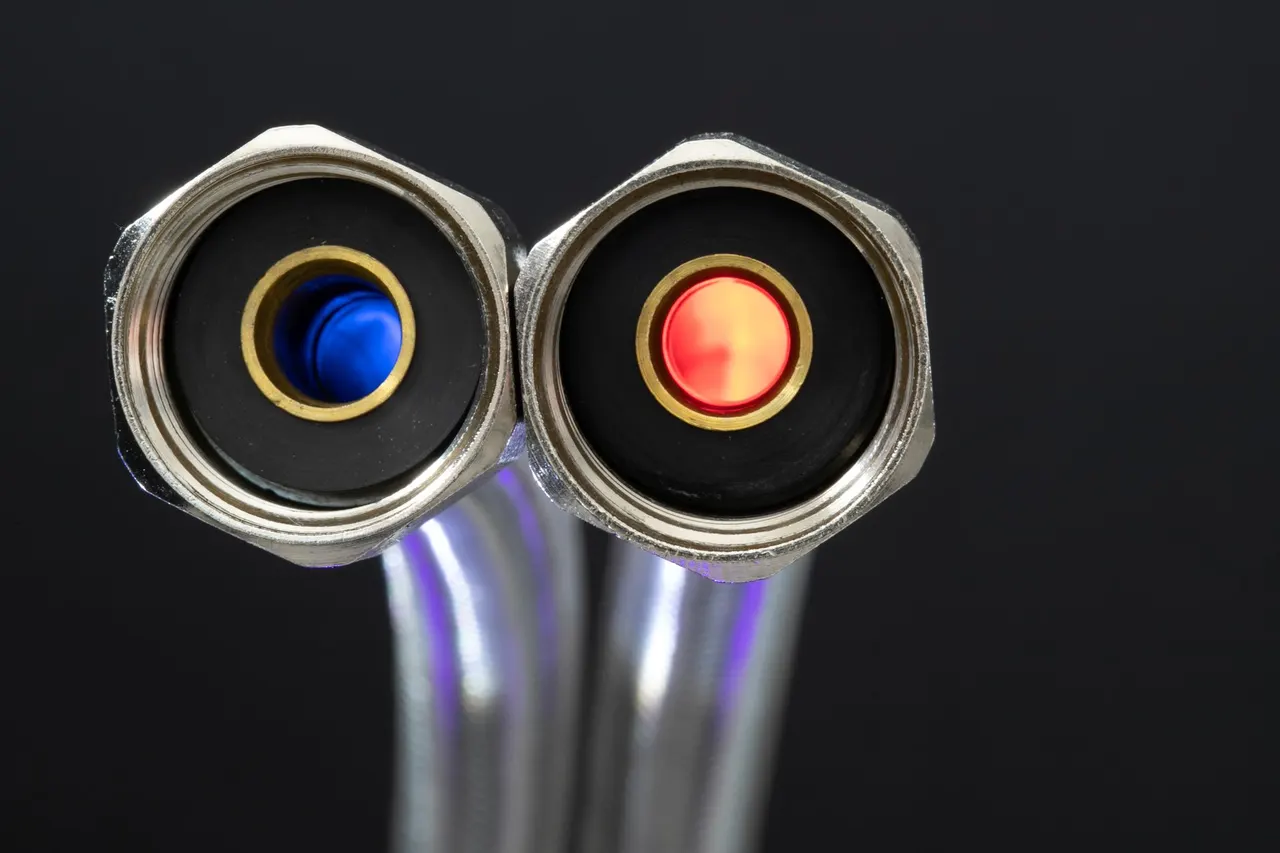
We isolate the supply system and pressurize it to check for hidden leaks. A dropping gauge tells us the leak is on the pressurized side. This step takes 20 to 30 minutes and is the fastest way to confirm a leak exists.
We use a Sewerin acoustic microphone to listen for the sound of water escaping a pipe. The microphone amplifies the hiss and helps us narrow the leak to a small area. We scan all accessible floors and walls.
A Fluke thermal imaging camera shows temperature differences caused by moisture under the slab. We walk the entire house and mark any suspect areas. This step is non-invasive and takes 30 to 45 minutes.
We confirm suspect areas with a moisture meter. The meter reads the water content in flooring and concrete. A high reading confirms the thermal camera's finding and helps us rule out false positives.
You get a written report showing the leak location, pipe material, and repair options. We include photos of the thermal images and moisture readings. This report is yours to keep and share with your insurance company or other contractors.
The approach is the same for a home and a business. What changes is the access, the schedule and who needs the paperwork.
We find leaks under slabs, in walls, and under floors. You get a written report with photos and repair options.
We work with property managers and business owners to find leaks fast. We minimize disruption to your operations.
A plain-language look at what Foundation Leak Detection involves and when it is needed.
See how it worksFoundation Leak Detection in mission viejo is a diagnostic service that uses acoustic listening equipment, thermal imaging cameras, and pressure testing to find water escaping from pipes under or near your slab. We do not guess. We pressurize the system, watch for pressure loss, then walk the house with a moisture meter and infrared camera until we see exactly where the water is traveling. Most inspections take two to four hours and end with a written report showing the leak location, pipe material, and recommended repair.
Mission Viejo homes built in the 1970s through the 1990s often sit on copper pipes that have reached the end of their service life. Add our clay soil and seasonal temperature swings, and you get slab leaks, underground pipe leaks, and irrigation system leaks that quietly soak the soil under your foundation. If you have been searching for foundation leak detection near me mission viejo CA, we can usually schedule you within 24 hours. We also handle emergency foundation leak detection mission viejo CA calls when water is actively rising through the floor.
Finding the leak is the first step to fixing it.

Every job follows the same five steps, whether it is a routine inspection or an emergency call. Here is what you can expect from the moment you call.
We ask about your water bill, visible moisture, and whether the water heater is running. That five-minute call tells us whether to bring acoustic gear, a thermal camera, or both. You get a two-hour arrival window, and we call 30 minutes before we show up.
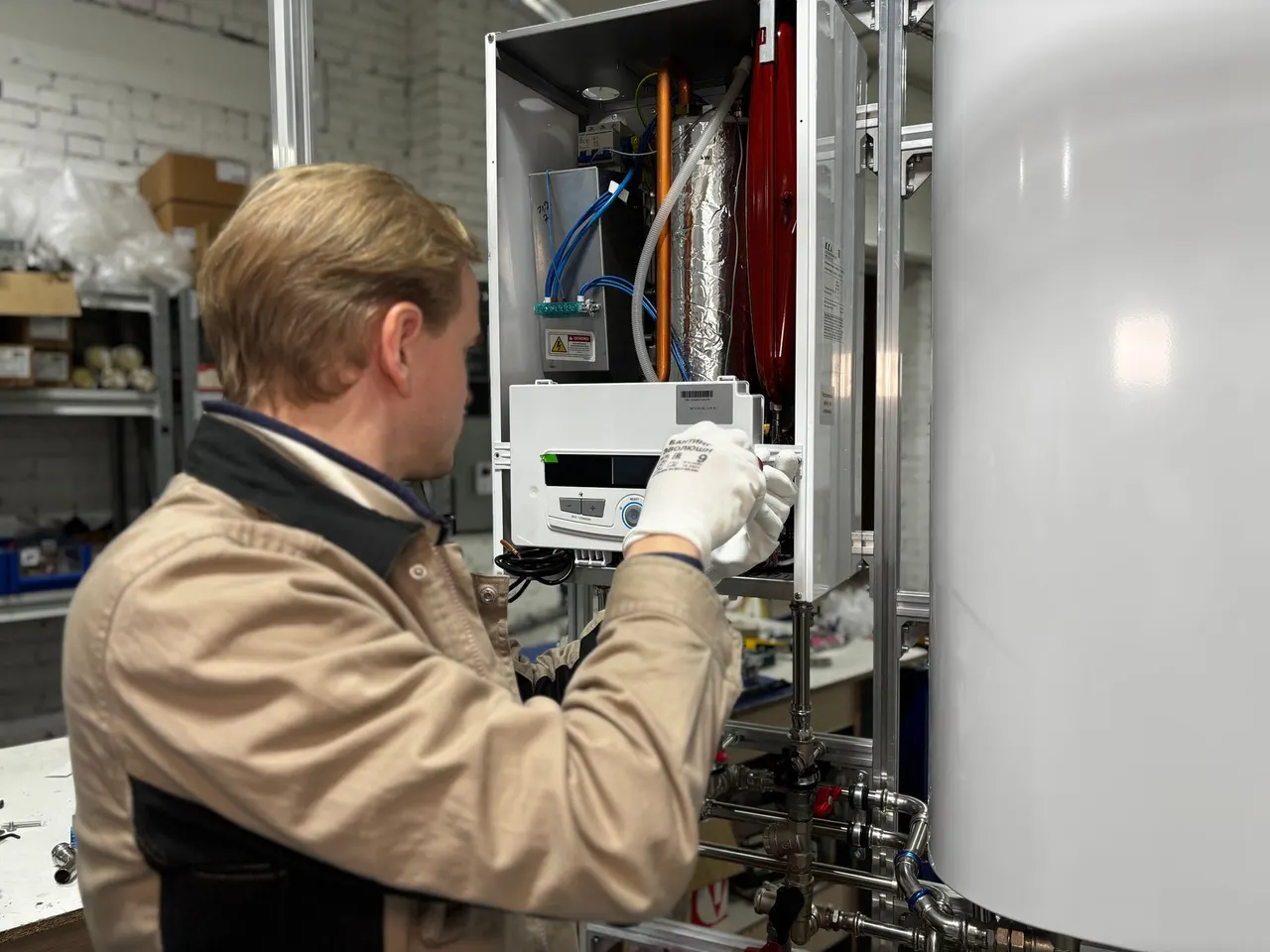
We shut off the main and pressurize the plumbing with a pressure testing kit. If the gauge drops, we know the leak is on the supply side. If it holds, we move to the drain system. This step takes 20 to 30 minutes and separates supply leaks from sewer line leaks.
We walk the house with an acoustic leak detection microphone and a thermal imaging camera. The microphone picks up the hiss of pressurized water escaping a pipe. The camera shows temperature differences where moisture sits under the slab. Together they narrow the leak to a 12-inch area.
Once we have a suspect spot, we confirm it with a moisture meter and, if needed, a video pipe inspection camera. We mark the floor with tape and take photos. You see exactly where the leak is before we talk about repair.

We hand you a written report with the leak location, pipe material, and repair options. If it is a simple spot repair, we can often do it the same day. If it is a slab leak, we explain the reroute or pipe lining choices and schedule the work.

Move across a circle, or focus it and press Enter, for an illustrative thermal view of the photograph.

Amplifies the sound of water escaping a pipe so we can hear leaks through concrete and soil.
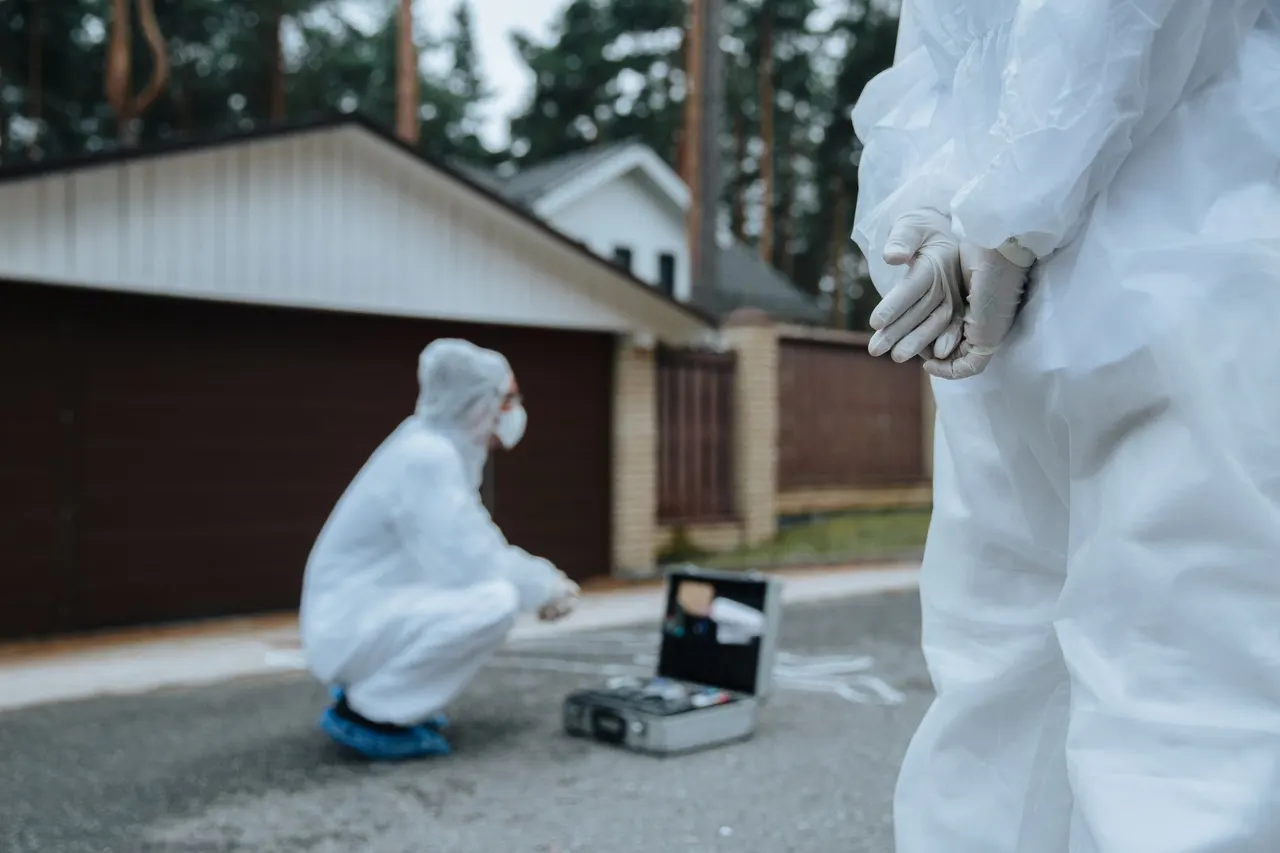
Shows temperature differences caused by moisture under the slab, helping us narrow the search area.
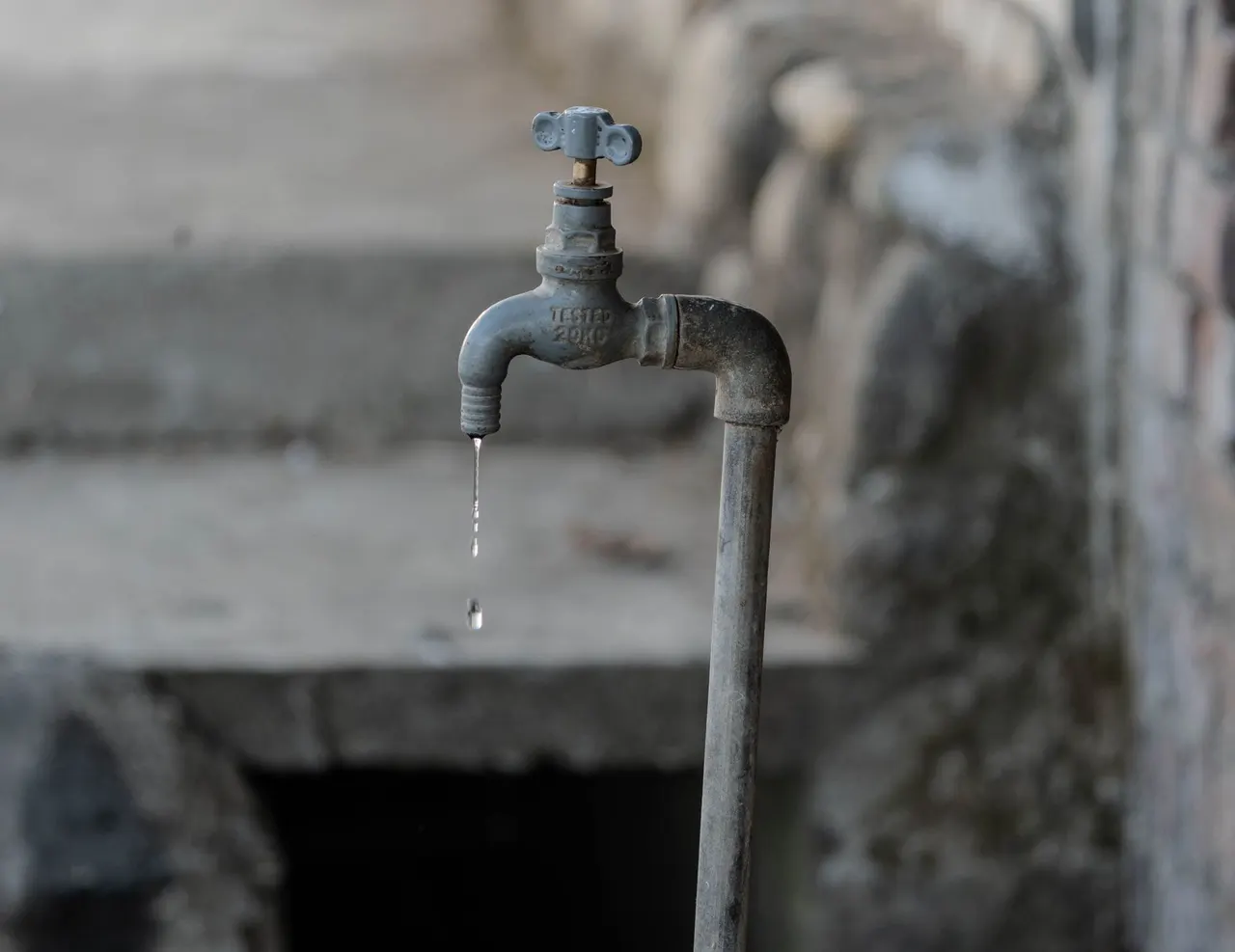
Pressurizes the plumbing system to confirm whether the leak is on the supply side or drain side.
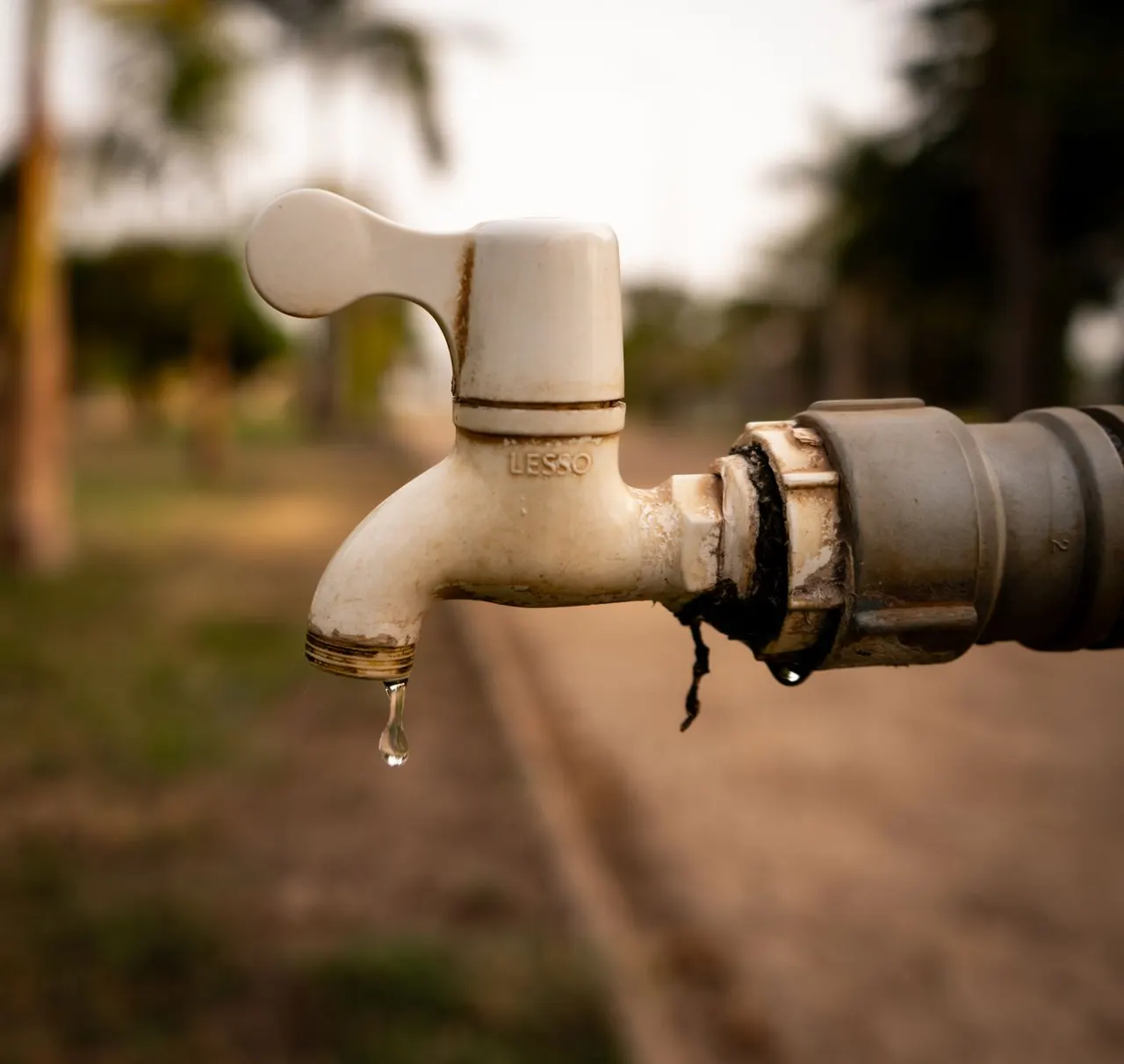
Travels inside drain and sewer lines to find cracks, offsets, and root intrusion.
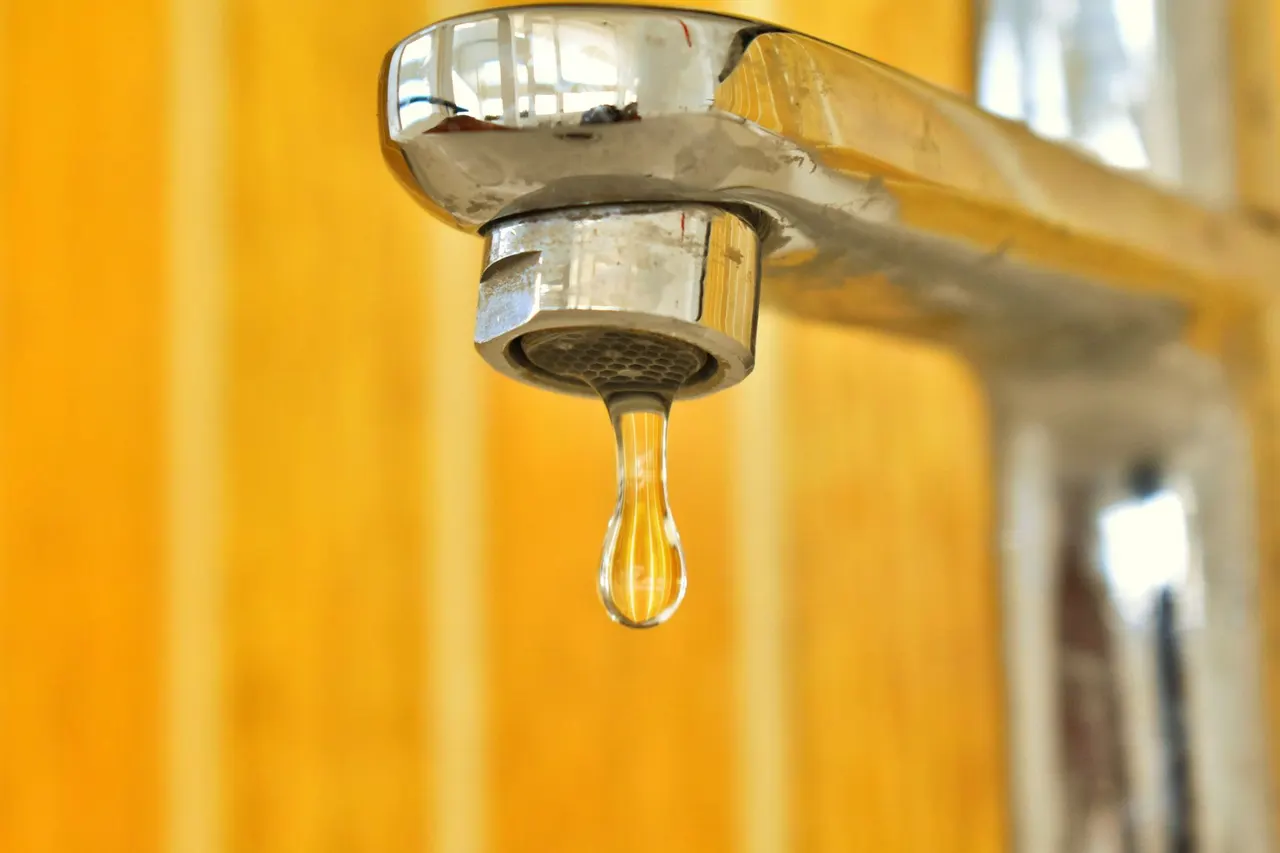
Reads water content in flooring and concrete to confirm thermal camera findings.
Thermal views are illustrative, generated from the photographs.
Injects a safe gas into the line and detects where it escapes, useful for hard-to-hear leaks.
We shut off different sections of plumbing and pressurize them one at a time. This tells us which system is leaking and narrows the search area. It is the first step in every inspection.
We place a microphone on the floor and listen for the hiss of escaping water. The sound gets louder as we get closer to the leak.
We walk the house with an infrared camera that shows temperature differences. Wet areas under the slab are usually cooler or warmer than dry areas. We mark each suspect spot and verify with a moisture meter.
We feed a camera through drain lines to look for cracks, root intrusion, and blockages.
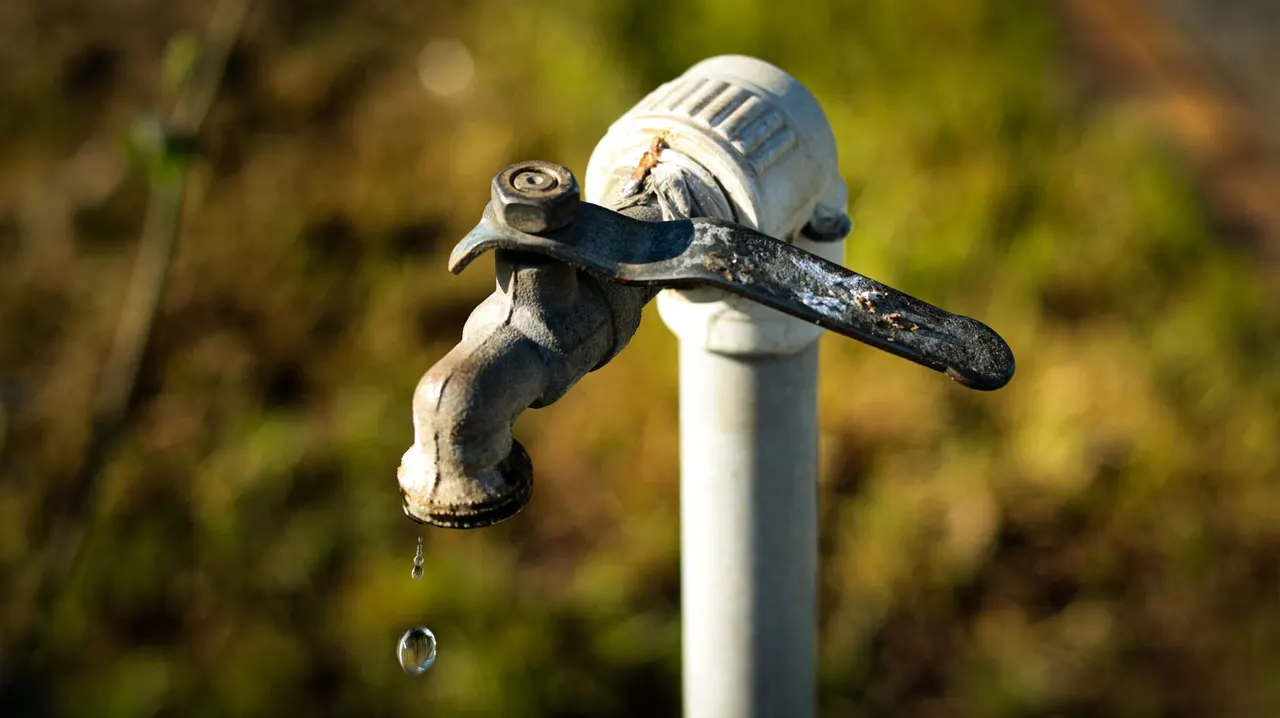
You just got a water bill that is double last month, and you have not changed your habits.
We start with a pressure test to see if the supply system is losing water. If it is, we scan with acoustic and thermal tools to find the leak. Most hidden leaks are found within two hours.
Outcome: You get a confirmed leak location and a repair plan. Fixing it stops the monthly overcharge and prevents further damage.
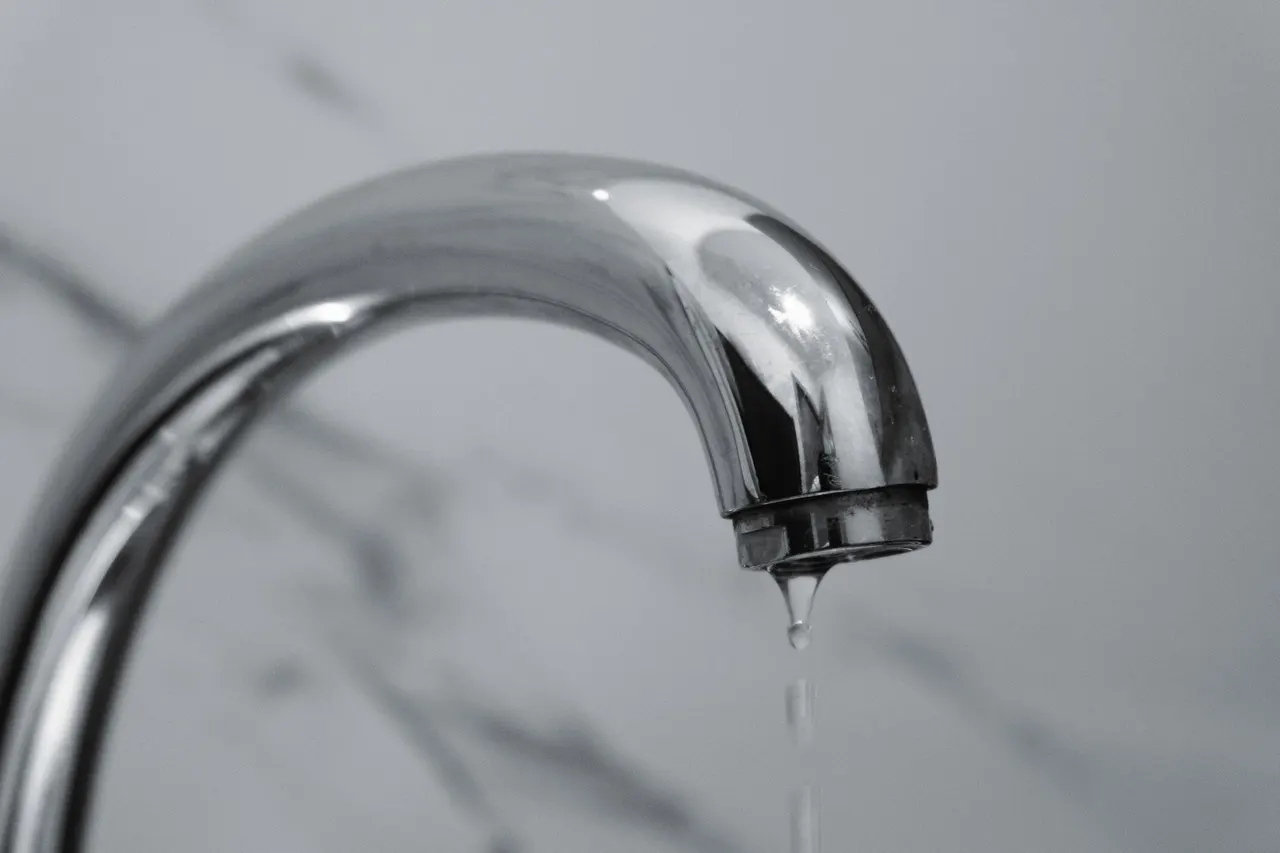
You notice a warm spot on the floor near the bathroom or kitchen.
We use a thermal imaging camera to map the hot water line under the slab. We confirm the leak with a moisture meter and isolate the line. Then we discuss repair options.
Outcome: The leak is repaired, and the warm spot disappears. You avoid the cost of replacing flooring that would have warped.
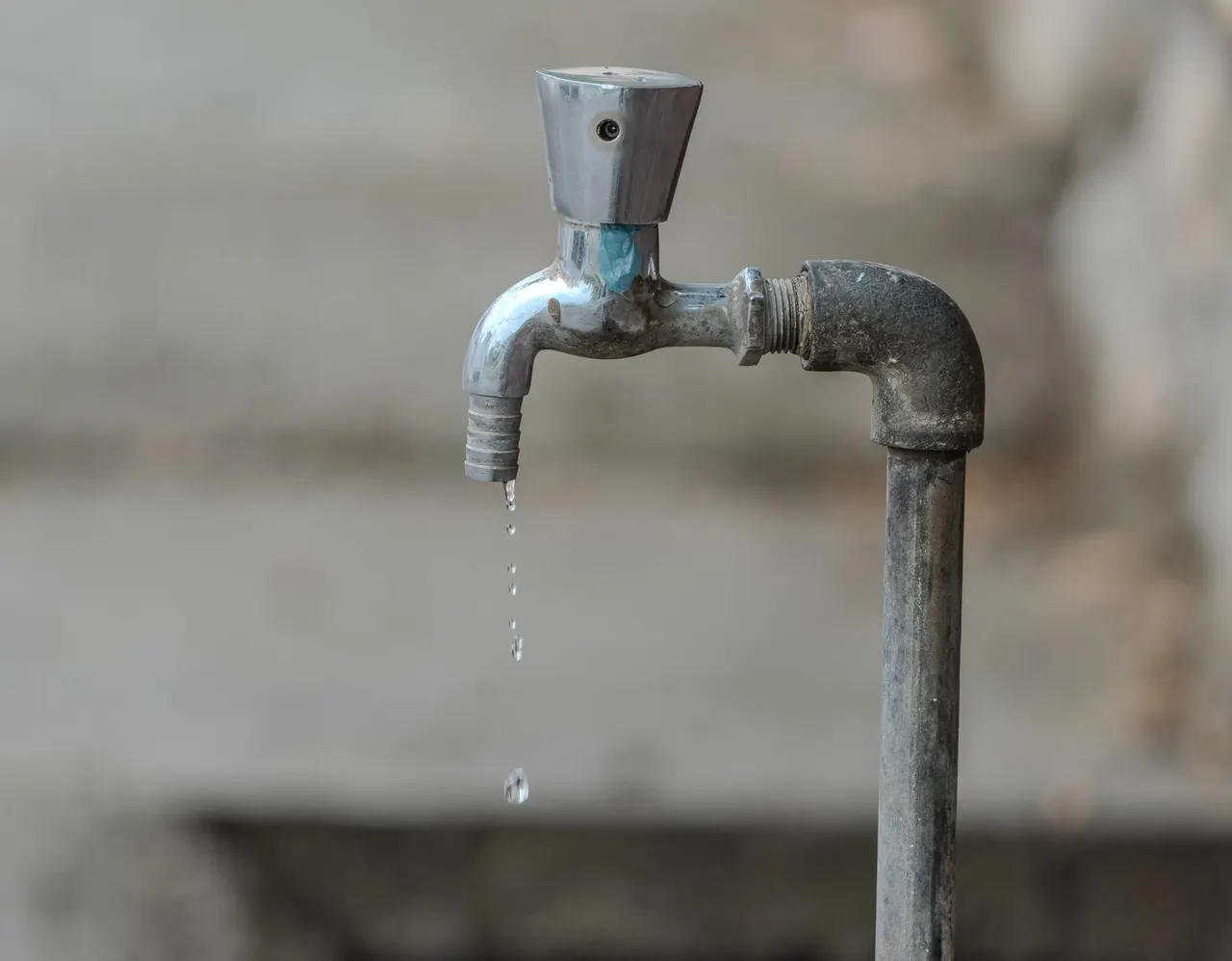
You see new cracks in drywall or tile, and doors are sticking.
We inspect the foundation perimeter and test all under-slab pipes for leaks. If we find a leak, we fix it. If the soil is already moving, we document our findings and refer you to a foundation engineer.
Outcome: You know whether the cracks are caused by a leak or normal settling. If it is a leak, fixing it stops the movement.
You are buying a home in Mission Viejo and the inspection report mentions possible foundation moisture.
We perform a full foundation leak inspection with pressure testing, thermal imaging, and moisture readings. You get a written report you can use in negotiations.
Outcome: You know exactly what you are buying. If there is a leak, you can ask the seller to repair it or adjust the price.
Mission Viejo has a mix of housing stock, from 1970s single-story homes in Casta del Sol to newer builds in Pacific Hills. The older homes often have copper pipes that are now 40 to 50 years old. Copper corrodes from the inside, and pinhole leaks are common. Our clay soil expands when wet and shrinks when dry, which puts stress on underground pipes.
We also see irrigation system leaks that saturate the soil near the foundation. If you are searching for foundation leak repair mission viejo, California, we can help. We know which neighborhoods have already been repiped and which still have original copper. That local knowledge helps us find leaks faster and recommend the right repair.

Before: The floor in the hallway was warm to the touch, and the hardwood was starting to cup. They had not seen any visible water.
After: We pressure-tested the system and found a hot water slab leak. We rerouted the line through the attic, which avoided breaking the slab. The water bill returned to normal the next month, and the flooring dried out without replacement.
We recommend checking under sinks and around the water heater monthly for moisture. If you see a warm spot, call us before the flooring warps.
Before: A property manager in Canyon Crest noticed a soggy patch in the landscaping near the foundation. The soil was always wet, even when the sprinklers were off. The foundation had new cracks in the stucco.
After: We isolated the irrigation system and found a broken sprinkler line 18 inches from the footing. We repaired the line and redirected the spray heads. The soil dried out, and the cracks stopped growing.
We suggest running each irrigation zone for two minutes once a month and watching for soggy spots. Fixing small breaks early prevents foundation damage.
Before: A homeowner in Painted Trails noticed musty smell in the guest bathroom and peeling paint on the baseboard. They feared a slab leak, but the water bill was normal.
After: We tested the shower pan and found a cracked drain line behind the wall. We repaired the drain and treated the mold. The musty smell disappeared, and the baseboard was replaced.
We recommend checking the caulk around shower drains and tubs every six months. Recaulking prevents water from getting behind the wall.
Most foundation leaks start small and get expensive fast. Here are the problems we see most often and how we fix them.
Finding the leak early saves you money and stress.
A pinhole leak in a copper pipe can release 10,000 gallons a month. That water erodes soil under your slab, warps flooring, and feeds mold. We locate the leak in one visit, so you can repair the pipe before the foundation moves. Catching it early usually saves thousands compared to waiting for a crack to appear.
We compare your meter readings against fixture usage and isolate the underground line. Once we find it, you fix one pipe instead of paying that inflated bill every month.
Water under a slab softens the soil and causes differential settlement. That shows up as cracks in drywall, sticking doors, and uneven floors.
We do not just point at the floor and hand you a bill. You get a written report with the leak location, pipe material, and repair options, from spot repair to pipe lining. That report helps you compare contractor quotes and understand exactly what you are paying for.
Clear records you can keep and share.
Leak location and pipe material
Photos of temperature differences
Water content in flooring
Spot repair, reroute, or lining
Not all foundation leaks are the same. The type of leak determines the repair method.
Pressurized water line leaking under slab
Waste line leaking under slab
Sprinkler line leaking near foundation
A list like this tells people straight away whether you cover their street. Not listed? Call and ask: it only takes a minute.
Based in mission viejo and covering the places around it. Pick one for local details.
That fee covers the pressure test, acoustic scan, thermal imaging, and a written report. If you hire us for the repair, we credit the inspection fee toward the work. Emergency calls after hours may carry a higher rate.
You might also see buckling hardwood or a musty smell near the baseboards. If you notice two or more of these, call us for a pressure test before the damage spreads.
We do. Our team handles both detection and repair, so you do not have to coordinate two contractors. We repair copper pipes with solder or pipe repair clamps, reroute lines through the attic when slab access is impractical, and install pipe lining in some cases. Every repair is pressure-tested before we close up.
Yes, in many cases. If the leak is in a supply line, we can often reroute the pipe through the attic or exterior walls, which avoids breaking the slab. For drain leaks, pipe lining can seal the pipe from the inside. We only recommend excavation when the leak is under a small area and the pipe is otherwise in good shape.
Other services from the same team.
If you have a high water bill or a warm spot on the floor, do not wait. We offer same-day appointments and emergency service for active leaks. Our inspection fee is credited toward the repair if you hire us. Call now and we will find the leak before it finds your foundation.
Call us at +1 (555) 123-4567 or email [email protected]. Our office is in Mission Viejo, California, and we serve all of Orange County. If you need leak detection near me mission viejo CA, we're ready to help.