How to Find a Hidden Water Leak Before It Damages Your Walls
Hidden water leaks in Mission Viejo walls rarely announce themselves. Here's how to spot the warning signs early, trace the source, and stop the damage.
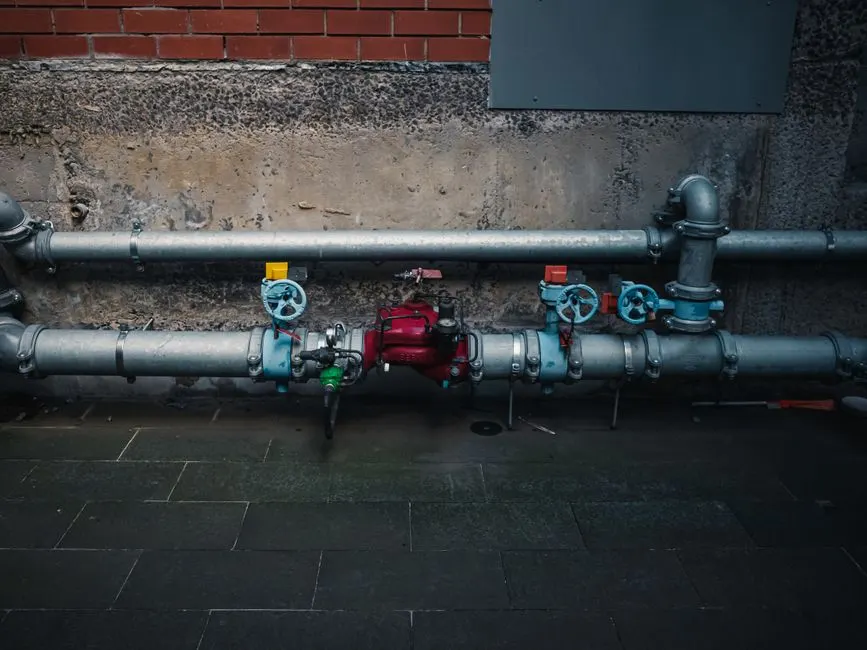
The fastest way to find a hidden water leak in Mission Viejo is to shut off every fixture in the house, watch your water meter for 15 minutes, and look for a dial that keeps moving. If the meter stops, your leak is inside a fixture or appliance. If it keeps spinning, water is escaping somewhere in the walls, under the slab, or in the yard, and you need to trace it before the drywall stains spread.
We handle calls like this every week across Mission Viejo, and the pattern is almost always the same: a homeowner notices a faint musty smell or a soft spot in the baseboard, waits a few weeks to see if it gets worse, and by then the repair has grown from a pinhole to a full wall section. This guide walks you through the signs, the meter test, and how to trace the leak to its source.
Why Hidden Water Leaks Are So Common in Mission Viejo
Mission Viejo's housing stock is the main reason hidden leaks are so common here. Most of the city was built between the late 1960s and the 1990s, which means the copper supply lines and galvanized drain pipes in many homes are now 30 to 55 years old. Copper develops pinhole leaks after decades of exposure to slightly acidic water, and galvanized steel rusts from the inside out until the wall of the pipe is paper-thin.
The soil matters too. Mission Viejo sits on top of clay-heavy ground that expands when it's wet and shrinks when it's dry. That seasonal movement puts stress on any pipe running under the slab or through the foundation, and it's why we see a spike in slab leak calls every fall after the long dry summer. If you live in an older tract home near the lake, the combination of aging copper and shifting soil is the perfect setup for a concealed leak.
Homeowners in leak detection in Lake Mission Viejo deal with this constantly because so many of those properties were built in the 1970s and still have original plumbing behind the walls. The same is true in the leak detection in Casta del Sol community, where the homes are now well past the 40-year mark and the supply lines are reaching the end of their service life.
Warning Signs of a Hidden Water Leak in Your Walls
The signs of a hidden water leak in Mission Viejo homes usually show up in clusters, not one at a time. A single symptom could be condensation or a one-off spill. Two or three together almost always mean water is escaping behind the drywall or under the floor.
Watch for these:
- Musty or earthy smell in a room that has no obvious moisture source, especially in a hallway or closet with no plumbing on the visible wall.
- Paint that bubbles, blisters, or peels in a patch that keeps coming back after you repaint it.
- Soft or discolored drywall near the baseboard, behind a cabinet, or on the ceiling below a bathroom.
- Warm spots on the floor if you have a slab leak on the hot water line. A hot-water slab leak will warm a 2 to 4 foot section of tile.
- Unexplained jump in your water bill of 2,000 gallons or more in a single month with no change in habits.
- Sound of running water when every fixture in the house is off.
- Hairline cracks in the drywall that appear and widen over a few weeks.
One sign on its own is worth watching. Two or more means you should run the meter test today, not next weekend.
How Do I Find a Hidden Water Leak in My Mission Viejo Home?
You can find a hidden water leak in your Mission Viejo home in about 20 minutes using your water meter and a few basic checks. The meter test is the single most useful thing a homeowner can do, because it tells you whether the leak is on the pressurized supply side or the drain side.
Step 1: Shut everything off
Turn off every faucet, the dishwasher, the washing machine, the ice maker, and the irrigation controller. Make sure the water heater isn't filling and no toilet is running. A running toilet can waste 200 gallons a day and will completely throw off the test.
Step 2: Read the meter, wait 15 minutes, read it again
Find your meter box, usually near the sidewalk or in a front planter. Note the reading, wait 15 minutes without using any water, then read it again. If the number moved, you have a leak on the pressurized side. If the meter has a small triangle or dial, watch it: if it's spinning with everything off, water is moving.
Step 3: Isolate the irrigation
Mission Viejo homes typically have a separate shutoff for the irrigation system. Close it and repeat the meter test. If the meter stops, the leak is in your sprinkler lines, not the house. If it keeps moving, the leak is inside the walls, under the slab, or in the main line between the meter and the house.
Step 4: Check the toilets and water heater
Put a few drops of food coloring in each toilet tank and wait 10 minutes without flushing. If color shows up in the bowl, the flapper is leaking. Then look at the water heater: a small puddle under the tank or rust streaks on the fittings means the tank or a connection is failing.
Step 5: Narrow down the location
If the meter still moves after all of that, the leak is concealed. This is where professional hidden water leak detection mission viejo CA pays for itself, because we use acoustic listening equipment, thermal imaging, and pressure testing to pinpoint the leak within a few inches instead of opening up three walls hoping to find it.
Tracing a Hidden Leak Under the Floor
A leak under the floor is the hardest kind to find on your own because there's nothing visible to inspect. If your meter keeps moving with the irrigation off and no fixture is leaking, the odds are good that you have a slab leak or a leak in the main line running under the foundation.
Here's how to narrow it down:
- Feel the floor. Walk the house barefoot. A warm patch on tile points to a hot-water slab leak. A cool or damp patch points to a cold-water line.
- Listen at the baseboards. Put your ear close to the floor near each wall. A faint hiss or trickle is a strong indicator.
- Check the water heater. Turn off the valve on the cold inlet to the water heater and repeat the meter test. If the meter stops, the leak is on the hot side.
- Look for cracks in the slab or tile. A new crack that runs in a straight line often follows the path of a leaking pipe.
If you've narrowed it to the slab, stop digging. Breaking up a slab to chase a leak is expensive, messy, and usually unnecessary. Our team handles slab leak detection mission viejo CA with electronic equipment that locates the leak before anyone touches a tile, and we can often reroute the line instead of jackhammering the floor.
Common Mistakes That Make Wall Damage Worse
The most expensive hidden leak repairs we see are the ones where the homeowner did the wrong thing first. Here's what to avoid.
- Painting over a water stain. Stain-blocking primer hides the evidence but not the water. The leak keeps running and the drywall keeps deteriorating behind the fresh paint.
- Ignoring a small bill increase. A 2,000-gallon jump is roughly $15 to $40 on a Mission Viejo water bill depending on your tier. That's cheap compared to the $1,200 to $3,500 a wall and floor repair can cost once the leak has been running for a month.
- Cutting into drywall to look for the leak. You'll end up with three or four holes and still no answer. Acoustic and thermal tools find the leak in one pass.
- Assuming it's the roof. A ceiling stain on the second floor is almost always a supply line or a drain in the wall above, not a roof leak, unless it appears right after heavy rain.
- Waiting for the leak to "get worse" so it's easier to find. Leaks don't get easier to find. They get more expensive. Mold can start growing on wet drywall within 24 to 48 hours.
If you've already spotted a stain or a soft spot, the smart move is to shut off the main and call us. We offer water leak detection mission viejo CA with same-day appointments in most cases, and we can usually tell you what's leaking within the first hour.
When to Call a Professional
Call a professional the moment the meter test confirms a leak you can't see. That's the line. If the meter moves with everything off and the irrigation isolated, you're no longer dealing with a DIY fix, and every day you wait adds damage.
We're Leak Detection Experts Mission Viejo, and we've been finding concealed leaks in this city for years. Our process is simple: we locate the leak with acoustic and thermal equipment, tell you exactly where it is and what it will cost to fix, and then we fix it. No guesswork, no opening walls to look around, no surprise charges after the fact.
We handle everything from a pinhole copper leak behind a bathroom wall to a full water main leak detection mission viejo CA on the line between the meter and the house. If you're not sure whether it's the main or a branch line, we'll figure it out on the first visit.
Frequently Asked Questions
How do I find a hidden water leak in my Mission Viejo home?
Shut off every fixture, read your water meter, wait 15 minutes, and read it again. If the meter moved, you have a pressurized leak. Isolate the irrigation and repeat. If the meter still moves, the leak is in the walls, slab, or main line, and you need professional detection equipment to pinpoint it.
What are signs of a hidden water leak in Mission Viejo CA?
The most reliable signs are a musty smell in a room with no plumbing, paint that bubbles or peels in the same spot repeatedly, soft drywall near baseboards, warm spots on tile floors, and a water bill that jumps 2,000 gallons or more in a month. Two or more together almost always mean a concealed leak.
Can hidden water leaks cause wall damage in Mission Viejo, California?
Yes, and it happens fast. Drywall absorbs water and loses structural strength within days, and mold can start growing in 24 to 48 hours. A leak that runs for a month typically causes $1,200 to $3,500 in wall, baseboard, and floor repair in this area, not counting the leak repair itself.
How much does hidden leak detection cost in Mission Viejo?
Typical 2026 pricing for professional hidden leak detection in Mission Viejo runs $250 to $600 depending on how complex the trace is. Slab and underground main leaks sit at the higher end because they require acoustic and pressure testing. Most homeowners get the leak located and repaired in a single visit.
Who finds hidden water leaks near Mission Viejo?
Leak Detection Experts Mission Viejo handles concealed leak detection across the city, including Lake Mission Viejo, Casta del Sol, Canyon Crest, and the surrounding neighborhoods. We use acoustic listening, thermal imaging, and pressure testing to locate the leak before any wall or floor is opened.
Get Help With Leak Detection in Mission Viejo
If your meter is moving and you can't see where the water is going, don't wait for the stain to spread. Call Leak Detection Experts Mission Viejo at +15551234567 and we'll find the leak, fix it, and confirm the line holds pressure before we leave.